Putting a Thousand Years of Chinese Poetry into Today’s Headphones
This is not an attempt to place old words behind new production. It is a search for the moment when lotus leaves, green hills, east-flowing water and the lives of Red Chamber characters become present-tense feeling again.
Before They Became Classics, These Were Human Voices
I have never wanted classical Chinese poetry to survive only as an exhibit. We print it in textbooks, explain it, memorize it and examine students on it. In that process, a famous poem can become a piece of knowledge one is expected to possess rather than a voice one is allowed to need. Yet before these words were assigned dynasties and footnotes, they began in lived moments: someone watched a river, someone heard rain at night, someone had been away from home too long, and someone knew that love could not be kept but could not yet be released.
A thousand years have not made those conditions remote. People still wake in unfamiliar cities, watch relationships end, travel farther than they intended and search for a sentence that can hold what ordinary speech cannot finish. Poetry crosses time because later readers can still breathe through it. The task of music is not to decorate that survival. It is to make the breath audible again—to let an old line become present tense inside one listener’s body.
Song Lyrics Were Once Bound to Singing
The English phrase ‘Song lyrics’ contains an ambiguity worth clearing up. Here, Song refers to the Chinese dynasty, while ci refers to a lyric form written to tune patterns. Its lines expand and contract; pauses arrive in irregular places; a feeling may tighten inside several short phrases and then open into a longer sweep. Most of the original music is now distant from us, but the words retain traces of having lived with melody. Read slowly and the poem stops looking like a block of print. It becomes a breathing line.
Writing this poetry into contemporary headphones is therefore not a collision between two unrelated things. It is a new search for sound by words that once travelled with sound. We cannot honestly claim to reconstruct a lost performance. We can, however, make a responsible contemporary reply: acknowledge the distance, preserve the source, and let today’s melody answer a sentence left by someone long ago. That distinction matters. A new song is an interpretation, not an archaeological certificate.
I Am Not Trying to Re-create ‘Ancient China’
Classical material is easily surrounded by a ready-made visual and musical package: zither, flute, mist, pavilion, aged paper and an antique-looking typeface. None of those elements is forbidden. The problem begins when they replace attention. A production can display every recognizable sign of ‘Chinese style’ while never meeting the person inside the poem. The listener identifies an atmosphere and leaves without having felt the hesitation, loneliness or force that made the words necessary.
I care more about another kind of accuracy. Does a farewell genuinely hesitate? Does a lotus leaf carry the brightness of rain just ended? Do the hills and the river move the emotional argument, or are they only scenery? Classical feeling is not a filter that makes the present look old. It is proportion in language, intensity with a skeleton, and silence that is allowed to count as part of the music.
First, Let One Lotus Leaf Rise Again
The title of ‘风荷举’—which I render for visitors as ‘Lotus in the Wind’—comes from an extraordinarily alive image by the Song-dynasty poet Zhou Bangyan. The early sun dries the night’s rain from the leaves; the water is clear and round; one by one, the wind lifts the lotus. This is not a still painting of a flower. Light, water, air and plant all move together. A single verb, ‘to rise’ or ‘to lift,’ turns observation into awakening.
At Weiyang Sound, that image enters a complete three-minute-forty-four-second slow song. I did not want to pack every classical noun into the lyric. I wanted to keep the emotional weather: rain newly passed, round water, a wind beginning, and the inward pull of dreaming of home. A listener today need not study Zhou Bangyan’s biography before the wind can reach them. If the music then makes that listener look for the original line, the bridge has begun to carry weight.
Hills, Water and a Direction That Cannot Be Stopped
‘The green hills cannot block it; after all, the river flows east.’ Xin Qiji’s line is not a landscape postcard. Between the hills and the river there is obstruction, but there is also direction. A person may be obscured by history. A hope may not arrive when it should. Yet the water continues. Classical imagery holds power because nature, history and private circumstance can occupy the same few words without cancelling one another.
The complete on-site song ‘遮不住的青山隐隐’—‘The Green Hills Remain’ in the international listening room—runs three minutes and forty-five seconds. It carries that sense of terrain into lyrical pop without requiring the listener to put on a costume before entering. Someone moving through a difficult season may hear the eastward river as persistence. Someone who knows the source will hear historical pressure behind the melody. The same hills grow differently in each listener.
To Become a Song, the Words Need a Body
Classical Chinese is radically compressed. One character may carry image, action, allusion and tone at once. A popular song must also pass through an actual mouth. Where can the singer breathe? Which syllable can bear a long note? Does repetition reveal more meaning or thin the line out? When the chorus returns, can it return with greater emotional knowledge? These are not secondary production questions. They are how written language acquires a body in music.
Some famous lines should remain untouched. Some images need contemporary sentences around them. Some historical explanation belongs in an essay or music film rather than inside the lyric. The hardest part of adaptation is not learning to sound ‘ancient.’ It is knowing what must not move and what must move if the poem is to sing. Respect does not mean placing a work on an altar. It means being able to account for every change.
AI Has Countless Players, but It Does Not Have My Cultural Memory
Suno can feel like a studio with an inexhaustible body of players waiting outside the door. Tempo, instrumentation, vocal colour, emotional temperature and form can become audible proposals with startling speed. This gives classical writing an unprecedented field of experiment. But the system does not know which character carries exceptional weight in a Chinese reader’s memory. It does not know when ‘beautiful sorrow’ has crossed the line into cheap sentiment.
The human work has therefore not disappeared. I have to hear when arrangement is covering the words, when production has pushed a restrained lyric too hard, and when a singer sounds beautiful without becoming a person. I also have to reject versions that are technically convincing but spiritually vacant. AI offers possibility. Literary experience, listening memory and moral judgment decide which possibility deserves to remain.
A Classical Text Still Needs to Find Its Singer
Weiyang Sound’s twelve virtual singers are not interchangeable presets. Dai Amei currently carries much of the catalogue’s Tang–Song and waterside material; ‘Lotus in the Wind’ is heard in full through that clear, folk-inflected vocal route. Lingwan’s detail can draw out classical female feeling stitch by stitch. Lin Juyi’s deeper, more angular presence can hold dramatic texts such as The Injustice to Dou E and Farewell at the Long Pavilion without smoothing away their resistance.
These names describe creative voices and continuing characters. They do not replace the living traditions of any actual region or community. Choosing a singer for a poem is not a search for the most conventionally ‘ancient’ timbre. It is a decision about who can carry the text’s character. When the voice is right, the listener feels that a person is speaking. When it is wrong, even an elegant arrangement becomes background for recitation.
Dream of the Red Chamber Is a Society of Fates, Not a Label
The Dream of the Red Chamber experiments taught me to begin with character. ‘Unquiet Regret,’ ‘Song of Qingwen,’ ‘Vain Longing’ and ‘The Flower-Burial Song’ are not four attractive titles from a famous book. Qingwen’s brightness, injustice and refusal to bow require a different voice from Daiyu’s recognition of her own fate in the falling flowers. The love of Baoyu and Daiyu, forever caught between reflection and reality, needs its own distance, tempo and visual world.
The current archive preserves seven complete Red Chamber music-film stories. A complete story, however, is not evidence that its audio or music video has been publicly verified. The site keeps the literary origin and visual intention intact while withholding a play button when no work-level media has been confirmed. The long-running Chinese and English Red Chamber experiment is not a plan to imitate the melodies people already remember. It is a search for another version that can be credible, singable and passed on.
‘100 Chinese Classical Poems’ Is a Horizon, Not a Completion Claim
‘100 Chinese Classical Poems’ is a long-term Weiyang Sound series. The number expresses horizon and discipline: Tang poems, Song lyrics, Yuan songs and other classical works should not appear as one or two lucky ornaments in a modern catalogue. The project asks how different poets, voices, emotions and musical containers can be explored over time. It does not mean one hundred finished songs already exist, and drafts, duplicate versions and unverified media must not be counted merely to make the project look large.
What matters is building an editorial method that can keep growing. Each work should identify its literary source; distinguish original text, adaptation and translation; name its virtual singer; and preserve the real version address. A complete master earns a player. Reliable moving-image evidence earns the name ‘music video.’ The series may expand slowly. Its identity and evidence cannot be allowed to blur in pursuit of a headline number.
Crossing Languages Without Sanding China Smooth
An international audience needs more than an English title, but it does not need every Chinese image replaced by its nearest Western equivalent. Names, tune patterns, Red Chamber characters and historical emotions come from somewhere. Explanation should not eliminate unfamiliarity; it should give unfamiliarity a doorway. Melody may arrive first. Subtitles, essays and moving images can then help a listener understand what has arrived.
That is why this essay has a full English edition rather than a one-paragraph export label. The writing adds steps for readers who may know neither Song-dynasty ci nor Dream of the Red Chamber while keeping the Chinese names and cultural coordinates behind the lotus, the green hills and the east-flowing water. A good bridge does not require both shores to become the same landscape. It allows people to meet in the middle while keeping their names.
A Music Film Turns Poetic Space into Time We Can Watch
Melody turns written language into time; a music film turns that time into a space we can look at. Classical material especially needs restraint. Every line does not require a literal object on screen. Falling flowers, moons and costumed figures do not need to prove every few seconds that the work is ‘Chinese.’ The duration of a shot, the moment a character looks back and the timing of a subtitle can change the afterlife of the line.
A vertical frame can become a narrow, high window that brings the viewer close to a face, a lotus leaf or a line of water. A complete master protects the song’s own breath. Short clips may invite people through the door, but the second act of composition has to begin with the full emotional arc. Otherwise poetry is cut into a collection of attractive moments and loses the reason it left us unsettled.
If Ancient Poetry Is Alive Today, Let the Song Finish
An early version of the website made a very concrete mistake: the player contained only forty-five seconds. Just as a listener entered the melody, the song stopped. For a slow song built through accumulation, return and ending, this was more than a short file. It mistook the entrance for the work. Words that have taken a thousand years to reach us should not be hurried offstage at the moment they begin to breathe.
The rule is now plain. An on-site player carries only a verified complete MP3 or music video. Without a complete file, the page honestly leads to the real Suno work or remains a story record. Both ‘Lotus in the Wind’ and ‘The Green Hills Remain’ can be heard here from the first sound to the final tone. Completeness is not merely a technical specification. It respects the work’s time and the listener’s attention.
When an Old Poem Becomes a Song Someone Repeats at Night
I do not want Weiyang Sound to become a row of things labelled ‘AI ancient-style songs.’ I want it to become a living sound archive one can enter from the present and follow toward classical China—or enter from Chinese memory and follow outward into the world. One visitor may reach Zhou Bangyan through ‘Lotus in the Wind.’ Another may first be moved by hills and water. Someone may return to Dream of the Red Chamber because of Qingwen or Daiyu. Someone who understands no Chinese may still recognize hesitation, farewell or refusal to surrender inside a melody.
When an old poem stops being knowledge one ‘ought to know’ and becomes a song someone chooses to repeat while driving, travelling or failing to sleep, it has re-entered life. AI is the instrument. The website is a door. Translation and moving image are bridges. What actually crosses from a thousand years ago is still human feeling. As long as that feeling can reach one more person, Song-dynasty poetry has not left our time.
Songs in this piece (32)
One after another, back to the top at the end — until you stop it. Tap any song to carry on from there.
- 1Magpie Bridge Air · LingwanMoon, old lattice, embroidery thread, water sleeves and one bridge draw Qixi from grand le
- 2
 Incense from the Jade Burner · LingwanRed wax weeps before a rain-dark window and the night seems to have no end. Wen Tingyun tu
- 3
 Gold Flickers over Painted Hills · LingwanMirror, flowered face, silk jacket and golden partridges are not static palace décor. Dela
- 4
 Donghuang Taiyi · Dai AmeiAn auspicious day, sounding jade, fragrant plants, cassia wine and drums turn a welcoming MV
- 5
 Hebo · Dai AmeiA lotus canopy, paired dragons, Kunlun and a purple-shell palace turn companionship into a
- 6
 Lord of the East · Dawn over FusangFusang first brightens above a sea of cloud; only then does Dong Jun arrive through dragon
- 7
 Great Master of Fate · Dark Clouds at Heaven's GateHeaven's Gate is not scenery but a threshold for questions of long life, early death,
- 8
 Xiang Jun · Long Waters, Light Cassia BoatA cassia boat waits between the Yuan and Xiang rivers, but the clear female voice does not
- 9
 Yunzhong Jun · Dai AmeiOrchid-scented bathing, radiant robes, sun, moon and a dragon carriage rise toward clouds
- 10
 Shao Siming · Autumn Orchids Grow GreenAutumn orchids, purple stems, a cloud banner and returning wind arrive and vanish after a
- 11
 Xiang Furen · Dongting Waves, Falling LeavesAutumn wind raises Dongting waves and leaves fall across the water, but waiting receives n
- 12
 Baidi Light Boat · Dai AmeiA dawn departure beneath coloured clouds compresses a thousand-li journey into one day; thMV
- 13
 Sun and Rain in a Bamboo-Branch SongRiver water, willow, eastern sun and western rain turn weather into an emotional pun. ThisMV
- 14
 Moon over Mount EmeiAn autumn half-moon enters the Pingqiang River from Emei, then travels through Qingxi, the
- 15
 Hengtang RoadNo light step crosses Hengtang; only a gaze, a moon bridge, dusk over the fragrant bank an
- 16
 One Moon over Chang’anUnder the Chang’an moon, households beat cloth while autumn wind carries longing toward th
- 17
 Lotus in the WindAfter the rain, the lotus does not remain still. One verb—lift—sets early sun, water, roun
- 18
 Spring River under the MoonSpring tide meets the sea as the moon rises with it; flower woods resemble sleet and white
- 19
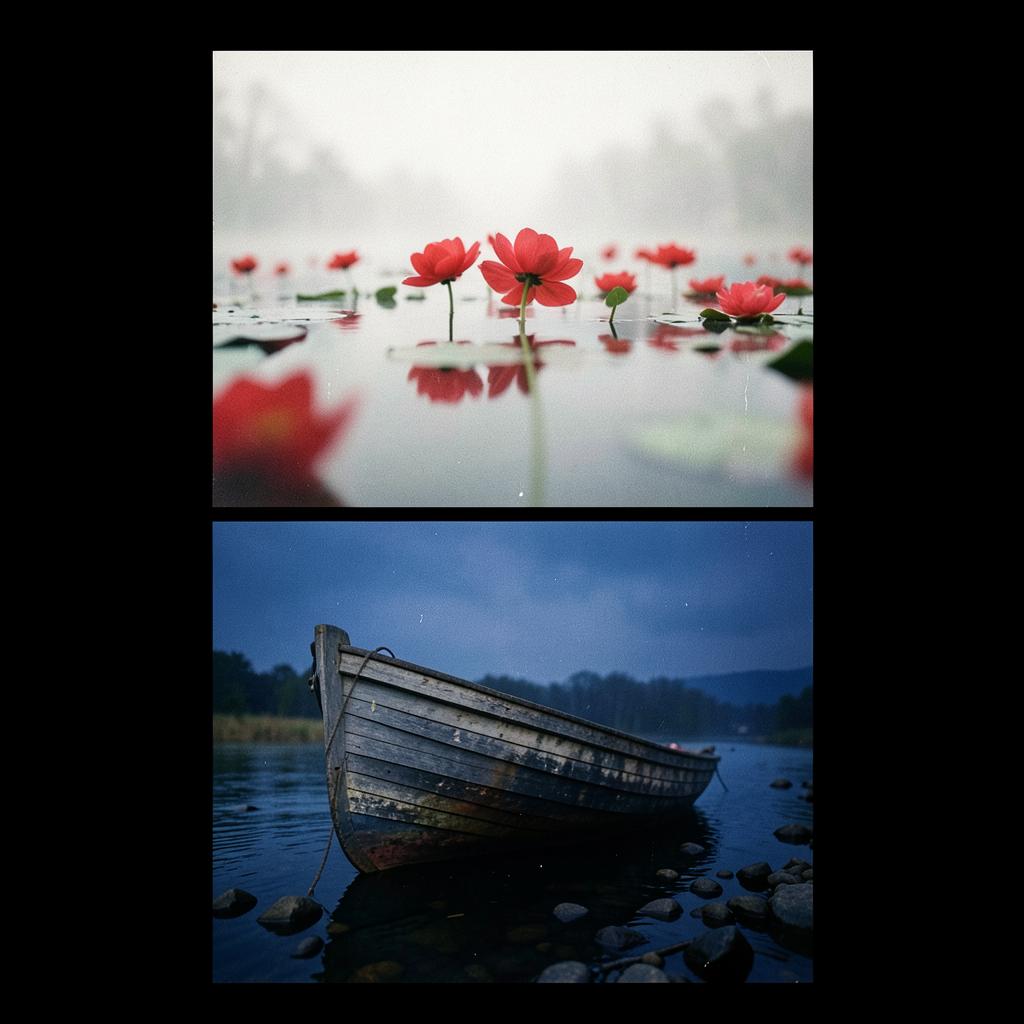 Could Jiangnan Ever Be Forgotten? · Dai AmeiRiver flowers redder than fire and spring water green as indigo move memory toward Hangzho
- 20
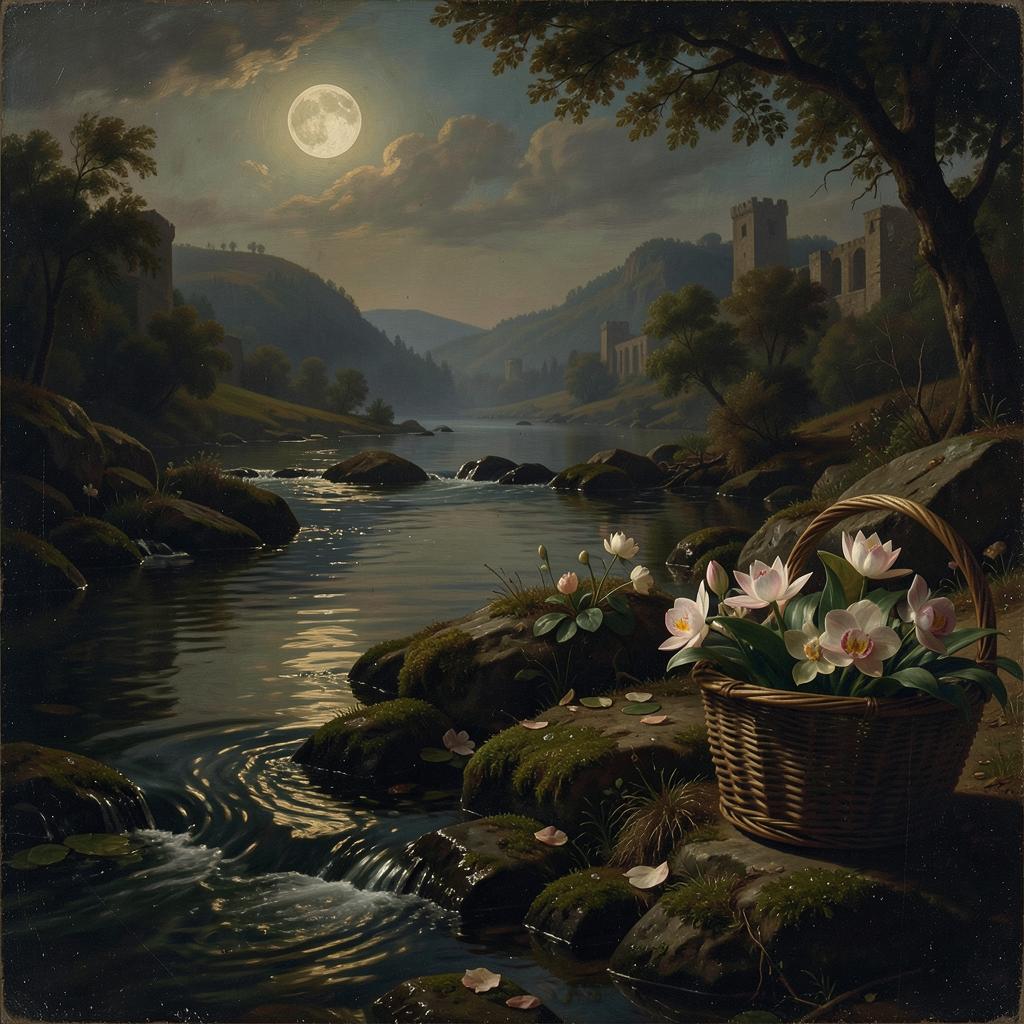 Crossing the River for LotusSomeone crosses the water for lotus, intending the flower for a distant beloved, then look
- 21
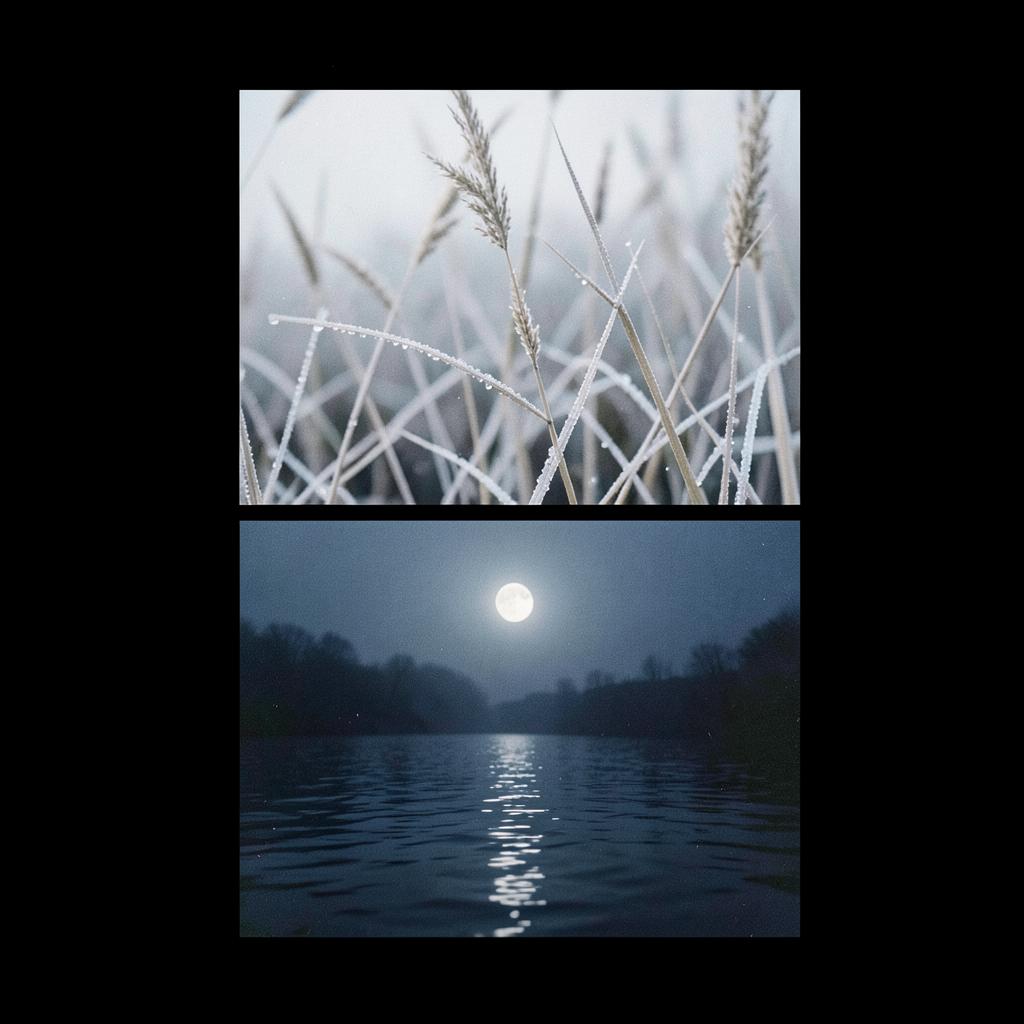 Across the Water · JianjiaWhite dew gathers on the reeds while the distant figure remains across the water. Across t
- 22
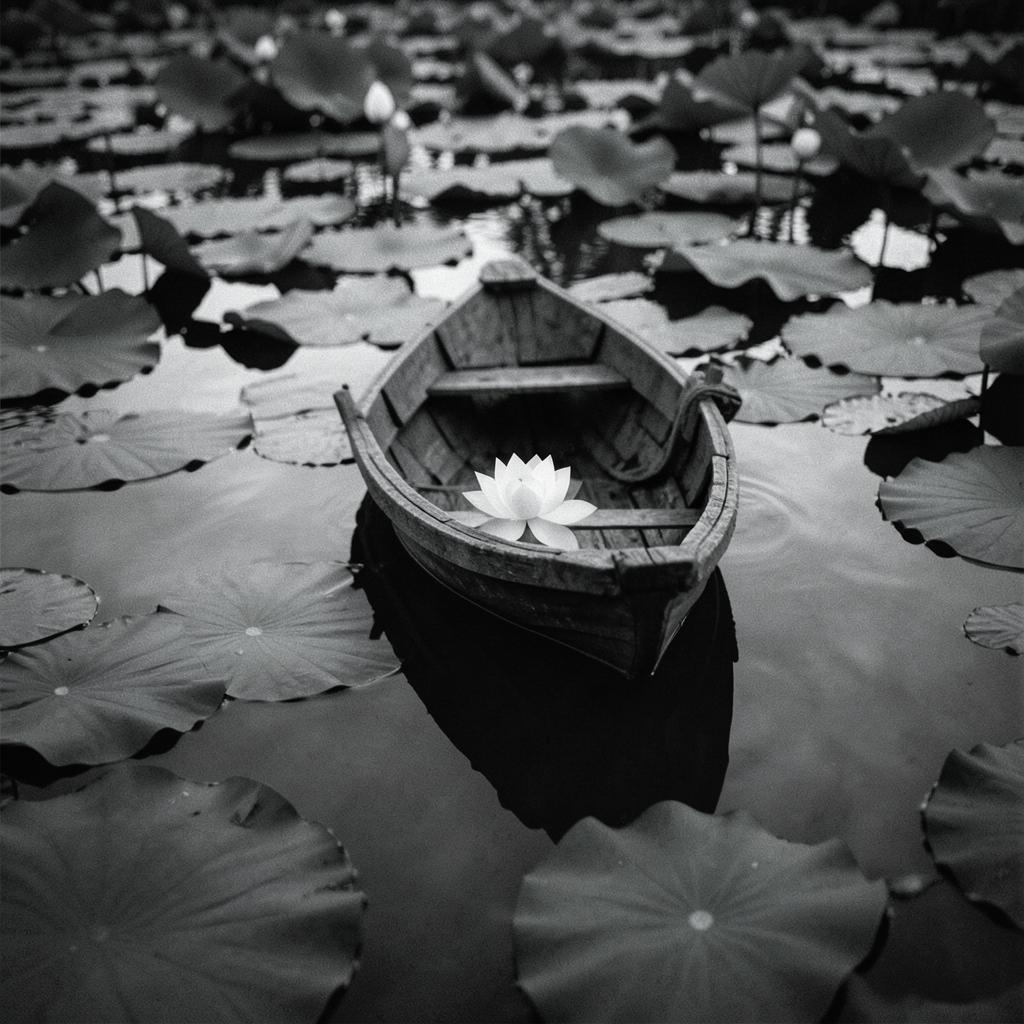 Lotus Songs at Southern PondA small boat rests among a pond of lotus leaves as two Tang poems with the same title meet
- 23
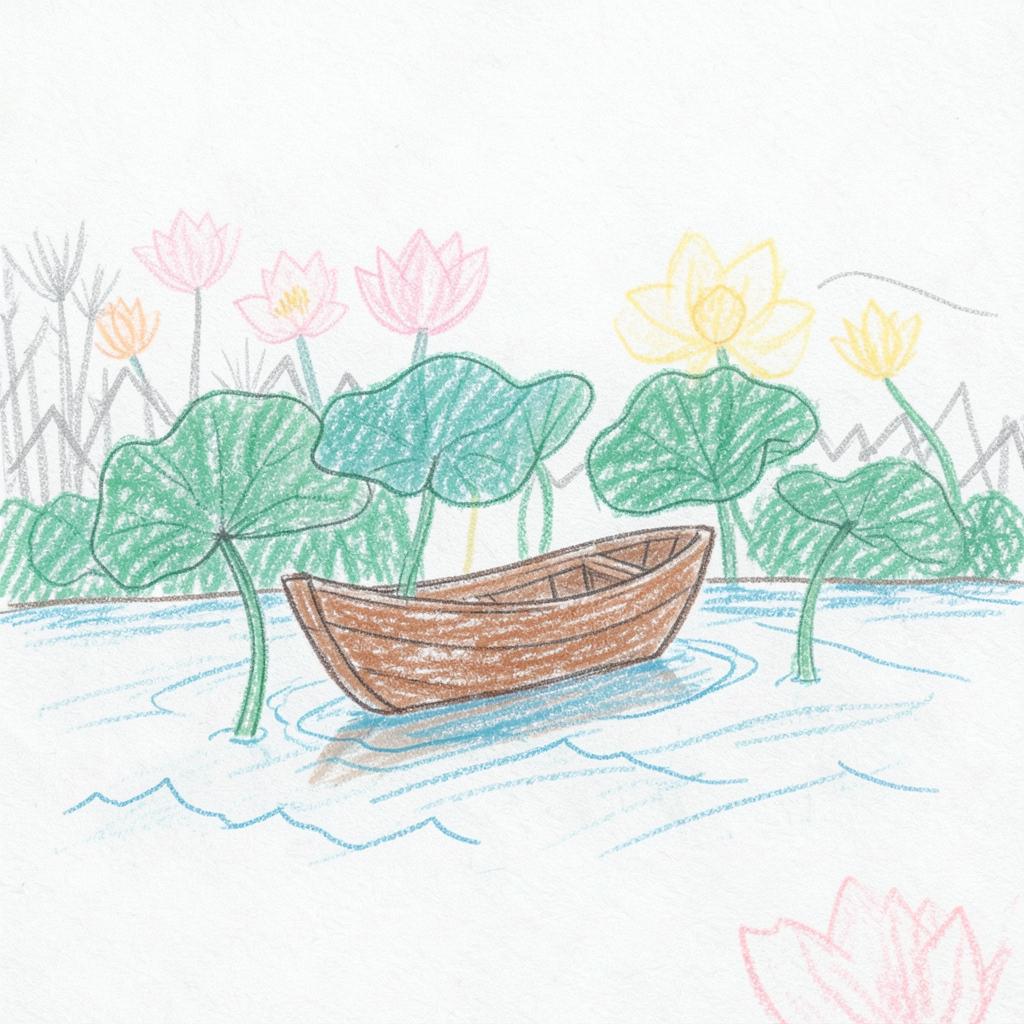 Lotus Picking at Southern Pond in Autumn‘Lotus picking at Southern Pond in autumn’ enters a small boat from Southern Dynasties yue
- 24
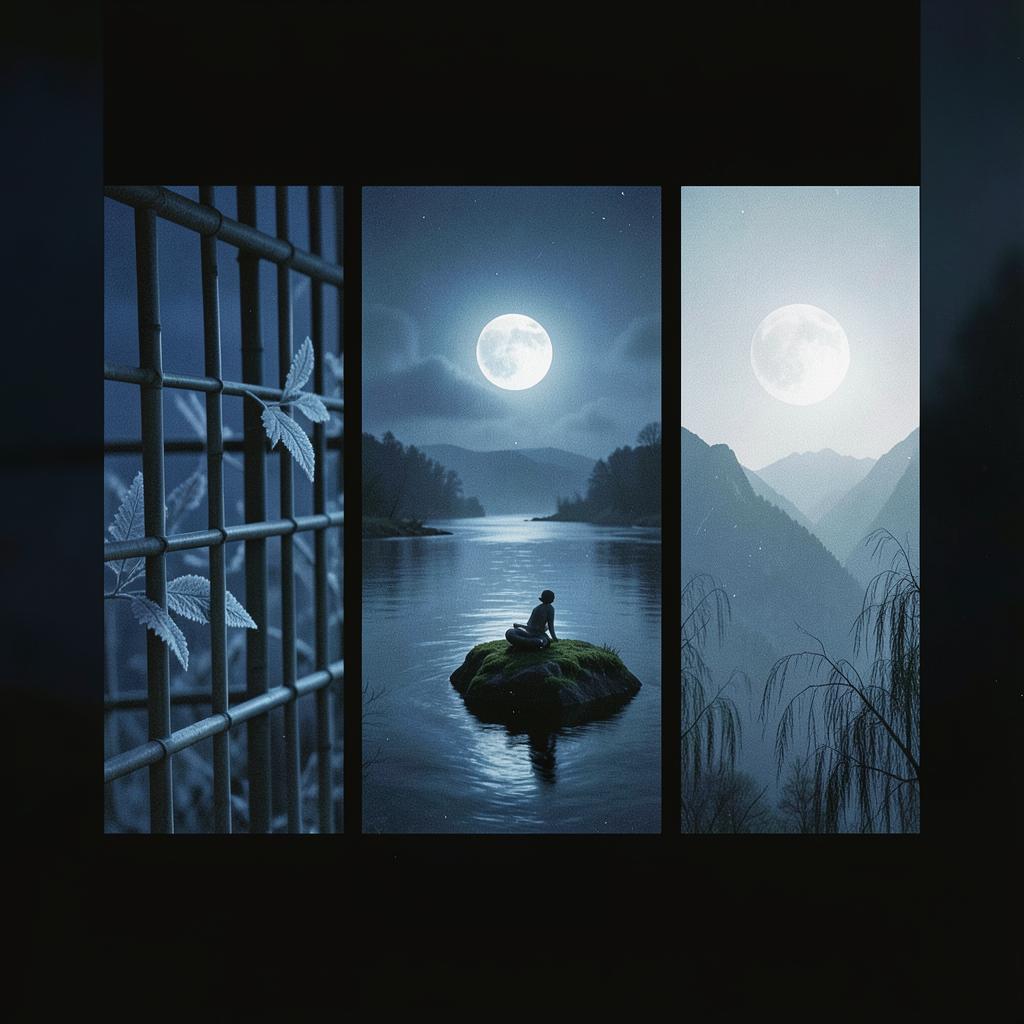 Frontier MoonOne moon shines on both frontier passes and a bamboo house. Beginning with one exact Wang
- 25
 Mountain Spirit · A Spirit Dwells in the MountainPine-like branches, mountain rain, hidden bamboo and an absent traveller keep Mountain Spi
- 26
 Old Moon over Liangzhou · MaryYellow River, lone city, Jade Gate and the ancient moon enter Celtic fiddle and low whistl
- 27
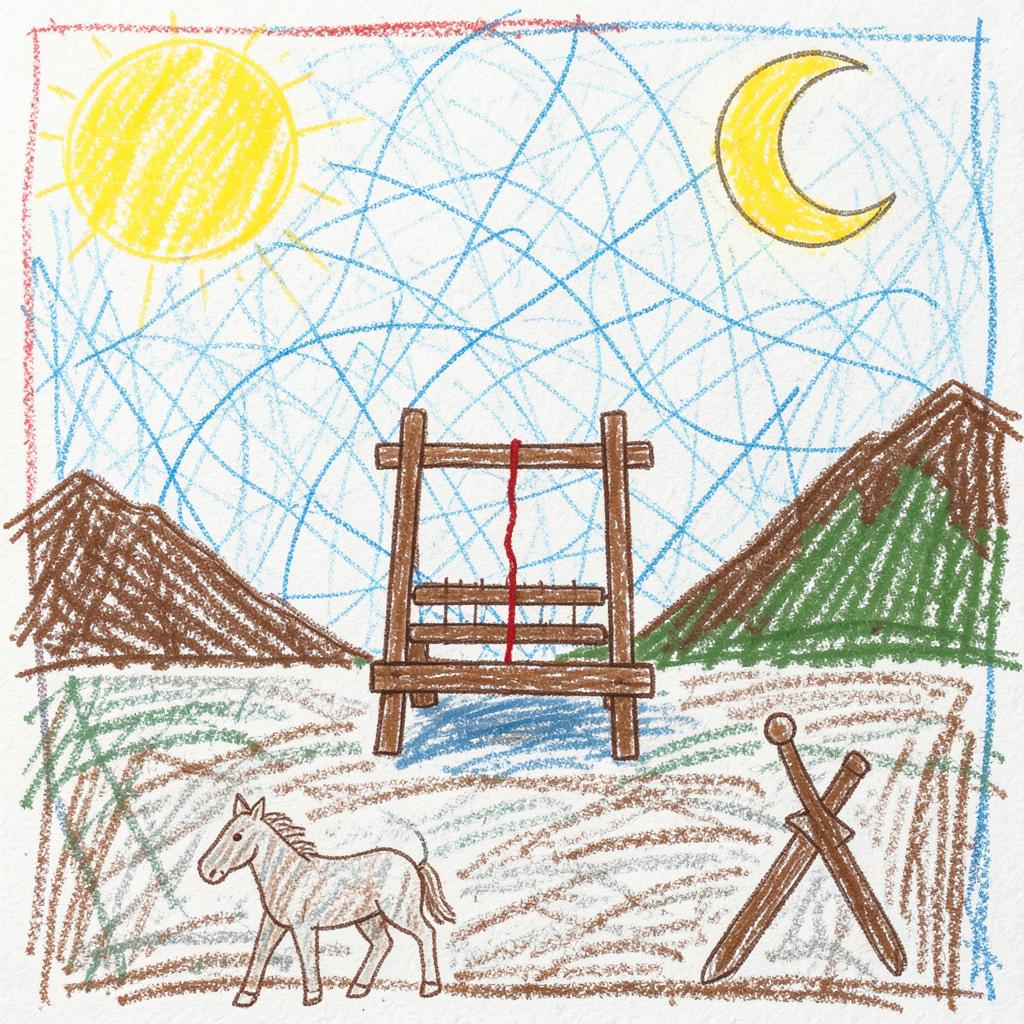 The Ballad of Mulan · Bollywood MaleFrom loom and conscription scroll to the Yellow River and a return after ten years, Bollyw
- 28
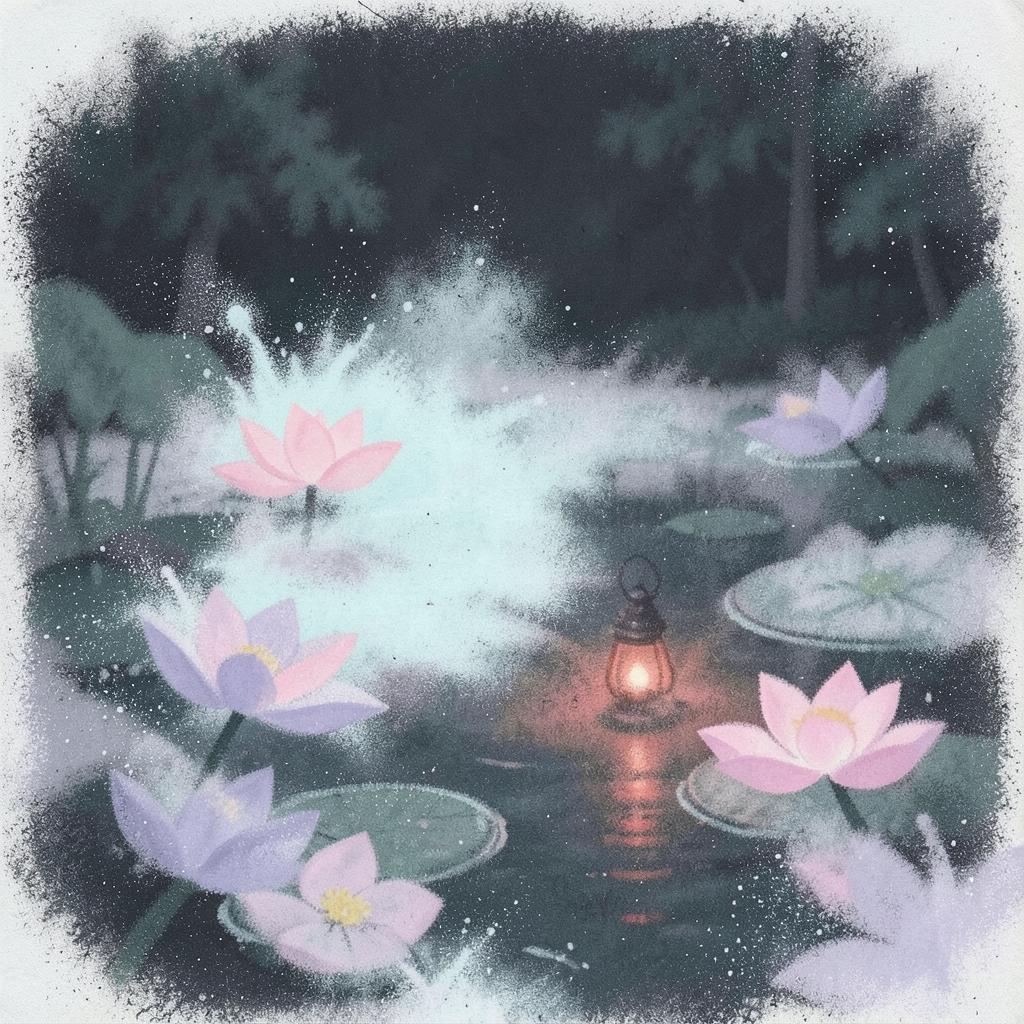 The Lotus-Gathering Girl of YexiYexi, lotus gathering and laughter on water enter a light female water song; bamboo flute,
- 29
 Stone Walls Cannot Hold the Sky · Chinese VersionStone walls, iron bars and a heavy doorway may enclose the body, but not love or freedom;
- 30
 The World Is Too MuchWhen hours, days and nature are all traded away, the sea still breathes beneath the moon;
- 31
 Rain on the Wutong · Male SlowNight rain strikes the wutong leaves as Male Slow carries an emperor's memory through
- 32
 Autumn in the Han Palace · Male SlowBack to Xianyang, past the palace wall and around the corridor: Male Slow follows the empt