Dream of the Red Chamber Music Experiment
Six verified public films, seven bilingual character essays and 15 complete on-site masters now return to one archive. The Flower-Burial Song, the Wood-and-Stone Vow and the women's intertwined fates remain lives and choices—not decorative ‘ancient style.’
Listen straight through (15 songs)
One after another, back to the top at the end — until you stop it. Tap any song to carry on from there.
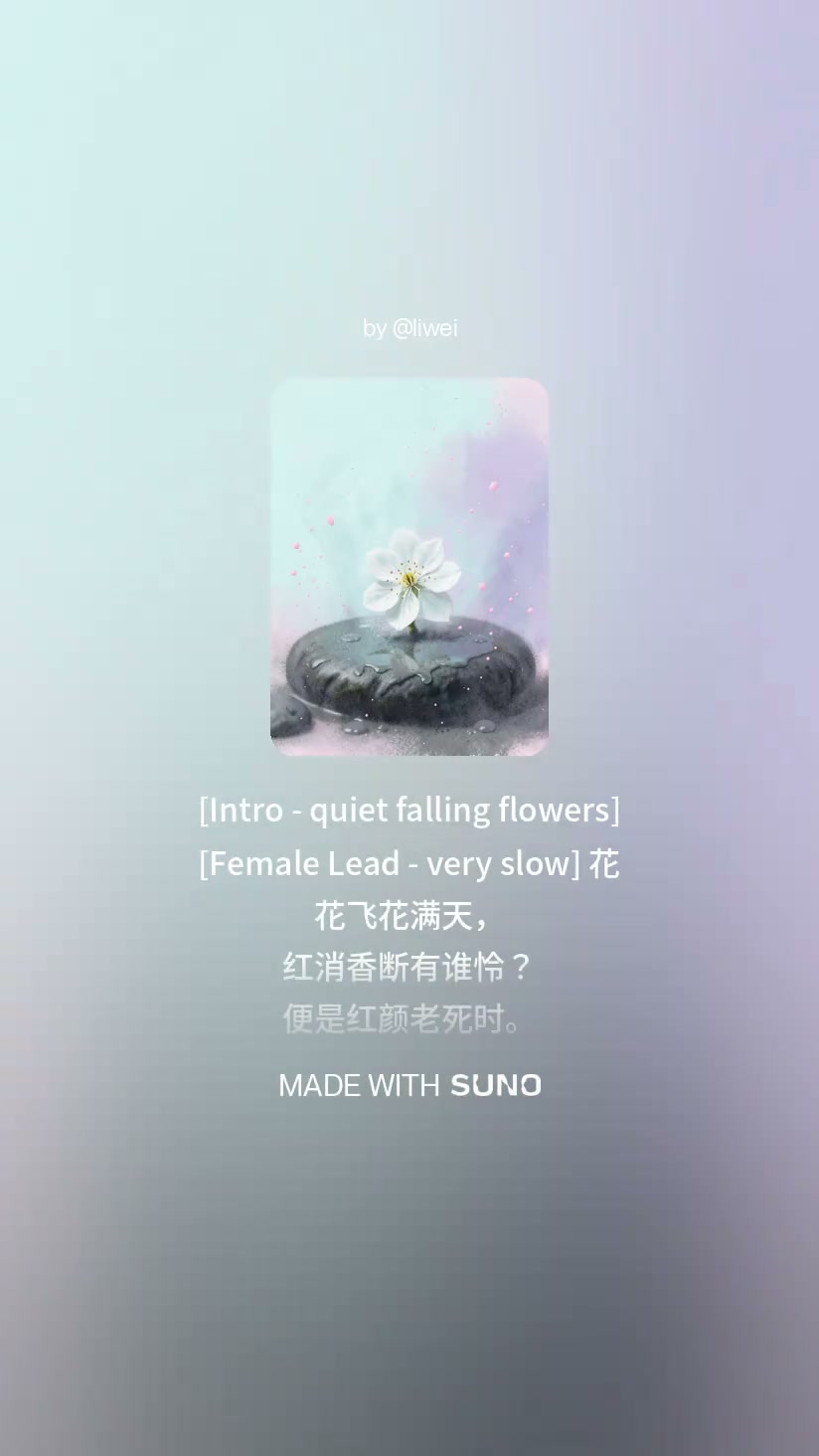
- 1The Flower-Burial Song · Full-Text ChaptersRather than extracting a famous line for a short song, this seven-minute setting carries t
- 2
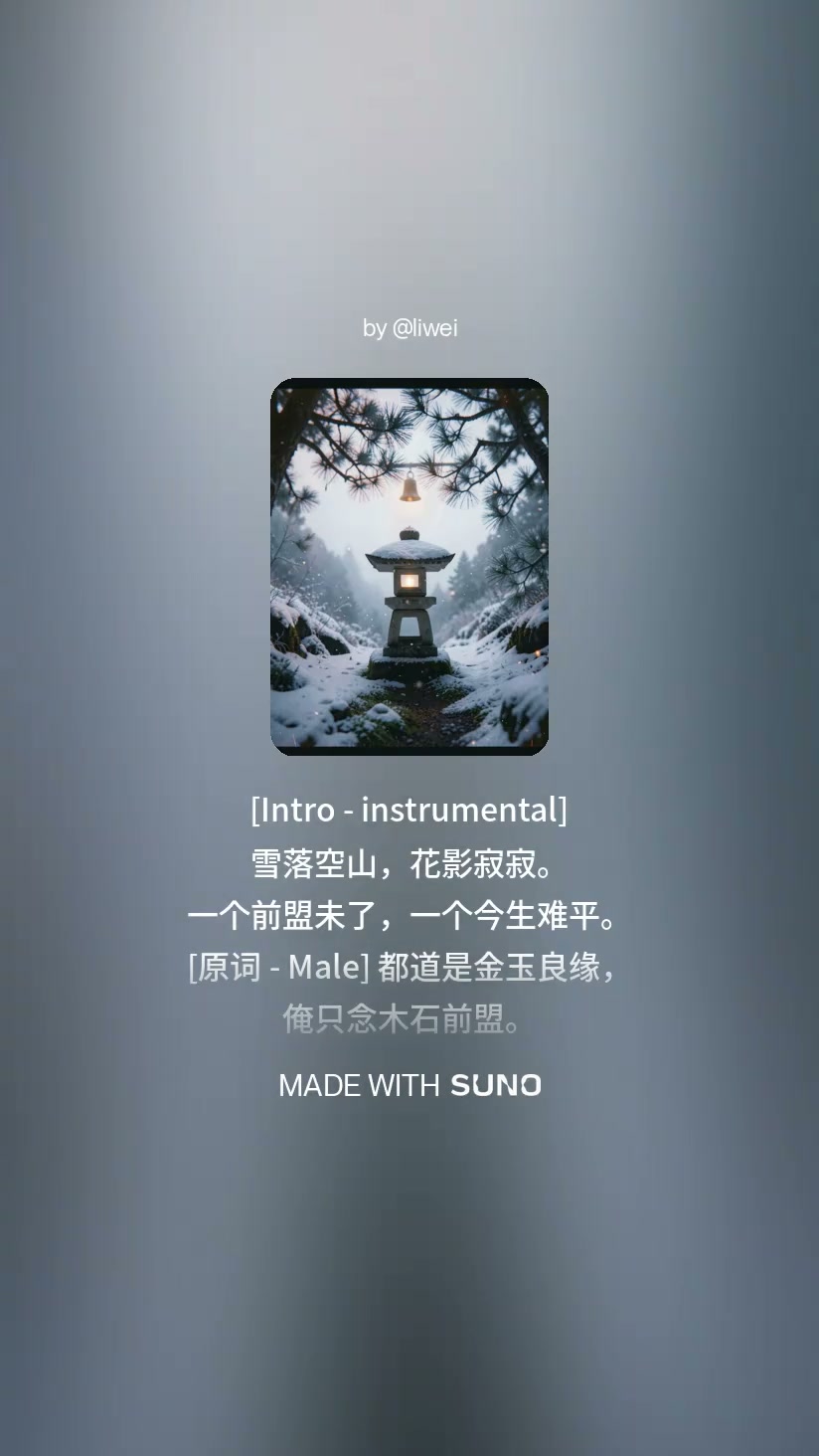 A Lifelong Mistake · The Wood-and-Stone Vow‘All speak of a golden and jade match; I remember only the wood-and-stone vow.’ The two vo
- 3
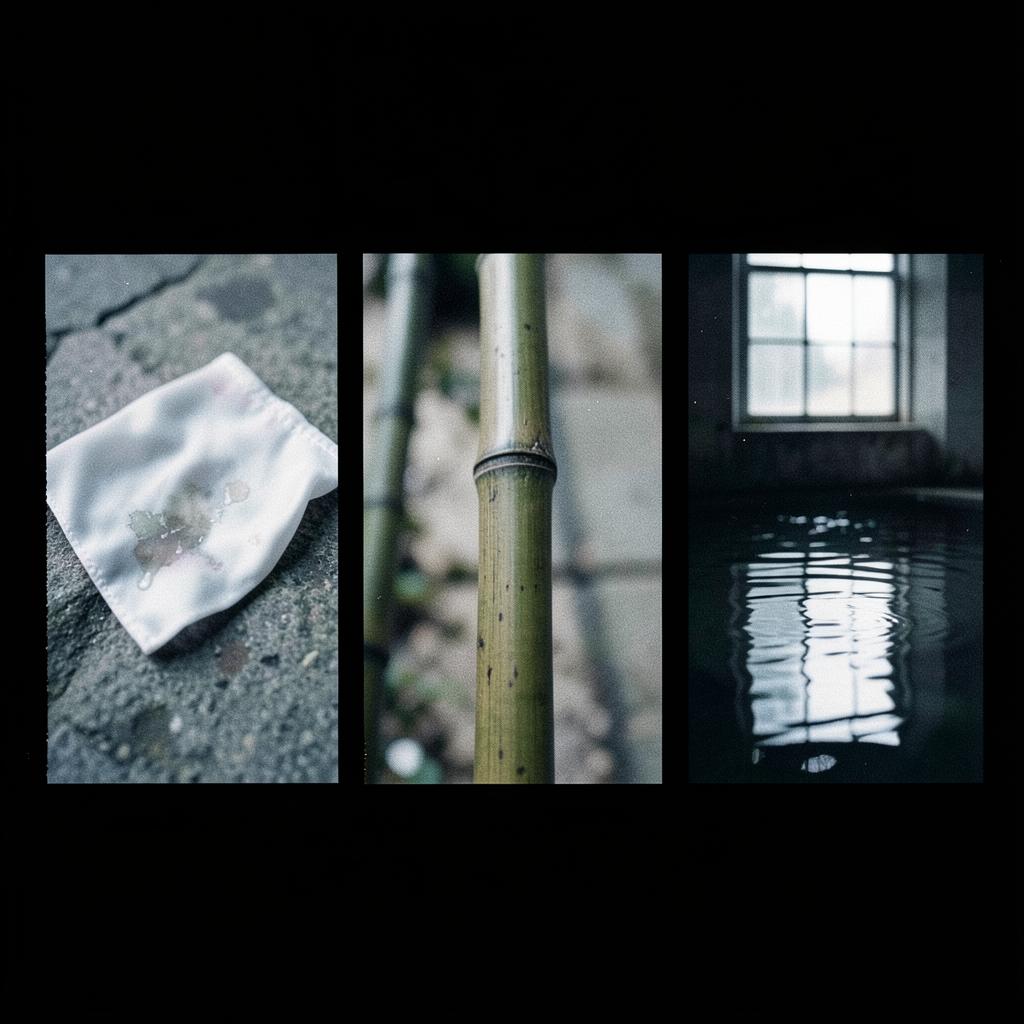 Three Verses on the Handkerchief · Lament of EmptinessA single handkerchief carries what cannot be spoken openly. The female lead keeps tears, v
- 4
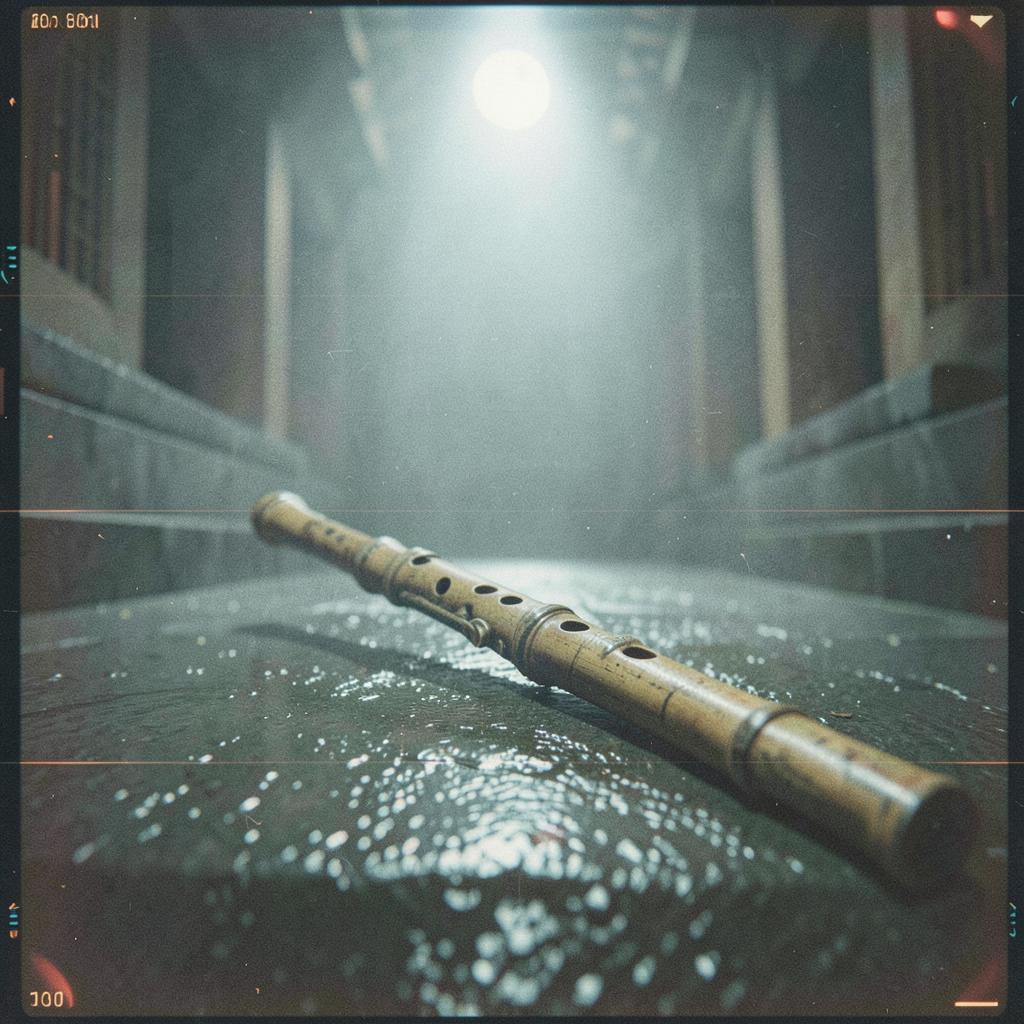 Qingwen's Song · Lament of EmptinessQingwen is not a portrait of passive fragility. She is too truthful, too bright and unwill
- 5
 Hard for the World to Bear · Lament of EmptinessMiaoyu chooses purity and is also confined by it. She withdraws from the world, yet the wo
- 6
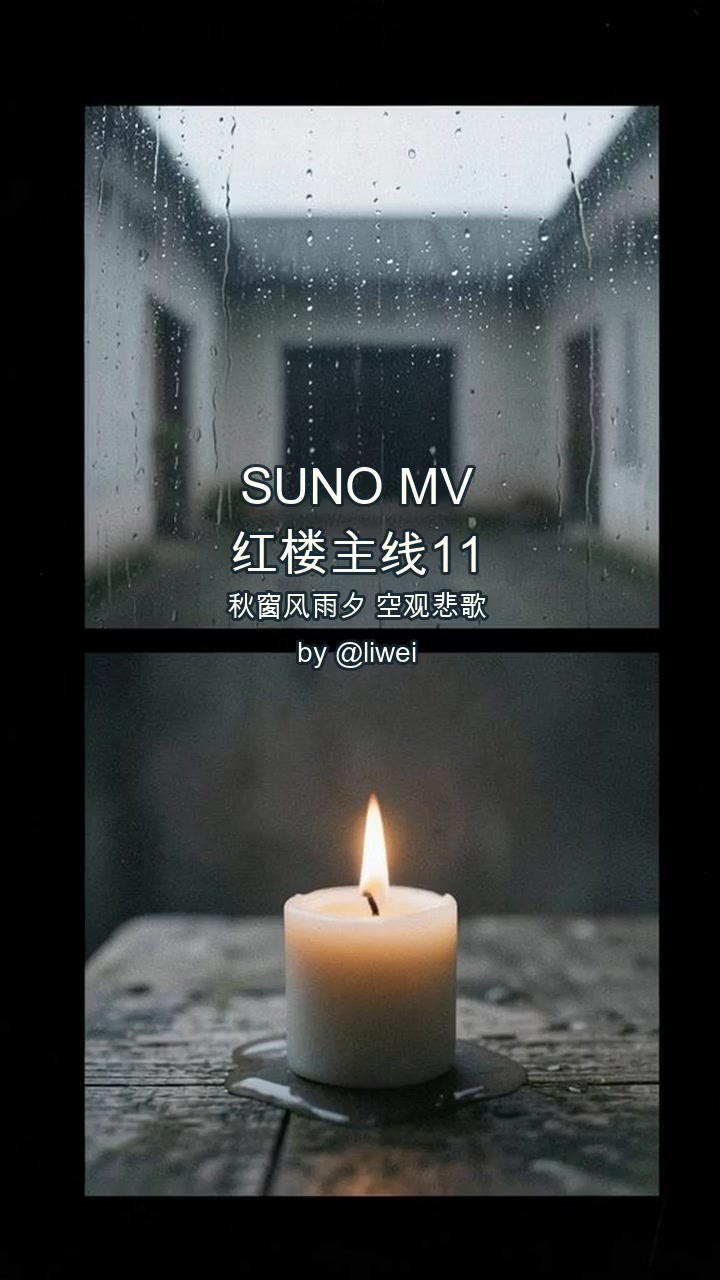 Autumn Window in Wind and RainAutumn lamp, tearful candle, sparse bamboo and night-long rain carry Daiyu's solitude
- 7
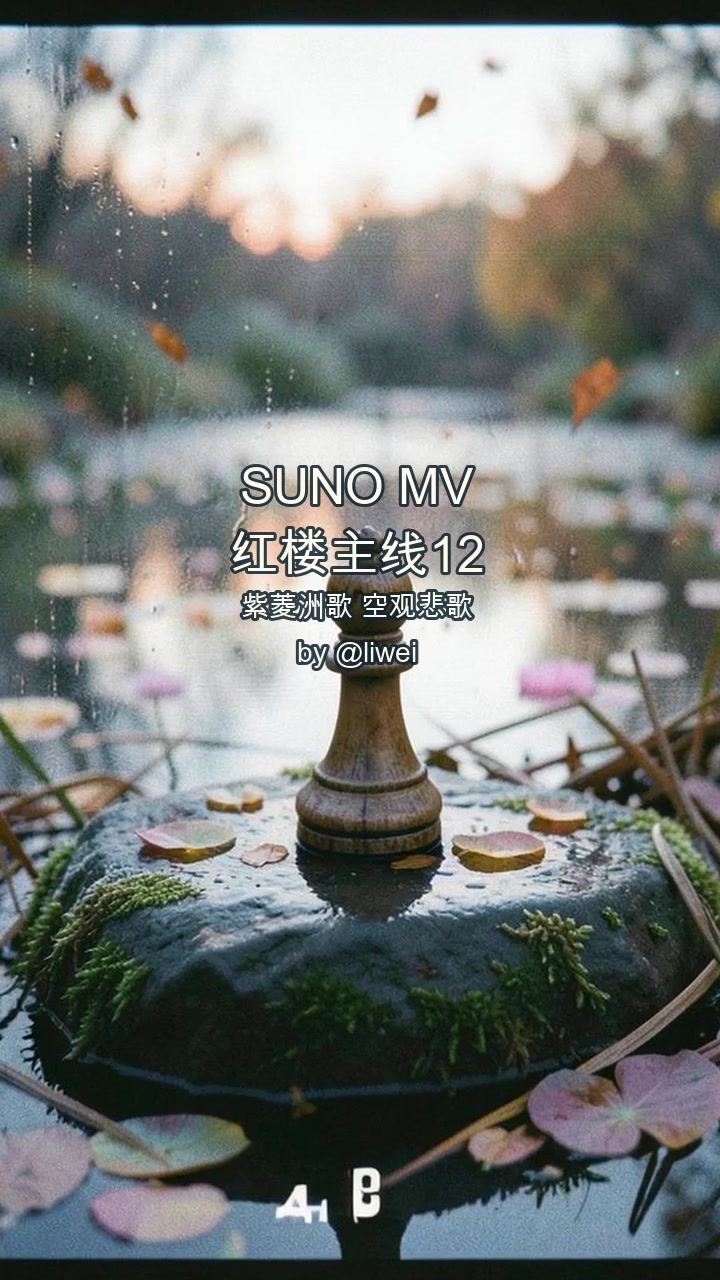 Song of Purple Caltrop IsleAutumn wind scatters red lotus shadows while an unfinished chessboard and sibling farewell
- 8
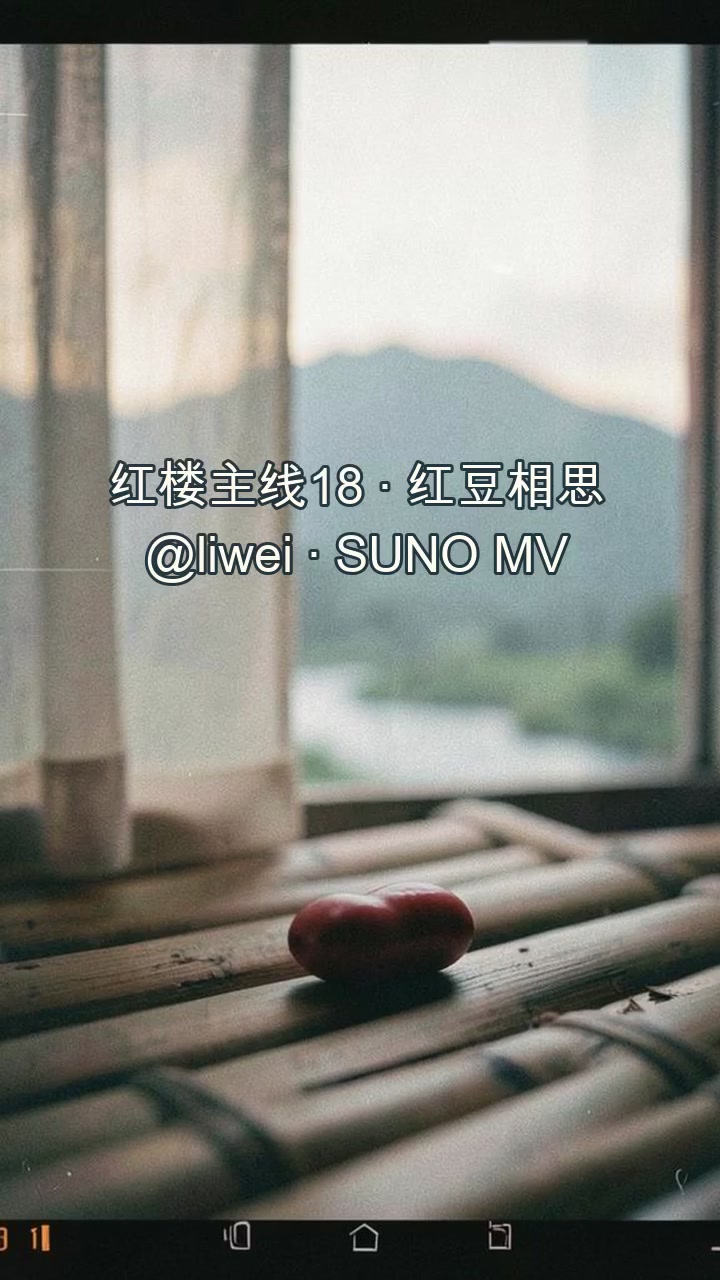 Red Bean Longing · Green Hills EndureRed beans count human longing while green hills place meeting and parting inside a longer
- 9
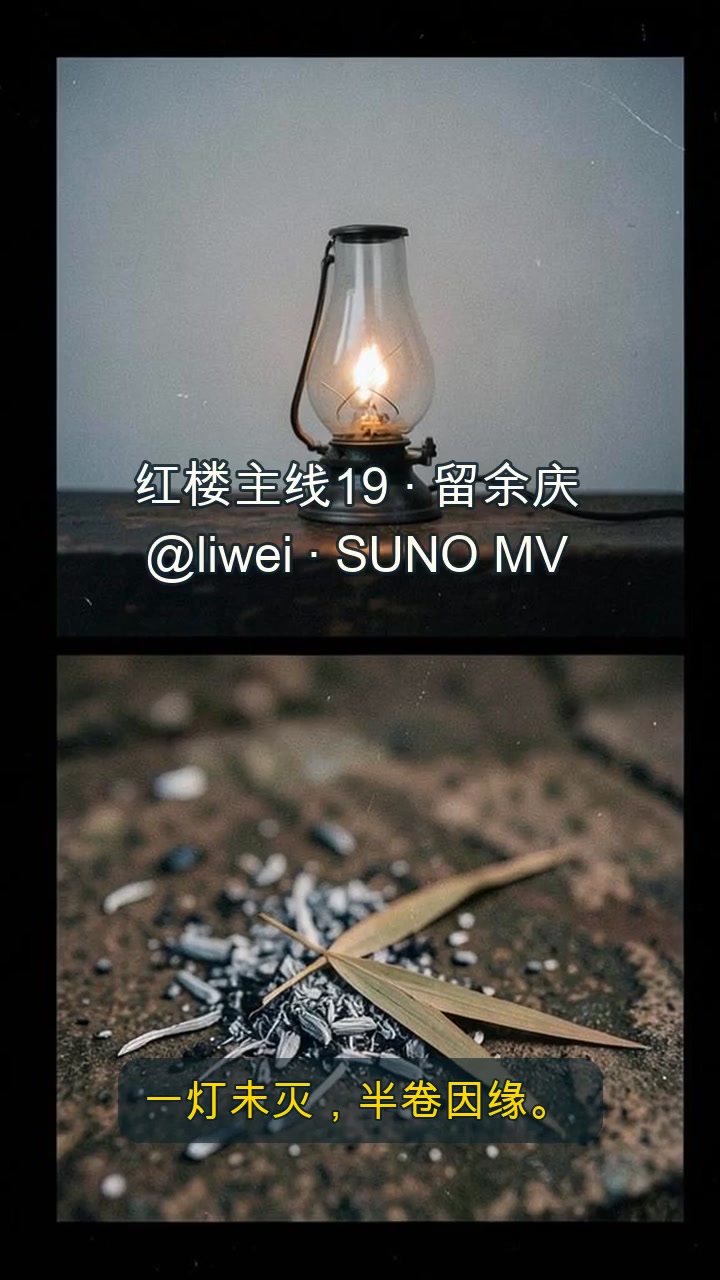 A Legacy of GraceBeyond a family's rise and fall, one act of grace crosses danger and returns as a lat
- 10
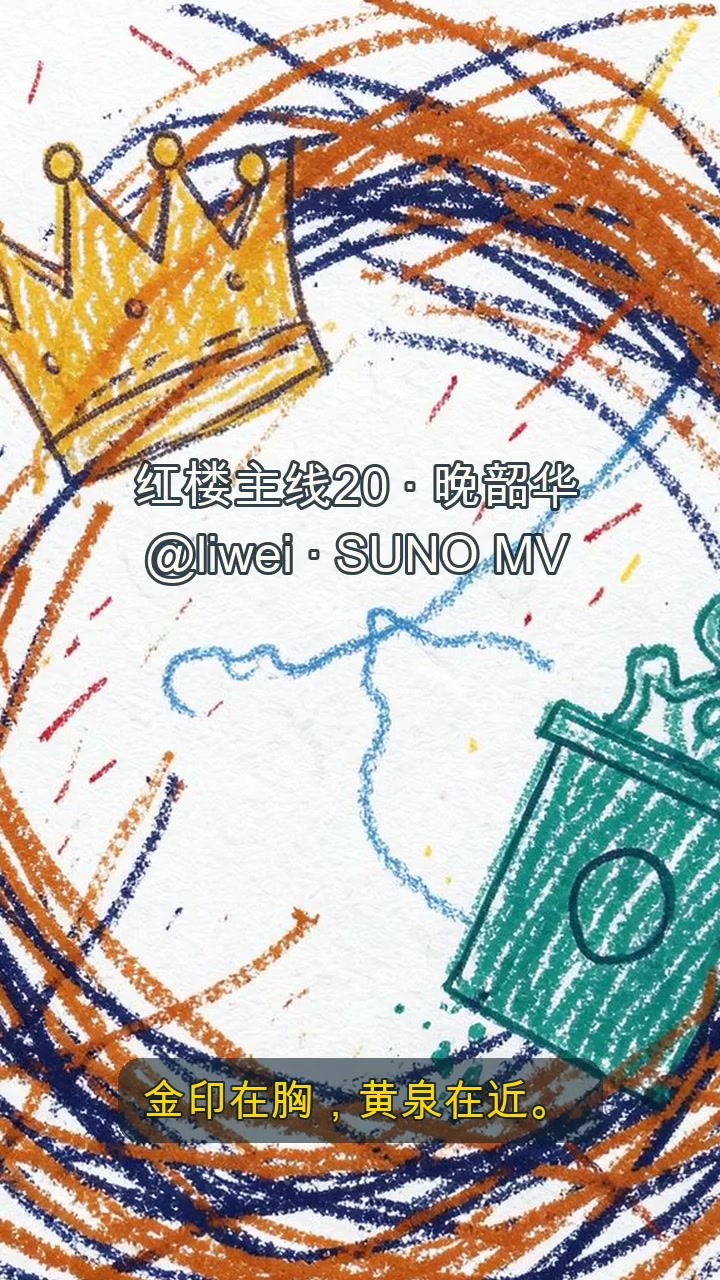 Late Splendour · Near the Yellow SpringsLate splendour unfolds beside life's edge; the brighter it becomes, the more clearly
- 11
 Happy Enemies · The Zhongshan WolfThe Zhongshan wolf is not a decorative allusion but the violence closing in on Yingchun&#x
- 12
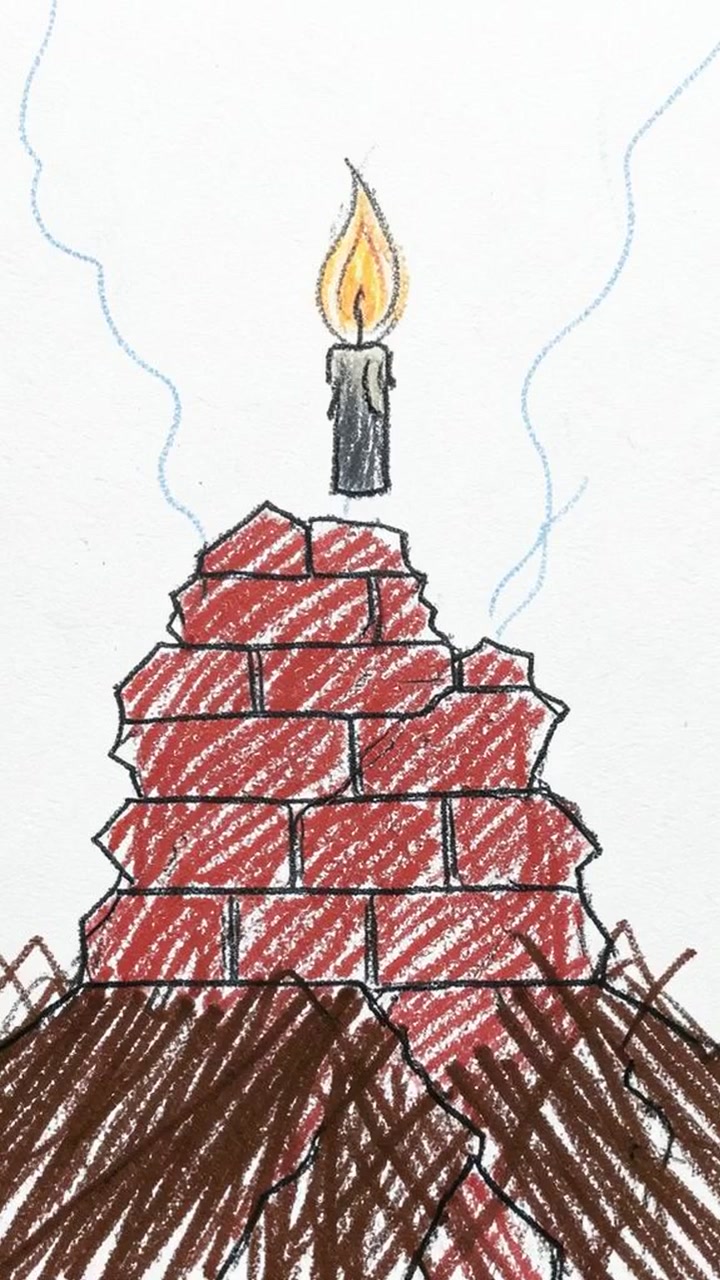 The Burden of Cleverness · Lament of EmptinessSchemes, a scattered household and a collapsing mansion become a sharp, desolate look back
- 13
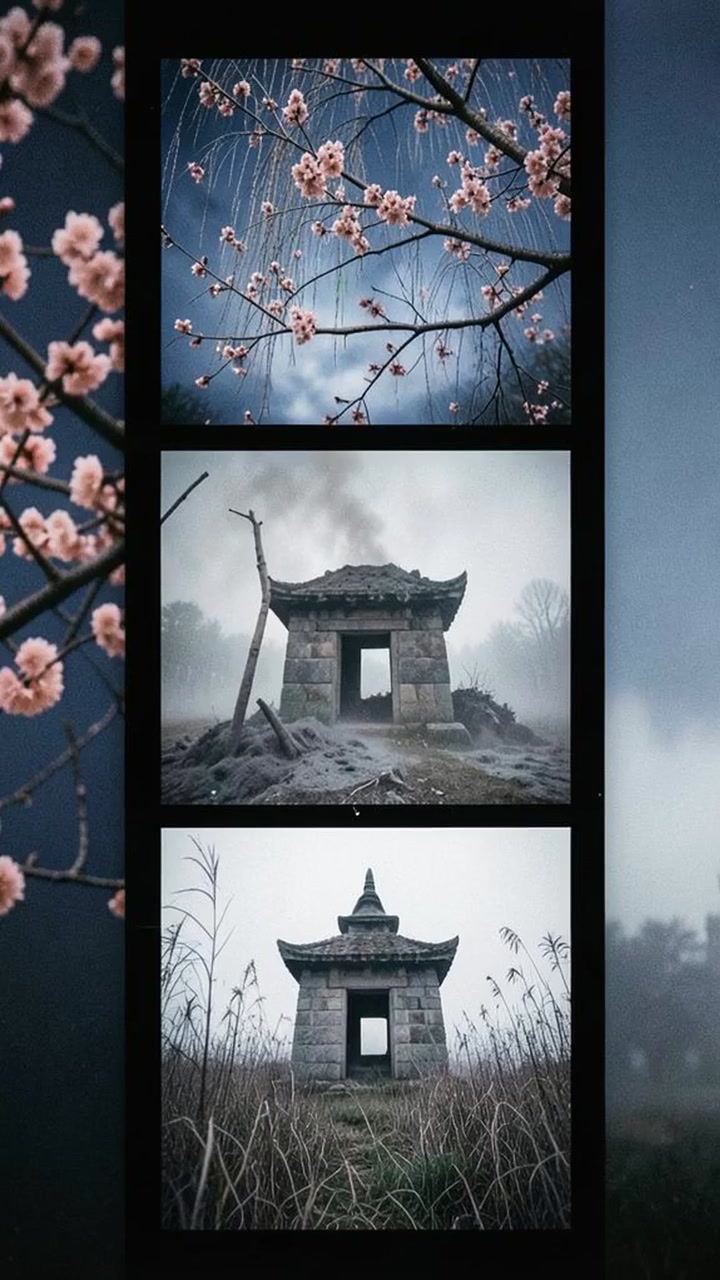 Awakening from Empty Blossoms · Duet of StillnessAfter seeing through the spring seasons, blossoms, grave grass and the tree of release sta
- 14
 All Good Things End · Spring Falls to Fragrant DustSpring ends beneath painted beams and fragrant dust falls as the Ning household's spl
- 15
 Each Bird Returns to Its Forest · A Vast White FinaleHouseholds fade, wealth scatters and debts find their ends before the world turns vast and
MV stories
Yi nan ping is not the title of a ready-made lyric in the novel. It is a contemporary emotional summary left after reading Baoyu and Daiyu, Qingwen and the rise and fall of the garden: events have ended, yet one place in the heart refuses to be levelled by conclusion.
Qingwen’s tragedy is not weakness. She is skilled, sharp and proud inside a social position that grants her almost no authority over her own fate. A song must do more than pity her; it must place her at the centre of the voice.
Immortal flower and flawless jade, moon in water and flower in a mirror: Baoyu and Daiyu’s love is both real and unreachable. The challenge is not to make Vain Longing sadder, but to build a new musical route that respects the novel while living beyond an already famous performance memory.
Wang Xifeng’s intelligence is both real ability and a weapon for survival inside the Jia household’s power structure. The song’s chill lies not in mocking a woman for calculating too well, but in making splendour, strategy and ruin audible inside the same abacus beat.
Daiyu buries more than flowers. The act carries her foreknowledge of youth, body, love and fate. Flower and person become mirrors, so the story must rescue her from the category of a beautiful iconic scene: she is not crying for the camera; she is composing an elegy for herself.
Awakening from Illusory Flowers belongs to Xichun’s fate. Splendour is visible like a flower in a mirror yet cannot endure. Her renunciation carries religious meaning, but it is also a young person’s defence and retreat before household collapse; the song cannot reduce it to serene wisdom.
After Baoyu is beaten, he asks Qingwen to carry old handkerchiefs to Daiyu. She understands the unspoken care and, while ill, writes three poems upon them. Love here has no public declaration—only a used everyday object, feeling that cannot be openly stated and the impulse to turn tears into writing.