by Li Wei (立委)
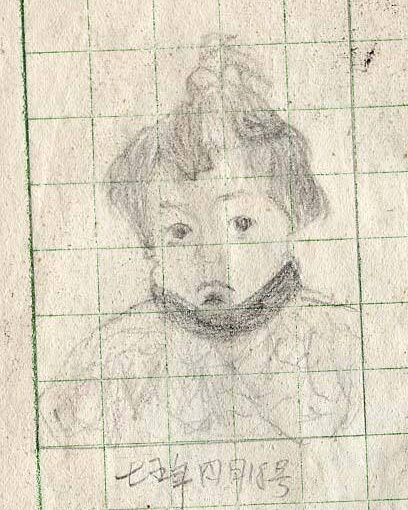
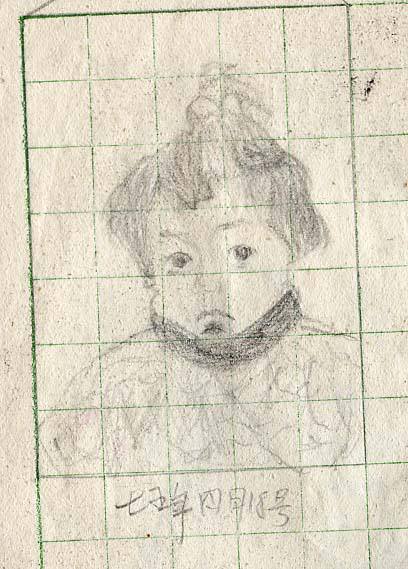
We were three siblings, each two years apart. I was in the middle, and Little Sister was the youngest — the darling of the entire family. Our elder brother was a natural-born student leader, always out in the world making trouble or making revolution, often leaving us behind. At home, it fell to me, the second brother, to look after Little Sister.
I was a weak and sensitive child, prone to excessive worry about my family, and Little Sister was the one I worried about most. I remember countless times — whether it was our parents, our elder brother, or Little Sister — if someone didn't come home on time, I would sit at home letting my imagination run wild, terrified that something terrible had happened. When I took Little Sister out to play, I never dared let my guard down. The moment she was out of sight, my heart would pound with fear — what if someone kidnapped her?
From childhood to adulthood, I was always the one being looked after. My parents, my grandma, my elder brother — they all took care of me, and at school, being younger and doing well academically, I often received special attention from teachers and kindness from older classmates. This environment made me a little too comfortable being the one who was cared for. I took it for granted. In my world, only Little Sister was younger and more fragile than me, someone who needed my protection and care.
The year our family was sent to the countryside, I was five and Little Sister was three. I often took her out to play on the flagstone streets beyond our front door. Across the way was a blacksmith's shop, and Little Sister and I would stand transfixed, watching the two blacksmith brothers at work. It felt magical. The bellows whooshed, the iron glowed red-hot, and under the rhythmic hammering — one heavy, one light — sparks flew everywhere. The metal darkened from crimson to dull red, slowly taking shape: spades, hoes, sickles, gleaming black after quenching.
I used to show off by carrying Little Sister on my back as I ran down the street, making her giggle and laugh. She was thin, but even so she was heavy for me, and I could never carry her far before she'd start slipping down. One day, I had her stand on a high step so I could lift her from above — I figured the higher center of gravity would make her easier to carry. But I was wrong. After just a few steps, Little Sister went tumbling headfirst over my shoulder and hit the ground — "smack" — her face bruised and swollen. I was heartbroken and regretted it for a long, long time. And of course, Little Sister never again let her second brother carry her on his back again.
Not far behind our house was a little pond where I took Little Sister to play. A tempting water chestnut floated on the surface, and Little Sister reached for it. She stretched, missed by a hair, stretched further — and splash — tumbled into the pond. I was terrified and stood at the water's edge, crying desperately. The elder blacksmith brother, who was fishing on the opposite bank, heard my cries and came running. He jumped into the water and pulled her out. Poor Little Sister — three years old, hair disheveled, face blue, soaking wet, too shocked even to cry. The blacksmith carried us home, and Grandma was beside herself with fear. From then on, we were forbidden to go anywhere near the pond. That evening, Grandma — a superstitious old soul — led Little Sister and me around the pond's edge, murmuring incantations, believing this would call back our frightened souls.
Little Sister was well-behaved — pampered but never spoiled. Teachers and classmates at school all loved her, and at home she had the whole family's care. Whenever I got a treat as a child, I always thought of Little Sister and carefully saved half for her. I might fight with my elder brother over food sometimes, but with Little Sister, from childhood to now, it's always been nothing but protection and tender care.
In those days, fruit was a luxury. When our parents brought home apples or pears, the whole family felt festive. Little Sister ate fruit delicately and slowly, always leaving a large core behind for us to finish. My brother and I would gnaw our own fruit down to nothing, then eye the core still in Little Sister's hand with envy. Every time, she'd smile at us, and we'd compete, shouting: "Core collection station now open! Core collection station now open!" Little Sister loved this game, but she never judged by volume. She was always fair — if she'd given the core to our elder brother last time, this time it was mine.
At seventeen, I left home to be "sent down" to the countryside, beginning a lifetime of wandering the world. Even when I came home for New Year's, my visits were always brief. But my concern for Little Sister never faded — not until she married. Her husband is an honest, intelligent, caring man, with an impressive career in farming research. Only then did I, as her brother, feel some relief. Little Sister's child also turned out exceptional — with broad knowledge, a gift for writing, now working in AI in America. Little Sister herself — once so pampered — has been tempered by life. She's capable, hardworking, and well-liked by everyone.
I went abroad for graduate studies and didn't return home for ten years. When I finally visited, there were too many things to say and no way to begin. At Little Sister's house, we sang old songs together on the karaoke machine, and scenes from our childhood — playing together as brother and sister — came flooding back, frame by frame. Only then did I learn that Little Sister had twice narrowly escaped death — once thrown from an electric scooter, once paralyzed by severe potassium deficiency. "Why didn't you tell me?" I asked. Little Sister smiled bitterly. "What would have been the use? You were on the other side of the world. It would only have made you worry for nothing." She sighed, tears glistening: "They say both brothers have done so well. But what good is it? We barely even see each other. Look at other families — brothers and sisters right here in the hometown, on holidays and weekends, the whole family gathers, so warm and lively." Her words cut me deep.
Now we've all reached middle/senior age and beyond, but in a brother's eyes, Little Sister will always be Little Sister — the one who needs watching over, the one who needs protecting.
小妹
我们兄妹仨各相差两岁,我在中间,小妹最小,全家都疼爱她。大哥天生的学生领袖,在外闯荡闹革命,常把我们撇在一边。小妹在家多由我这个二哥领着玩儿。
我小时候身子虚弱,很敏感,对家人常常过度牵挂,小妹更是我最牵挂的人。记得很多次,无论是爸爸妈妈,还是大哥小妹,因故没按时回家,我就在家胡思乱想,老怕家人出什么意外,越想越怕。领小妹出门玩,我从来不敢大意。只要小妹不在眼前,心里就扑通通地担心不已,怕小妹被人贩子拐走。
从小到成年,我一直是受照顾的对象,父母外婆大哥自不必说,在学校也因为年龄小成绩好,也常受老师的青睐和同学的优待。这样的环境使我总是有点倚小卖小,觉得被照顾是理所当然。在我的世界中,只有小妹比我更小更弱,需要我的怜爱照顾。
我们家下乡的那年,我五岁,小妹三岁。我常常带小妹到家门外青石板的街头玩耍。记得对门是个铁匠铺,我和小妹常常看邻居铁匠兄弟俩打铁出神,感觉很奇妙。风箱呼呼拉着,烧红的铁料,在一轻一重有节奏的锤打下,火星四溅,从通红变暗红,慢慢成型,花为铁锹锄头镰刀,淬火后发着黑光。铁匠兄弟憨实友好,常招呼我们,我们因为害怕铁铺堂前的一具油亮亮的大棺材而不敢进门,那是预备给他家年事已高的祖母的。
我还常常逞能背着小妹当街跑,逗得小妹咯咯直笑。小妹虽然瘦小,我背起来还是很费劲,常常背不远就慢慢滑溜下来。有一天,我让小妹站在一个高高的台阶上,这样背下来,重心提高,感觉能轻省一些。没想到重心太高也不行,刚挪了几步,正得意小妹这下高高在上,滑不下来了,小妹却一个倒栽葱,"啪",翻过我的头顶摔下来,鼻青脸肿。我心疼后悔了好久好久。当然,小妹从此再也不敢让二哥背了。
我们家后面不远处有个小池塘,我带小妹去玩。水里漂着一个诱人的小菱角,小妹用手去捞,只差一点没捞着,小妹于是伸手再去捞,身子一倾,扑通掉进塘里了。我吓坏了,使劲在塘边哭。正在对面钓鱼的是铁匠大哥,听到哭声,赶忙跑过来跳进水中,把小妹捞起来。可怜,三岁的小妹头发散乱,脸色发青,湿淋淋的,吓得都不会哭了。从此我们再也不许走近池塘了。
小妹很乖巧,宠而不娇,在学校同学老师都喜欢她,在家有全家的呵护。我小时候得到零食,也总想着小妹,小心翼翼给小妹留下一半。跟外婆要来零用钱两三分,常到街头买回一小块红薯头,回家来跟小妹分享,又甜又香的红薯,总给我们莫大的享受。我有时会跟哥哥抢吃的,可是对小妹,从小到大,永远是护让和怜爱。
当年水果算奢侈食品,家里不常有,爸爸妈妈偶然买了苹果或梨子回家,一家就像过节一样。小妹吃水果很细很慢,总是留下大大的果核由我们收尾,我和我哥总把自己的水果啃得干干净净,然后觊觎小妹手上吃剩的果核。每次小妹朝我们笑笑示意,我和大哥就比着嗓子吆喝:"收核子站开喽,收核子站开喽!"小妹很喜欢这样的游戏,但并不以嗓门高低为凭,总是很公平,上次把核给了大哥,这次就给二哥。
我从17岁离家插队,就开始了一生流浪的足迹,过年回家,也是来去匆匆。但是对小妹的牵挂始终不减,直到小妹出嫁。妹夫是个实诚聪明懂得关爱人的人,科研事业也很出色,做哥哥的这才感觉放心一些。小妹的孩子也很有出息,知识面广,有作文天才,留美后从事AI工作,后生可畏。娇生惯养的小妹也磨练出来了,做事干练,不怕吃苦,人缘也很好。妹夫家在偏远的农村,小妹过年常常陪丈夫孩子摆渡去看望公婆,一点没有城市小姐的娇气,极受夫家好评。
我出国留学,一去10年才第一次返乡探亲。太多的话不知从何说起,来到小妹家跟小妹一起唱卡拉ok的老歌,儿时兄妹玩耍的一幕幕在眼前浮现。吃罢小妹做的晚饭,聊起来,才知道小妹两次大难不死。一次是骑电动车,不知道哪个机关失灵,莫名其妙被甩出去几丈远。还有一次病危,严重缺钾,全身瘫软,脖子差点顶不住脑袋,好不容易才脱险。说得我心惊肉跳。我问,以前信件电话怎么不告诉我啊?小妹苦笑:告诉你有什么用?天涯海角的,不是让你瞎担心嘛。小妹叹口气,泪眼迷离,凄切切地说:都说两个哥哥有出息,当老总的,留洋的,可一点也不实惠,连面也难得一见。看人家兄弟姐妹在家乡,逢年过节大周末的,一大家热热闹闹。说得我心酸。
转眼我们都中年以后了,可在哥哥眼中,小妹永远是小妹,让人牵挂,需要呵护的小妹。
From Morning Glory and Afternoon Collection (朝华午拾). Original Chinese: 小妹.
