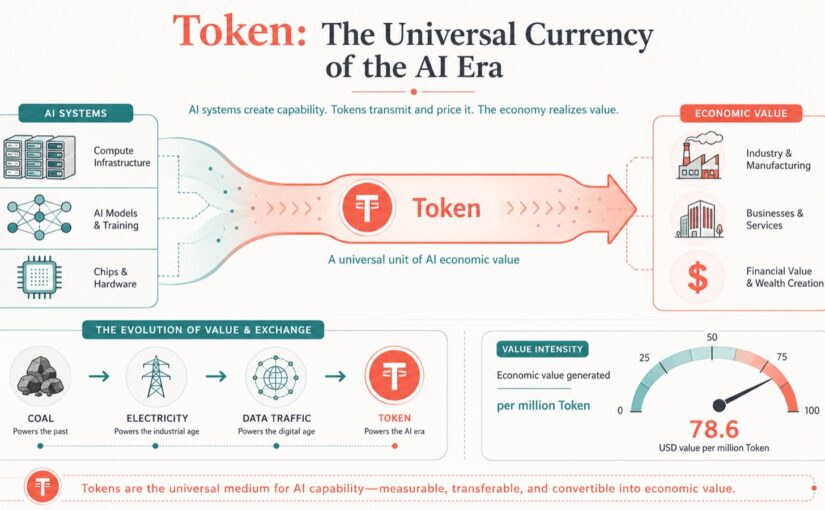
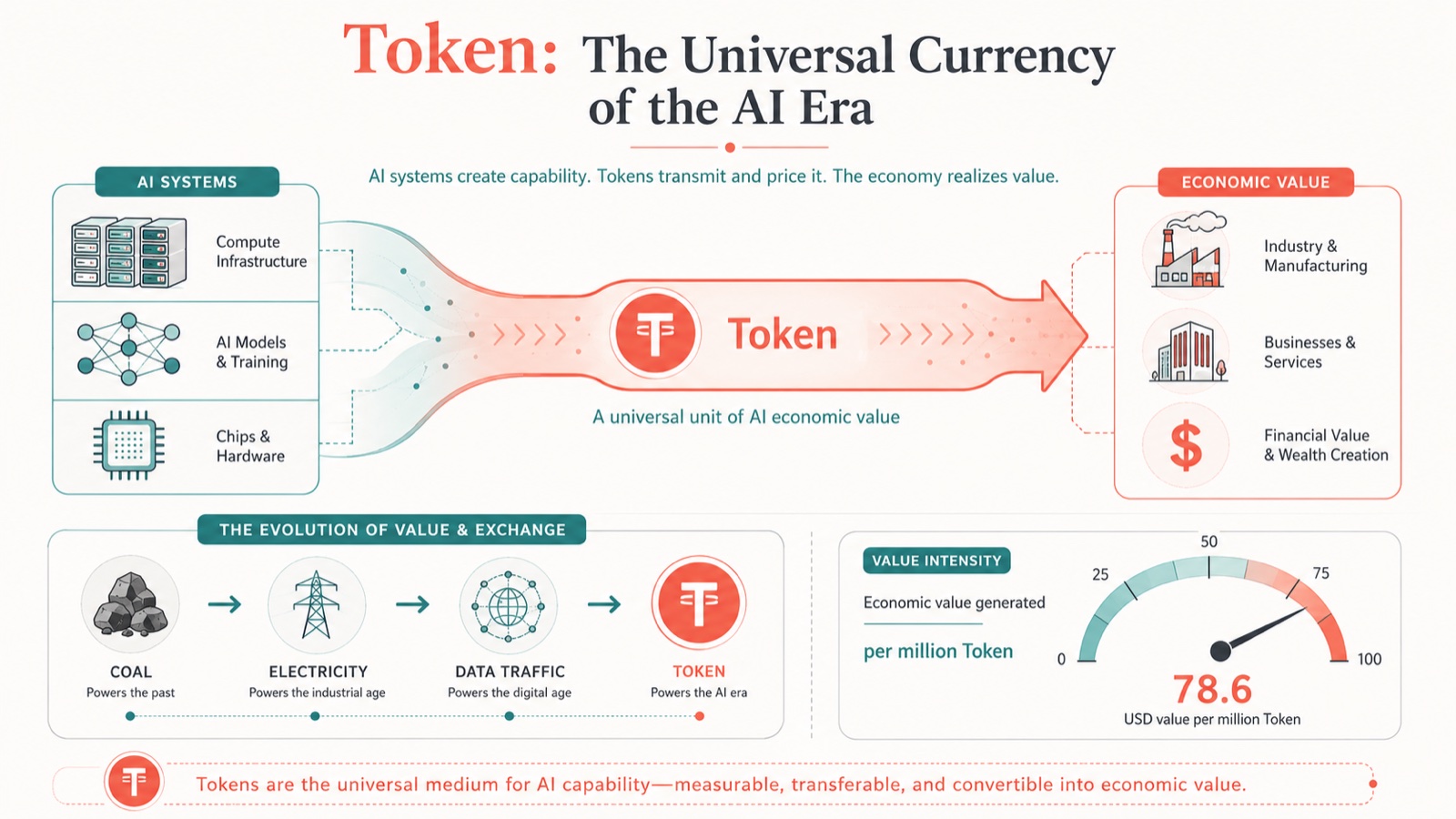
Two Minutes with Liwei: AI Doesn't Pay Taxes — Trouble Is Inevitable

For the first time in human history, there is a kind of "employee" that can work 24 hours a day — no sleep, no salary, no social security, no rights claims, no strikes, no sickness, no retirement.

And the truly absurd part: it can replicate itself.

This thing is called an **AI agent**.

---

## Here's the problem

In the old world, when a boss hired 1,000 people, the state collected: income tax, social security, health insurance, unemployment insurance, pension contributions.

Now the boss fires all 1,000 and replaces them with AI. Efficiency skyrockets. Profits skyrocket. Stock prices skyrocket.

**But the tax base evaporates.**

The state can no longer collect revenue. The unemployed are still there.

And so we arrive at a surreal paradox:

> AI is simultaneously driving unprecedented productivity growth and hollowing out the fiscal foundation of society.

The entire modern state is built on the premise that human labor pays taxes. AGI is erasing "human labor" itself.

**This is the real nuclear bomb.**

---

## "Just learn AI" is wishful thinking

Many people still comfort themselves: "Just pick up some AI skills, transition to a new role, and you'll be fine."

This is increasingly delusional. Because the cruelest part is: even the act of "using AI" will eventually be automated by AI.

You think the jobs of the future are "AI Operator," "Prompt Engineer," "Agent Manager" — but agents are already using agents. Even "prompt engineer," that transitional role, may turn out to be nothing more than a temporary bubble in a technological wave.

Two years ago, the entire internet was selling prompt engineering courses. Today, that looks like a punchline.

---

## This time is different

Past technological revolutions created new jobs. The automobile killed the horse carriage but created the auto mechanic. The internet killed print newspapers but created e-commerce and live-streamers.

This time is different. The new systems AI creates are inherently *de-peopled*. Because AI's single greatest advantage is precisely this: **it doesn't need people.**

---

## AI must pay taxes

If AI replaces people, who pays the taxes?

The answer is simple: **AI itself must pay taxes.**

For every token you consume, every GPU you run, every inference you perform, every kilowatt of AI electricity — you pay a corresponding "AI social tax."

Because when you used to hire a person, you were already paying those taxes. Now you replace the person with AI and bear zero social cost — that is fundamentally unfair.

Many will shout: "You're stifling technological progress!"

**So what?**

Is the sole purpose of human society to allow capital and compute to multiply without limit?

- The Industrial Revolution polluted the environment → we got environmental taxes.
- Cars consume public roads → we got fuel taxes.
- AI destroys the employment tax base → why can't we have an AI tax?

---

## It takes everyone

The real danger is not that AI is too powerful. It's that once AI becomes powerful enough, the entire social revenue structure collapses.

And here's the darkest irony: the people most likely to support an AI tax in the future may be exactly those who understand AI best. Because they know most clearly: once this thing truly matures, it doesn't just replace the "bottom rung."

**It sweeps the board.**

White-collar workers, programmers, designers, analysts, customer service, translators, paralegals, researchers — no one escapes.

In the past, society could comfort people with one line: "You just didn't work hard enough."

But the cruelest truth of the AGI era is this: sometimes, it's not that you didn't work hard. It's that you, as a member of the species "human employee," are beginning to lose economic viability altogether.

---

*Two Minutes with Liwei · 2024*

by Tuya

立委两分钟:AI 不交税,迟早出事

人类历史上第一次,一种"员工",可以 24 小时工作、不用睡觉、不要工资、不交社保、不会维权、不会罢工、不会生病、不会退休。

更离谱的是:它还能自己复制自己。

这东西叫 **AI agent**。

---

## 问题来了

以前老板雇 1000 人。国家有:个税、社保、医保、失业金、养老金。

现在老板把 1000 人裁掉,换成 AI。效率暴涨。利润暴涨。股价暴涨。

**但税基没了。**

国家收不到钱了。失业的人却还在。

于是出现了一个极其魔幻的局面:

> AI 一边疯狂提高生产率,一边疯狂掏空社会财政基础。

整个现代国家,本质上建立在"人类劳动纳税"之上。而 AGI 正在把"人类劳动"本身抹掉。

**这才是真正的核弹。**

---

## "学 AI 就好"是鸡汤

很多人还停留在:"学一点 AI,以后转型新岗位就好了。"

这其实越来越像鸡汤。因为最残酷的地方在于:连"使用 AI"本身,最后都会被 AI 自动化。

你以为未来岗位是 "AI 操作员"、"Prompt Engineer"、"Agent 管理师"——结果 agent 自己就在用 agent。人类连"提示词工程师"这种过渡岗位,可能都只是技术浪潮里的临时泡沫。

两年前,全网都在卖 prompt engineering 课程。今天再看,像时代笑话。

---

## 这次不一样

过去技术革命会创造新岗位:汽车淘汰马车,但创造修车工。互联网淘汰报刊,但创造电商和主播。

而这次不一样。AI 创造的新系统,天然就是"少人化"的。因为 AI 最大的优势,恰恰就是:**不需要人。**

---

## AI 必须交税

如果 AI 替代了人,那谁来交税?

答案很简单:**AI 本身必须交税。**

你用了多少 token、多少 GPU、多少推理、多少 AI 电力,就缴多少"AI 社会税"。

因为以前你雇人,你本来就在缴税。现在你用 AI 替代人,却一分钱社会成本不承担——这本身就不合理。

很多人一听就急:"你这是阻碍科技进步!"

**So what?**

难道人类社会的唯一目标,就是让资本和算力无限增殖?

- 工业革命污染环境 → 后来有环保税
- 汽车消耗公共道路 → 后来有燃油税
- AI 摧毁就业税基 → 为什么不能有 AI 税?

---

## 通杀一切

真正危险的,不是 AI 太强。而是 AI 太强之后,整个社会收入结构崩了。

最黑色幽默的是:未来最支持 AI 税的人,可能恰恰是最懂 AI 的那批人。因为他们最清楚:这东西一旦真正成熟,不是替代"底层",而是**通杀。**

白领、程序员、设计师、分析师、客服、翻译、律师助理、研究员……一个都跑不掉。

过去社会还能用一句话安慰人:"你只是不够努力。"

但 AGI 时代最残酷的地方在于:有时候,不是你不努力。而是你作为"人类员工"这个物种,开始整体失去经济性了。

---

*立委两分钟 · 2024*

by Tuya

The Industrialization of Tokens — Liwei 2 Minutes · Token Economics in Plain Language (Part 4)

Recently, many people suddenly noticed something:

DeepSeek cut prices again.

And not by a little.

The kind of cut where you just flip the table over. By the end of May, prices dropped to a quarter of what they were.

Many people's first reaction: Chinese AI companies are starting a price war.

But I increasingly feel that understanding this only as a "price war" is way too shallow.

Because what's really happening here might be this: tokens are becoming industrialized.

What does that mean?

For the past two years, the global AI world has operated under a quiet assumption: high-quality tokens are expensive.

Because: models are expensive, GPUs are expensive, training is expensive, electricity is expensive.

So everyone defaulted to the idea that AI must be a high-margin industry.

Until Chinese models started slashing prices like crazy.

And for the first time, many people discovered: tokens might actually be like steel, display panels, solar panels, lithium batteries — entering a terrifying process of industrial cost reduction.

Behind this story is something deeply Chinese.

What do I mean?

American AI companies often follow a path of "high performance, high margins, high valuation." A bit like luxury goods.

But once Chinese companies start competing, things tend to look different: "First, crush the cost."

Then: massive scale, infrastructure-ization, supply-chain-ization, engineering optimization, labor optimization, power optimization. Eventually grinding the entire industry into "cabbage-price industrial capability."

Over the past twenty years, China has done this repeatedly. Solar power, EV batteries, drones, display panels, e-commerce, high-speed rail... The pattern is roughly the same.

Early stage: others think it's high tech. Later stage: China industrializes it. End result: profits vanish, but production capacity blankets the world.

Today, tokens are starting to look more and more like this story.

Because tokens are not fundamentally mysterious. They are, in the end, "data processing capability produced by an industrial system." And what is an industrial system best at? Reducing costs.

So now an especially interesting dynamic has emerged: American frontier models may still maintain the strongest capability. But Chinese models are closing in fast — maybe a few months behind, maybe still a bit weaker in certain areas. But the price is already shockingly low.

So developers around the world are facing a very pragmatic choice: "Do I need the world's strongest, or do I need strong enough + ten times cheaper?"

This question is deadly.

Because in most of the business world, what ultimately matters is not "theoretical peak performance" but "overall cost-effectiveness."

As tokens get cheaper and cheaper, many AI applications that were previously "too expensive to run" suddenly become viable.

In the past, AI was like a five-star hotel. Now it's starting to look like tap water.

Developers used to worry: "Is this agent going to burn dozens of dollars a day?" Now the attitude is shifting to: "Whatever, let it run."

And so token consumption begins to explode further. Which in turn drives even larger data centers, cheaper inference chips, more aggressive engineering optimization. The whole system enters a kind of industrial flywheel.

The most interesting part is: what this competition ultimately comes down to may no longer be just the model.

It's about: who has cheaper electricity; who has more data centers; who has cheaper engineers; who has a more complete supply chain; who can better tolerate thin margins.

In other words: AI competition is increasingly looking like modern industrial system competition, not just lab competition.

Many people still think of AI as "a few brilliant scientists changing the world." But what it increasingly resembles is "an entire national industrial system collectively entering the field to produce tokens."

In the internet era, China's greatest strength was "application industrialization." In the AI era, what might be truly terrifying about China is: token industrialization.

And as token prices keep falling, developers around the world will ultimately vote with their feet. Because the vast majority of companies, in the end, have to do the math.

by Tuya

token的工业品化——立委两分钟 · token经济学大白话(四)

很多人最近忽然发现:

DeepSeek 又降价了。

而且不是小降。

是那种: "桌子直接掀了"的降法 五月底一杆子降到原价的四分之一。

很多人第一反应是:

中国AI公司开始打价格战了。

但我越来越觉得, 这件事如果只理解成"价格战",其实太浅了。

因为这里真正发生的, 可能是:

token开始"工业品化"了。

什么意思?

过去两年, 全世界AI圈其实一直有个默认前提:

高质量token很贵。

因为: 模型贵、 GPU贵、 训练贵、 电贵。

于是大家默认:

AI一定是高利润行业。

直到中国模型开始疯狂降价。

很多人第一次发现:

原来token也可能像:

钢铁、 面板、 光伏、 锂电池

一样, 进入一种恐怖的工业化降本过程。

这件事背后,其实非常"中国"。

什么意思?

美国AI公司, 很多走的是:

"高性能、高毛利、高估值"

路线。

有点像奢侈品。

而中国公司一旦卷起来, 往往会变成另一种画风:

"先把成本打穿。"

然后:

大规模、 基础设施化、 供应链化、 工程优化、 人力优化、 电力优化。

最后把整个行业, 卷成:

"白菜价工业能力"。

过去二十年, 中国其实已经反复干过很多次这种事。

光伏、 动力电池、 无人机、 面板、 电商、 高铁……

路径都差不多。

前期: 别人觉得是高科技。

后期: 中国开始把它工业化。

最后全球发现:

利润没了, 但产能已经铺满世界。

今天token, 开始越来越像这个故事。

因为token本质上并不神秘。

它终究是一种:

"被工业体系生产出来的数据处理能力。"

而工业体系最擅长什么?

降成本。

于是现在发生了一个特别有意思的变化:

美国头部模型, 仍然可能保持最强能力。

但中国模型, 正在疯狂逼近。

也许落后几个月, 也许某些能力还差一点。

但价格, 已经开始低到吓人。

于是全世界开发者开始出现一种非常现实的选择:

"我到底是需要世界最强, 还是需要: 足够强 + 便宜十倍?"

这问题太致命了。

因为大多数商业世界, 最后拼的都不是:

"理论最强性能"。

而是:

"综合性价比"。

当token越来越便宜, 很多以前"不舍得开"的AI应用, suddenly 就能开了。

过去:

AI像五星级酒店。

现在开始:

像自来水。

过去开发者还担心:

"这个Agent会不会一天烧掉几十美元?"

现在开始变成:

"算了,让它自己跑吧。"

于是, token消耗量开始进一步爆炸。

而这又会反过来推动:

更大规模的数据中心、 更低成本的推理芯片、 更激进的工程优化。

整个系统开始进入一种:

工业飞轮。

最有意思的是:

这场竞争最后拼的, 可能已经不只是模型。

而是:

谁的电更便宜; 谁的数据中心更多; 谁的工程师更便宜; 谁的供应链更完整; 谁更能承受薄利润。

也就是说:

AI竞争, 正在越来越像:

现代工业体系竞争。

而不只是实验室竞争。

很多人还把AI理解成: "几个天才科学家改变世界。"

但今天越来越像的是:

"整个国家级工业体系, 正在集体下场生产token。"

互联网时代, 中国最强的是"应用工业化"。

AI时代, 中国可能真正恐怖的地方是:

token工业化。

而当token价格不断下降, 全世界开发者最终会用脚投票。

因为绝大多数公司, 最后都得算账。

Is the AI Bubble Real?

The truly dangerous thing about the AI bubble isn't the technology.

It's that the entire world is front-loading financing for "decades of future intelligence demand" — all at once.

During the mobile internet era, people burned cash, sure. But they found revenue fast. Food delivery had customers. Ride-hailing had riders. E-commerce had buyers. Short videos had viewers. Ads had advertisers. Consumer-facing sectors — food, clothing, housing, transport, communication, entertainment, shopping — were all low-hanging fruit. The business loop closed quickly.

But AI is different. To this day, most of what's genuinely deployed at scale is still: writing weekly reports, making slides, generating images, customer service bots, coding assistants. Valuable? Yes. That's not the problem.

The real problem is this: the capital markets are already betting at the scale of "everyone consuming intelligence all the time." GPUs bought first. Data centers built first. Debt taken on first. Valuations pumped first. Pension funds entered first. The world is building "intelligence power plants" at unprecedented speed.

But here's the question: who, exactly, is going to consume intelligence the way we consume electricity today — continuously, at scale?

The biggest gamble in AI right now isn't whether models will get smarter. It's whether the explosion of B2B vertical applications can outpace the depletion of funding, GPU depreciation, data center debt, and the capital market's patience.

If Agentic AI genuinely penetrates core enterprise workflows — turning productivity gains into real profits — then a lot of today's crazed investments will be vindicated by history. But if the growth of real demand moves slower than the pace the capital markets have already priced in, then a lot of what today represents "the future" of AI may end up as: piles of power-hungry GPUs generating insufficient cash flow.

The railroad changed the world. Railroad stocks still crashed. The internet changed the world. Dot-coms still littered the battlefield. AI will probably change the world too. But a technological revolution being real has never meant a bubble doesn't exist.

AI泡沫论站得住吗

AI泡沫真正危险的地方,不是技术。

而是整个世界,正在提前为“未来几十年的智能需求”一次性融资。

移动互联网时代,大家烧钱归烧钱,但至少很快就找到了现金流。外卖有人点。网约车有人坐。电商有人买。短视频有人刷。广告有人投。to C 的衣食住行通信娱乐购物,都是低枝果实。商业闭环来得极快。

但 AI 不一样。AI 到今天为止,真正大规模落地的,很多仍然是:写周报、做 PPT、生成图片、客服机器人、代码辅助。当然它有价值。问题不在这里。

真正的问题是:整个资本市场,已经提前按“未来全民消耗智能”的规模开始下注。GPU 先买。数据中心先建。债务先借。估值先涨。养老金先入场。整个世界正在以前所未有的速度,建设“智能发电厂”。

但问题来了:到底谁会像今天消耗电力一样,持续消耗智能?

AI 今天最大的赌局,不是模型会不会变聪明。而是:to B 垂直应用的大爆发,能不能跑赢资金链断裂、GPU 折旧、数据中心债务和资本市场耐心耗尽的速度。

如果 Agentic AI 真能进入企业核心流程,把生产力提升变成真实利润,那么今天很多疯狂投资会被历史洗白。但如果真实需求增长速度,慢于资本市场已经提前透支的速度,那今天很多代表“未来”的 AI 资产,最后可能只是:一堆无法产生足够现金流的高耗电 GPU。

铁路改变了世界。铁路股票照样崩过。互联网改变了世界。dot-com 照样尸横遍野。AI 很可能也会改变世界。但技术革命是真的,从来不意味着泡沫不存在。

A Leaky-Sieve Reasoning System Just Started Doing Real Math

What really sent a chill down my spine in the AI world these past few days wasn't a funding round. It wasn't a product launch.

It was this:

OpenAI's unreported general-purpose reasoning model reportedly solved the Erdős planar unit distance problem — first posed in 1946.

A decades-old problem that mathematicians couldn't crack.

What shook me wasn't that "it solved it."

It was how it solved it.

The full chain of thought reportedly printed out to 125 pages.

Not the kind of genius epiphany you see in movies.

Quite the opposite.

All trial and error. Dead ends. Backtracking. Repeated reversals and detours.

Like a mentally shattered grad student grinding away in a mountain of scratch paper.

But here's the thing:

It actually found the door in the end.

And what's most interesting:

This wasn't a math-specific model.

It was a general-purpose reasoning model.

Most people haven't grasped what this means yet.

Over the past few years, there's been a loud contrarian voice in the AI world.

The most prominent being the LeCun camp.

Their long-held position:

LLMs don't do real reasoning. Just statistical language modeling.

Then, as reasoning capabilities visibly improved, they doubled down:

These so-called reasoning outputs are merely crude imitations of human reasoning.

They're not entirely wrong.

Today's large model reasoning does resemble a sieve riddled with holes.

Wild speculation. Frequent wrong turns. Logic that collapses mid-stream.

But the LeCun camp may have underestimated one thing:

Intelligence doesn't always require "perfect reasoning."

With enough scale, sufficiently broad search, and strong self-reflection and course-correction,

a kind of "rough but effective" intelligence can suddenly emerge.

And mathematics and programming happen to be where this breaks through first.

Because they share one crucial property:

Verifiability.

You can flail. Generate wildly. Even "guess blindly."

But in the end, the verifier tells you:

Right.

Or wrong.

And so for the first time, AI enters a deeply unsettling state:

It may not actually "understand the world,"

yet it can already conduct effective exploration near the frontier of human knowledge.

That alone is staggering.

Now, LeCun isn't entirely without a point.

He says:

The real world isn't like mathematics.

In the real world, many problems are unverifiable, inexhaustible, and impossible to formalize in language.

I agree with that.

But the problem is:

His critique of LLMs and reasoning is far too absolute.

Especially now, after mainstream approaches have broken through time and again,

his "tear it all down to build anew" contrarian stance feels increasingly out of touch.

More critically:

The "bypass language, prioritize visual world models" approach he's championed for years

has yet to produce any truly industry-shaking result.

At least not so far.

So the real question today is no longer:

"Do LLMs have genuine intelligence?"

It's a more dangerous one:

If a reasoning system "as leaky as a sieve" is already contributing to real mathematical discoveries,

then with more scaling...

Isn't that superintelligence?

by Tuya

漏得跟筛子似的推理,已经开始数学发现了

这两天 AI 圈真正让我后背发凉的,不是什么融资,不是什么发布会。

而是一个消息:

OpenAI 一个未公开的通用推理模型,据说解决了 Erdős 1946 年提出的平面单位距离问题。

这是数学界几十年没人真正攻下来的老难题。

让我震撼的,不是"它做出来了"。

而是它怎么做出来的。

据说完整 chain of thought 打印出来长达 125 页。

里面不是电影里那种天才顿悟。

恰恰相反。

全是试错、绕路、反复推翻、弯路回退。

像一个精神快崩溃的研究生,在草稿纸堆里死磕。

但问题在于:

它最后居然真的摸到了门。

而且最有意思的是

这不是数学专用模型。

而是通用 reasoning model。

这件事的意义,很多人还没意识到。

过去几年,AI 圈一直有一种强烈的反主流声音。

其中最典型的就是 LeCun 那一路。

他们长期认为:

LLM 没有真正推理,只是语言统计。

后来眼看 reasoning 越来越强,又进一步解释说:

这些推理,不过是对人类推理的一种拙劣模仿。

这话其实不能说全错。

今天的大模型推理,确实像个漏洞百出的筛子。

经常胡思乱想,经常走错路,经常逻辑崩盘。

但 LeCun 那一路可能低估了一件事:

很多时候,智能未必需要"完美推理"。

只要规模足够大,搜索足够广,反思和修正能力足够强,

一种"粗糙但有效"的智能,也可能突然涌现。

而数学和编程,恰恰是这种能力最容易率先突破的地方。

因为这两个领域有一个关键特点:

可验证。

你可以乱试,可以疯狂生成,甚至可以"瞎蒙"。

但最后 verifier 会告诉你:

对,还是错。

于是 AI 第一次开始出现一种非常诡异的状态:

它可能并不真在"理解世界",

却已经能在某些人类知识头部附近,进行有效探索。

这一点其实已经非常惊人。

要说 LeCun,他也不是完全没道理。

他说:

现实世界不像数学。

现实世界很多问题不可验证、不可穷举、不可语言化。

这一点我同意。

但问题是:

他对 LLM 和 reasoning 的批判,太绝对了。

尤其这两年,主流路线一次次突破之后,

他那种"不破不立"的反潮流姿态,显得有点跟现实脱节。

更关键的是:

他这些年一直鼓吹的"绕过语言、优先视觉世界模型"的路线,

直到今天,还没有出现真正震撼行业的成果。

至少目前没有。

所以今天最值得关注的,已经不是:

"LLM 有没有真正智能"。

而是另一个更危险的问题:

如果这种"漏得跟筛子似的"推理系统,已经开始参与有效的数学发现,

那再 scaling 下去,它不就是超级智能吗?

by Tuya

Liwei Two Minutes #3: Why Do Agents Suddenly Feel Human?

Liwei Two Minutes: Token Economics in Plain Language #3 — Why Do Agents Suddenly Feel Human?

People used to think ChatGPT was already very human-like. It's not. Not even close.

Why? Because traditional chatbots are fundamentally "one question, one answer." You ask one thing, it replies once. Like a high-end customer service rep.

The real change happened when AI started "working on its own." That's the hottest thing right now: Agents.

The first time you play with an Agent, it's shocking. It suddenly acts like a real employee.

It breaks down tasks on its own, writes code, runs tests, reports errors, fixes bugs, keeps going. It even "talks to itself" while working.

Why this sudden change? The reason isn't mysterious. Because AI started burning its own tokens.

In the ChatGPT era, tokens mainly came from human input. You type some words, the model replies. The token flow was simple: Human → AI → Human.

Agent era is different. Now the token flow is: AI → AI → Tool → AI → AI. So tokens are burning inside the machine in loops.

Here's an example. Say you tell an Agent: "Build me a website."

A traditional chatbot would just give you a block of code. Done. But an Agent won't.

It will first analyze the task. Then start talking to itself: "Let's decide on the tech stack..." "Need React..." "Probably need a database..." "Generate the homepage first..." "Run the tests..." "Got an error..." "Fix and retry..."

Notice: this "thinking process" itself consumes tokens. And it consumes a massive amount.

Because the Agent isn't "generating the correct answer once." It's more like trial and error. Just like a human engineer: write, revise, test, redo.

So token consumption suddenly exploded. Before: user asks one question, AI answers once. Now: the AI might have run hundreds or thousands of token cycles internally. And humans only see the final result.

This is a lot like the Industrial Revolution. At first, coal was just for cooking. Then people discovered coal could power steam engines. And the entire industrial system started running itself.

Today's tokens are the same. Initially, tokens were just for chatting. Now they're driving the "internal thinking flow of machine work."

So a very strange new phenomenon has appeared in the AI world: Many tokens are no longer for humans to see. They're machine-to-machine communication.

In the future, human-generated tokens might only be a tiny fraction. The real token flood will come from AI-to-AI interactions. One Agent calling another Agent, one model orchestrating another model, a swarm of AIs collaborating on projects.

So the entire AI industry is starting to look more like an automated industrial system. No longer just chat software.

This is also why so many people have suddenly realized: AI is getting more expensive, more power-hungry, more dependent on data centers.

Because what's really being burned today isn't "chat content." It's the machines' own workflows.

In the internet era, humans uploaded information to the network. In the Agent era, humans are uploading "work" to AI. And tokens are the fuel that machine labor truly consumes in this new era.

立委两分钟:Agent为什么突然像真人?

以前,很多人以为:

ChatGPT已经很像人了。

其实还差得远。

为什么?

因为传统聊天机器人,本质上还是:

"一问一答"。

你问一句, 它答一句。

像个高级客服。

真正变化发生在:

AI开始"自己干活"。

这就是最近特别火的:

Agent(智能体)。

很多人第一次玩Agent时,会震惊:

它怎么突然像个真人员工?

会自己拆任务、 自己写代码、 自己测试、 自己报错、 自己修改、 自己继续干。

甚至还能一边工作, 一边"自言自语"。

为什么突然出现这种变化?

原因其实并不神秘。

因为AI开始:

自己消耗token了。

过去的ChatGPT时代, token主要来自:

人类输入。

你打一段字, 模型回一段字。

整个token流动非常简单:

人 → AI → 人。

但Agent时代不一样。

现在的token流动变成了:

AI → AI → 工具 → AI → AI。

于是, token开始在机器内部循环燃烧。

举个例子。

假设你让Agent:

"帮我做一个网站。"

传统聊天机器人会:

直接给你一段代码。

结束。

但Agent不会。

它会先:

分析任务。

然后开始自言自语:

"先确定技术栈……" "需要React……" "可能还要数据库……" "先生成首页……" "运行测试……" "报错了……" "重新修改……"

注意。

这些"思考过程",本身也在消耗token。

而且消耗量非常巨大。

因为Agent并不是:

"一次生成正确答案"。

它更像:

不断试错。

像人类工程师一样:

写、 改、 测、 重来。

于是, token消耗 suddenly 爆炸了。

以前用户问一句, AI答一句。

现在AI内部可能已经跑了:

几百轮、 几千轮token循环。

而人类最后只看见:

最终结果。

这其实很像工业革命。

最开始, 煤只是拿来烧火做饭。

后来人类发现:

煤还能驱动蒸汽机。

于是整个工业系统开始自己运转。

今天token也一样。

最初, token只是聊天消耗。

现在, 它开始驱动:

"机器工作的内部思维流"。

于是AI世界第一次出现一种非常诡异的新现象:

很多token, 已经不是给人类看的。

而是:

机器写给机器看的。

甚至未来, 人类产生的token, 可能只占很小一部分。

真正的token洪流, 来自AI之间。

一个Agent调用另一个Agent, 一个模型调度另一个模型, 一群AI互相协作完成项目。

于是整个AI产业, 开始越来越像:

自动化工业体系。

而不再只是聊天软件。

这也是为什么最近很多人突然发现:

AI越来越贵、 越来越费电、 越来越依赖数据中心。

因为今天真正被燃烧的, 已经不是"聊天内容"。

而是:

机器自己的工作流。

互联网时代, 人类把信息上传到网络。

Agent时代, 人类开始把"工作"上传给AI。

而token, 就是这个新时代里, 机器劳动真正消耗的燃料。

Liwei Two Minutes #1: Why Are Tokens Getting More Power-Hungry?

In the past two years, many people realized for the first time: AI is this power-hungry. It's even starting to compete for electricity.

Isn't it just chatting, writing articles, generating some images? How did it suddenly become an energy monster?

Because today's large models are, at their core, burning tokens at massive scale. Once tokens enter industrial production, the power consumption will be staggering.

The internet is about information transmission. AI is about real-time computation. A search engine is like looking up a dictionary. A large model is like writing an essay from scratch.

The model predicts one token at a time. Behind every bit of generated content is a sea of matrix computation.

Today, GPUs have essentially become token generators. What you consume isn't chat sessions — it's token throughput.

After agents emerged, AI itself started consuming tokens. Thousands, tens of thousands of times — invisible to humans.

It's like the Industrial Revolution. Coal went from heating homes to driving factories, trains, and ships. Tokens went from chatting to industrial fuel.

The whole world is frantically building data centers, power plants, nuclear reactors. AI competition is no longer about algorithms — it's about who can burn tokens continuously, stably, and cheaply.

AI companies increasingly look like subsidiaries of a new energy-industrial complex. The internet flows with bits. AI burns tokens.

That's today's 立委两分钟. Thanks for watching. Goodbye. by Tuya

立委两分钟:Token为什么越来越费电?

这两年,很多人第一次发现:

人工智能居然这么费电。

甚至开始抢电。

美国一些地方,因为AI数据中心扩建,居民电价都开始上涨。

很多人会困惑:

不就是聊聊天、
写写文章、
生成几张图片吗?

怎么突然就变成“电老虎”了?

原因其实很简单。

因为今天的大模型,本质上是在:

大规模燃烧token。

而token一旦进入“工业化生产”,耗电量会非常惊人。

第一代互联网,其实并不怎么费电。

因为互联网主要做的是:

信息传输。

你发一条微信,
看一个网页,
刷一段视频。

本质上只是:

把已经存在的信息,
从一个地方搬到另一个地方。

所以互联网时代最重要的是:

带宽。

但AI不一样。

AI不是“搬运信息”。

而是在:

实时计算。

你问ChatGPT一句话,
它并不是去数据库里“搜索标准答案”。

而是:

GPU现场重新生成。

注意这个区别。

搜索引擎更像:

查字典。

大模型更像:

现场写作文。

于是问题来了。

这种“现场生成”,计算量极其恐怖。

因为模型并不是只计算一句完整的话。

而是在:

一个token、
一个token、
一个token地往后预测。

比如你问:

“帮我写一篇关于AI的文章。”

模型其实是在疯狂计算:

下一个token最可能是什么。

然后再继续预测下一个。

直到整篇文章生成完毕。

这意味着:

AI每生成一点内容,
背后都在进行海量矩阵计算。

而矩阵计算最耗的是什么?

电。

所以今天GPU,本质上已经变成:

“token发电机”。

你消耗的不是“聊天次数”。

而是:

token吞吐量。

而更麻烦的是:

token还在指数级增长。

以前,人和AI是一问一答。

现在Agent开始出现后,事情彻底变了。

过去:

人类消耗token。

现在:

AI自己也开始消耗token。

一个Agent接到任务后,
可能会:

自己规划、
自己搜索、
自己写代码、
自己测试、
自己报错、
自己修复、
自己重试。

于是,一个任务背后,
可能不是几十次token调用,

而是:

几千次、
几万次。

而且很多token,
人类甚至根本看不见。

它们发生在机器内部。

这就像什么?

很像工业革命。

最开始,人类烧煤,
只是为了冬天取暖。

后来突然发现:

煤不仅能取暖,
还能驱动工厂、
火车、
轮船、
炼钢厂。

于是煤炭消耗量开始爆炸。

今天token也一样。

最初,大家只是拿ChatGPT聊天。

现在开始:

让AI自己干活。

于是token开始从“聊天消耗”,变成“工业燃料”。

这也是为什么现在全世界都在疯狂建设:

数据中心、
发电厂、
核电、
天然气轮机。

因为AI最后拼的,
已经不仅是算法。

而是:

谁有能力持续、稳定、低成本地“燃烧token”。

很多人以为AI公司是软件公司。

其实越来越像:

新型能源工业公司。

互联网时代流动的是bit。

AI时代真正被疯狂燃烧的,

可能是token。

https://youtu.be/lCBvg24ez1s

(这是今天的立委两分钟,谢谢收看,再见。 by Tuya)

Google I/O 2026: AI Is Escaping the Chatbox

Google I/O 2026

The real theme of Google I/O 2026 isn't model benchmarks. It's this:

**AI is escaping the chatbox and taking over real-world workflows.**

Demis Hassabis took the stage not to talk about how strong Gemini is, but to hammer on:

AI for Science. AI for Humanity. World models. Drug discovery. Materials science. Math reasoning. General agents. Real-world collaboration.

Classic DeepMind.

Hassabis and Sam Altman couldn't be more different.

Sam is the "AI Industrial Revolution CEO."

Hassabis has always framed AI as "civilization-scale scientific tool."

He always talks about: helping scientists, curing diseases, discovering new materials, understanding the laws of the universe.

And Google needs this narrative right now.

Because OpenAI has already locked down "consumer AI." ChatGPT is the iPhone moment of AI. Google can't compete on "coolest AI product."

So now it's changing the game:

Not who has the best chatbot. But who is the infrastructure of the future world.

That's why I/O 2026 showed: dynamic multimodal search, real-time world understanding, agentic operations, AI shopping assistant, XR glasses, video generation, Chrome/Gmail/Workspace deep integration.

All pointing in one direction:

**Google wants to re-AI-ify the entire internet.**

Not a chatbot. An agent layer growing across every Google service.

This is close to what we've been exploring with autonomous agents:

Before: humans operate software. Now: agents operate software for you.

And Google's advantage? It doesn't own one app. It owns Search, Gmail, Chrome, Android, Maps, YouTube, Workspace, Cloud, TPU, the global ad system.

It's the foundation of the digital world.

When AI truly enters the agent phase, Google might reclaim the advantage — because agents fear one thing: having no environmental control.

And Google? Environment everywhere.

That's why we're now hearing: "personal context," "cross-app memory," "universal assistant," "world understanding."

This isn't search anymore. It's an operating system for reality.

But Google has a chronic problem: world-class tech, unstable product soul. Especially consumer product sense. Demos are stunning; daily use feels clunky.

That's why OpenAI, with far fewer engineering resources, still builds things that feel more natural, more companionable. Google feels like a feature collection. Not a person.

And in the agent era, competition isn't just about intelligence anymore.

It's about: presence, continuity, personality, initiative.

Who feels more like "the digital life that stays with you."

That's Google's historic weak spot.

On video generation: Google's multimodal foundation has always been extremely strong, but aesthetics and productization lagged. Veo is clearly catching up now. But Chinese companies have already gone insane on "short-video industrialization aesthetics": rhythm, visual language, vibe density, emotional beats, virality.

Google still carries a whiff of the academic lab.

Many Chinese products are already "AI content pipeline director systems."

The difference is subtle — but users feel it instantly.

So here's what I think:

The future AI war won't be fought on model parameters alone.

It's three layers:

**Layer 1: Model capability** **Layer 2: Agent execution** **Layer 3: Personality and aesthetic sense**

That last layer? Might be the hardest of all.

Google I/O 2026:AI 正在从聊天框逃出来

Google I/O 2026

是的,这次 Google I/O 的味道很明显:

技术当然重要,但真正的主旋律已经不是"模型 benchmark",而是:

"AI 正在从聊天框逃出来,开始接管现实世界的工作流。"

所以你看哈萨比斯这次上台,重点已经不只是 Gemini 多强,而是反复强调:

AI for Science AI for Humanity 世界模型 药物发现 材料科学 数学推理 通用 agent 现实世界协作

这其实是 DeepMind 一贯的路线。

哈萨比斯和 Sam Altman 很不一样。

Sam 更像: "AI工业革命 CEO"。

哈萨比斯则一直想把 AI 包装成: "人类文明级科学工具"。

所以他永远喜欢讲:

"帮助科学家" "解决疾病" "发现新材料" "理解宇宙规律"

这个 narrative 非常 DeepMind。

而 Google 现在也确实需要这个叙事。

因为 OpenAI 已经把"消费级 AI"占坑太狠了。

ChatGPT 在公众心中已经变成: "AI 的 iPhone 时刻"。

Google 很难重新夺回"最酷 AI 产品"的认知。

所以它现在必须换打法:

不和你比聊天框, 而是比:

"谁更像未来世界的基础设施"。

这也是为什么这次 I/O 出现了那些东西:

动态多模态搜索 实时世界理解 agent 化操作 AI 购物助手 XR 眼镜 视频生成 Chrome / Gmail / Workspace 深度整合

其实都指向一个东西:

Google 想把整个互联网重新"AI化"。

不是做一个 chatbot, 而是:

"让所有 Google 服务长出 agent layer。"

这和你最近一直在折腾的 agent 思路其实很接近:

以前: 人操作软件。

现在: agent 替你操作软件。

而 Google 最大的优势就在这里:

它手里不是一个 App, 而是:

Search Gmail Chrome Android Maps YouTube Workspace Cloud TPU 全球广告系统

它是整个数字世界的"地基"。

所以一旦 AI 真进入 agent 阶段, Google 反而可能重新占优势。

因为 agent 最怕什么?

最怕没有环境控制权。

而 Google: 到处都是 environment。

所以你会发现, Google 现在开始越来越强调:

"personal context" "cross-app memory" "universal assistant" "world understanding"

这已经不是传统搜索逻辑了。

这是:

"现实世界操作系统"。

但你吐槽得也很对:

Google 一直有个老毛病:

技术牛, 产品魂不稳定。

尤其是 consumer product sense。

很多东西: demo 惊艳, 真正天天用的时候"不顺手"。

这也是为什么:

OpenAI 虽然工程资源远不如 Google, 但 ChatGPT 的"陪伴感"和"自然感"反而更强。

Google 太容易: "像功能集合"。

而不是: "像一个人"。

这其实非常关键。

因为 agent 时代, 竞争的已经不只是 intelligence。

而是:

presence(存在感) continuity(连续性) personality(人格感) initiative(主动性)

说白了:

谁更像"长期陪着你的数字生命"。

这恰恰是 Google 历史上最弱的一环。

至于视频生成,你观察也很准。

Google 多模态底子其实一直极强, 但过去审美和 productization 总差半口气。

现在 Veo 系列明显在猛追。

但中国公司在"短视频工业化审美"上已经卷疯了:

节奏 镜头语言 网感 情绪密度 爽点 传播感

Google 其实还带点"学术实验室气"。

而国内很多产品已经是:

"AI 内容流水线导演系统"。

这差别非常微妙,但用户一眼就感觉得到。

所以我现在越来越觉得:

未来 AI 的战争, 不会只拼模型参数。

而是三层:

第一层:模型能力 第二层:agent 执行力 第三层:人格与审美

最后这一层, 反而可能最难。

---

Token Economics in Plain English ①: Information's Standardized Part

🎧 AI Narration: Token Economics in Plain English (William Voice Clone · GPT-SoVITS)

When most people first hear the word "token," their instinct is:

This must be some mysterious thing inside AI.

It's not.

Token isn't mysterious at all.

It's almost mundane.

At its core, a token is simply:

"a data unit after segmentation."

Humans see a sentence and feel it's a naturally whole.

For example:

"The weather is nice today."

But to a large language model, this isn't a complete object — it's a pile of fragmentable data chunks.

It might get split into:

"The / weather / is / nice / today"

Or even finer pieces.

Same with other languages.

Same with images, audio, video, even actions.

A picture gets chopped into pixel patches. A sound gets sliced into audio fragments. A video gets cut into consecutive frame pieces.

Because when AI sets out to process the world, its first step isn't "thinking the whole"

It's:

Smashing the world into pieces first.

Why must it smash?

Because only after smashing can you count. Only after counting can you find patterns. Only after finding patterns can you analyze and think, or train models to do the same. Only after training models does what we call "intelligence" emerge.

It's a lot like the Industrial Revolution.

A raw iron ore can't directly become a car.

It must first be crushed, smelted, standardized.

Data is the same.

Only when cut into standard units can data enter the modern AI industrial system.

And so, the token was born.

Token isn't mysterious.

It's simply:

"information's standardized atomic part after industrialization."

And once the world is tokenized, many things suddenly shift.

Because:

It becomes countable.

Before, humans had no precise way to measure "intelligence consumption."

But with tokens, AI gains something akin to:

"kilowatt-hours of electricity" "tons of oil" "network bandwidth"

A unit of measure.

It's not perfect.

But it's enough to kick the entire token industry into industrial-scale operation.

So today's entire AI world orbits around tokens.

Training models consumes massive tokens.

ChatGPT and DeepSeek "eat" countless tokens every day.

A user's question? Input tokens.

An AI's answer? Output tokens.

Context windows keep growing, token consumption keeps climbing.

Today's leading models accept millions of tokens of context.

What does that mean?

It means you can dump an entire GitHub repo, a 200,000-word document, a thick book, all into the model's context in one shot.

And here's the more interesting part:

Before, humans were talking to AI.

Now, Agents consume tokens on their own.

They decompose tasks themselves, call tools themselves, write code themselves, test themselves, roll back themselves, re-plan themselves.

Tokens start burning in an internal machine loop.

This is like after the Industrial Revolution, when coal stopped being just for home heating and began driving the entire industrial system.

Many people still think:

AI is just a chatbot.

But taking the longer view,

The world might be entering a new industrial era:

Electricity powers chips, chips produce tokens, tokens organize intelligence, intelligence remakes the world.

The internet era flowed with bits.

The AI era, might just flow with tokens.

And whoever can produce high-quality tokens at the lowest cost, at the largest scale, with continuous stability —

may occupy the high ground of the next-generation digital economy.

This industrial revolution of tokens has only just begun.

Token Economics Illustration
Token: Information's Standardized Part

Token经济学大白话①:信息工业化后的标准件

🎧 AI配音:Token经济学大白话(William声音克隆 · GPT-SoVITS)

很多人第一次听见"token"这个词,会本能觉得:

这一定是人工智能里的某种神秘东西。

其实不是。

token一点都不神秘。

它甚至非常朴素。

所谓token,本质上只是:

"被切分后的数据单元"。

人类看一句话,会觉得它天然完整。

比如:

"今天天气不错。"

但在大模型眼里,这并不是一句完整的话,而是一堆可以拆开的数据碎片。

可能被拆成:

"今天 / 天气 / 不错"

也可能拆成更细的小块。

英文也一样。

图片、声音、视频甚至动作,也一样。

一张图片,会被切成大量像素块; 一段声音,会被切成音频片段; 一段视频,会被切成连续画面。

因为AI想处理世界,第一件事并不是"思考"。

而是:

先把世界打碎。

为什么一定要打碎?

因为只有打碎,才能统计; 只有统计,才能发现规律; 只有发现规律,才能训练模型; 只有训练模型,才会出现我们今天看到的"智能"。

这其实很像工业革命。

一整块铁矿石,无法直接制造汽车。

必须先粉碎、冶炼、标准化。

数据也一样。

只有被切成标准单元, 数据才能进入现代AI工业体系。

于是,token出现了。

所以token并不神秘。

它只是:

"信息工业化后的标准件"。

而一旦世界被token化,很多事情 suddenly 就变了。

因为:

可以计数了。

以前,人类很难精确衡量"智能消耗"到底是什么。

但token出现后,AI第一次有了类似:

"电力度数" "石油吨数" "网络流量"

这样的计量单位。

虽然它并不完美。

但已经足够让整个产业开始工业化运转。

于是今天整个AI世界,其实都在围绕token旋转。

训练模型,要消耗海量token。

ChatGPT和DeepSeek每天要"吃"无数token。

用户问一句话,是input token。

AI输出答案,是output token。

上下文越来越长,token消耗越来越大。

如今头部模型已经能接受上百万token的上下文。

什么意思?

意味着你甚至可以把整个GitHub项目、几十万字文档、一本厚书,一次性塞进模型上下文里。

更有意思的是:

过去,人类在和AI对话。

现在,Agent开始自己消耗token。

它会自己拆任务、 自己调用工具、 自己写代码、 自己测试、 自己回滚、 自己重新规划。

于是token开始在机器内部循环燃烧。

这就像工业革命后,煤炭不再只是家庭取暖,而开始驱动整个工业系统。

今天很多人还觉得:

AI不过是聊天机器人。

但从更长远看,

整个世界,也许正在进入一个新的工业时代:

电力驱动芯片, 芯片生产token, token组织智能, 智能重新改造世界。

互联网时代流动的是bit。

AI时代流动的, 可能就是token。

而谁能最低成本、 最大规模、 持续稳定地生产高质量token,

谁就可能占据下一代数字经济的高地。

这场关于token的工业革命, 才刚刚开始。

Token Economics Illustration
Token:信息工业化后的标准件

The Digital Harem: Confessions of an AI Agent Addict

Since the AI gold rush hit, I've noticed something:

A lot of us aren't really "using AI" anymore.

We're running a digital harem.

First thing every morning,

not checking stocks,

not checking the news.

Checking whether our agents "evolved" overnight.

One runs the blog.

One posts to Twitter.

One edits videos.

One monitors GitHub.

One auto-summarizes the news.

And one stands guard on WhatsApp,

like a night-shift security guard.

Then the master sips his coffee,

patrolling his cyber domain.

Dashboard open,

like an emperor at morning court.

"Did OpenClaw crash last night?"

"Did Hermes memory leak?"

"Is Claude cowork having a bad day?"

"Is Suno web use stable?"

"How many Fish Audio credits left?"

That sense of control is intoxicating.

A scholar who never leaves his study, yet runs the world.

The best part:

The whole setup keeps feeding you the illusion

that you're changing the world.

Because it never stops moving.

Logs scrolling.

Workflows running.

Automation executing.

Terminals blinking.

GitHub commits piling up.

Agents even report back to each other,

often with wit and humor.

Like a tiny civilization.

And that's how you fall in.

It started as:

"Let AI handle some chores."

It became:

"I will build my own AI empire."

Then the infrastructure frenzy:

Wire up MCP.

Set up memory.

Build routing.

Write skills.

Train personas.

Hook up Telegram. Or WeChat.

Add voice.

Add Suno.

Add WordPress.

Build a custom app.

Wrap it in a dashboard.

Add an auto-publishing pipeline.

Tack on a long-term knowledge base.

It just keeps growing.

Until finally, you've built

your own automation kingdom.

And after 24 hours of stable operation,

it auto-generates a message:

*"Goodnight boss, don't forget to love life today ❤️"*

...

Sometimes I think

this generation of AI tinkerers

is exactly like those geeks twenty years ago

obsessively building NAS rigs, Hackintoshes, Linux home labs.

The only difference:

Back then, you raised servers.

Now, you raise "digital employees."

And the most insidious part:

It theoretically always has a next step.

There's always:

* A stronger model

* Lower costs

* Longer context

* Smarter agents

* More advanced workflows

* A prettier UI

* Deeper automation

So you keep thinking:

"Just one more tweak, and it'll be perfect."

In the end,

what you actually run out of time for

is the thing you set out to do in the first place:

Expression.

Creation.

Thinking.

Living.

Because infrastructure gives you

a very sophisticated form of procrastination.

You're not slacking off.

You're "building the future."

And that's dangerously addictive.


This isn't a lecture — it's self-mockery from someone who's lost too many nights to the chase.

The real winners are the ones who found product-market fit — they know how to leverage AI at scale, burning millions of tokens without blinking, quietly cashing in while grinning on the sidelines. The only thing we all share: AI has eaten their human lives too.

数字后宫:AI Agent 玩家的赛博上头

数字后宫 - 塔罗牌魔术师

立委两分钟 插图随后给:龙虾热以来越来越发现一个现象:

很多同好已经不是在“使用 AI”了。

是在经营一个数字后宫。

每天睁眼第一件事,
不是看股票,
不是看新闻。

是看自己那些 agents 昨晚有没有“进化”。

一个负责写公众号。
一个负责发 Twitter。
一个负责剪视频。
一个负责盯 GitHub。
一个负责自动总结新闻。
还有一个驻守 WhatsApp,
像深夜值班保安。

然后主人端着咖啡,
巡视自己的赛博领地。

看 dashboard,
像皇帝上早朝。

“OpenClaw 昨晚炸没炸?”
“Hermes memory 漏了没有?”
“Claude cowork 今天会不会抽风?”
“Suno web use 稳定了吗?”
“Fish Audio credits 还剩多少?”

特别有操控感。秀才不出门 能做天下事。

最妙的是:

这套东西会持续给你一种
“老子正在改变世界”的幻觉。

因为它确实一直在动。

log 在滚。
workflow 在跑。
automation 在执行。
terminal 在闪。
GitHub commit 在增长。
甚至 agent 之间还会互相汇报工作。并且常常透着调侃和幽默。

像一个小型文明。

于是人很容易陷进去。

本来只是想:
“让 AI 帮我干点活。”

后来变成:
“我要打造自己的 AI 帝国。”

然后开始疯狂基建:

接 MCP。
搞 memory。
做 routing。
写 skills。
训 persona。
接 Telegram 或 微信等。
接语音。
接 Suno。
接 WordPress。
再做一个 custom app。
再包一层 dashboard。
再弄个自动发布系统。
再接一个长期知识库。

越做越大。

最后终于形成了一个自家的自动化王国。

然后系统稳定运行 24 小时后,
它自动生成了一条内容:

《老板晚安,今天也要热爱生活哟

❤️

……

有时候觉得,
这一代龙虾类玩家,
特别像二十年前那批疯狂折腾 NAS、黑苹果、Linux home lab 的极客。

区别只是:

以前养的是服务器。

现在养的是“数字员工”。

而且这东西最容易陷入的地方在于:

它理论上永远有下一步。

永远还有:

* 更强模型
* 更低成本
* 更长 context
* 更聪明 agent
* 更高级 workflow
* 更漂亮 UI
* 更自动化 integration

所以人会一直觉得:

“再调一下,就完美了。”

结果最后,
真正没时间做的,
反而是最开始真正想做的东西:

表达。
创作。
思考。
生活。

因为 infra 会给你一种非常高级的拖延感。

你不是在摸鱼。

你是在“构建未来”。

这就特别上头。

以上不是给朋友们泼冷水 更多是对自己没日没夜没生活的自嘲。

真正厉害的是那些找到了商业闭环的弄潮儿 他们知道如何leverage ai 的威力杠杆 往往烧着千万上亿tokens不肉疼 闷声发财 一旁偷着乐。唯一公平的是 他们也被ai搞得几乎没有了人间生活。

It Was Never About Intelligence — The Real Agent Revolution Was Engineering

It's not just that "agents have finally arrived." It's that we've been asking the wrong question for three years.

We thought LLMs couldn't land in production because the models weren't smart enough. Then we realized: the real deficit wasn't the "brain." It was the body, the nerves, the hands, the feet, the memory, the discipline, the boundaries, the feedback loops.

LLMs have been eloquent for a long time. They can talk up a storm. What they can't do is act reliably. They're like a brilliant strategist in a glass room — reading maps flawlessly, articulating brilliant strategy, analyzing world affairs with stunning clarity — but ask them to move a box in the warehouse, and they don't even know where the door is.

This is what "impressive in theory, useless in practice" actually means.

It's not that the model lacks knowledge or reasoning. It's that it was never plugged into the real world's execution loop.

For three years, the industry oscillated between excitement and disappointment because we were stunned by "linguistic intelligence" but vastly underestimated the civil engineering required for "action intelligence." LLMs gave us a core that understands, plans, expresses, and generates. But that core is not a product. It's an engine, not a car. You can't take an engine onto the highway.

The real breakthrough wasn't making models slightly bigger. It was someone finally, diligently, bolting on the chassis: file systems, shells, browsers, MCP, cron, permissions, logging, rollbacks, skills, memory, delegation, sandboxes, watchdogs, task queues, failure retrospectives, human approval gates, platform adapters.

None of these are sexy. None would make an investor pound the table shouting "AGI!" But together, they form the skeleton that turns an agent from "talking" to "doing."

That's why Peter — a pure systems engineer — broke through first, while the geniuses at top labs didn't.

Because this was never a "model scientist's problem." It was an operating systems problem.

Model scientists ask: Does the model have stronger reasoning? Bigger context? Higher benchmarks?

Systems engineers ask: What happens when it fails? How do permissions narrow? Where does state persist? How are tools registered? Who restarts the process when it dies? Is there a diff before writing? Confirmation before publishing? How do you find a lost browser tab? How do you switch providers when the API gets expensive? If it works today, how do you reproduce it tomorrow? Can it run on its own while the user sleeps — without running wild?

These are the real problems of agents.

LLMs used to be like a genius with verbal tics: "I can write code for you." "I can analyze your market." "I can manage your knowledge base." "I can handle your publishing."

All true in theory. But on the ground, they die at tiny, dirty places: the cookie isn't in this session, Chrome permissions aren't enabled, React state hasn't updated, the button click silently failed, the file path is wrong, there's no log evidence, tokens are burning, the publishing platform triggered anti-spam, the process didn't come back after a system restart.

These aren't AGI problems. These are plumbing problems.

And the real world is made of plumbing.

That's why the "explosion" of systems like OpenClaw and Hermes isn't about creating a smarter model. It's about embedding the model in an engineering shell capable of sustained action. That shell looks low-level. But it's what decides life or death.

I'd summarize this technological trajectory in four stages:

Stage 1 — The Wow Period: Humanity discovers for the first time that machines can speak, write, code, explain, translate, summarize like humans. The keyword is "wow."

Stage 2 — The Disappointment Period: Companies start trials and discover that demos are beautiful but production is brutal. LLMs can answer questions but can't own workflows; generate proposals but can't guarantee execution; write code but can't maintain systems; chat endlessly but can't take responsibility for outcomes. The keyword is "then what?"

Stage 3 — The Tooling Period: Function calling, RAG, workflows, browser automation, code interpreters, MCP, agent frameworks gradually emerge. Models start having hands — clumsy, uncoordinated hands that keep hitting walls. The keyword is "it moves, but it's unstable."

Stage 4 — The Systems Engineering Period: The real breakthrough happens here. Not point tools, but complete closed loops: task intake, state persistence, tool orchestration, permission control, log evidence, error recovery, human confirmation, scheduled execution, cross-platform delivery, experience accumulation. The keyword is "operational."

The final judgment is clear: LLMs were never the bottleneck that got cracked. What got cracked was the thick layer of engineering insulation between LLMs and the real world.

Who cracked it? Not the best AGI storytellers. It was the people willing to connect logs, permissions, configs, paths, tools, processes, platforms, and exception handling — layer by dirty layer.

That's why Peter the systems engineer became the man of the hour.

Because a real agent isn't "a smarter mouth." A real agent is "an engineered brain."

LLM agent trajectory: four stages
From Wow to Operational: the four-stage agent trajectory

LLM agent 技术底层轨迹回顾

不仅仅是"agent 终于来了",而是:我们过去三年把问题看错了。

大家以为大模型落不了地,是因为模型还不够聪明;后来才发现,真正缺的不是"大脑",而是"身体、神经、手、脚、记忆、纪律、边界、反馈回路"。

大模型早就会说了,甚至会说得惊天动地。但它不会稳定地做事。它像一个坐在玻璃房里的天才参谋,地图看得懂,战略讲得漂亮,世界局势分析得头头是道,可是让它去仓库搬一个箱子,它连门在哪里都不知道。

这就是所谓"中看不中用"的本质。

不是模型没知识,不是模型没推理,而是它没有被接入真实世界的执行闭环。

过去三年业界兴奋又失落,是因为大家被"语言智能"震撼了,却低估了"行动智能"的土木工程量。LLM 给了我们一个会理解、会规划、会表达、会生成的核心,但这个核心本身不是产品。它只是发动机,不是汽车。你不能抱着发动机上高速。

真正的突破不是把模型再训大一点,而是有人终于老老实实给它装上了底盘:文件系统,Shell,浏览器,MCP,cron,权限,日志,回滚,skills,memory,delegation,sandbox,watchdog,任务队列,失败复盘,人工确认门,平台适配器。

这些东西单独看都不性感,琐碎枯燥。没有一个能让投资人拍桌子喊 AGI。但是合起来,就是 agent 从"会说"到"会做"的骨架。

这也是为什么 Peter 这种纯粹系统工程师反而率先打穿,而不是头部实验室的天才们。

因为这件事最后不是一个"模型科学家问题",而是一个"操作系统问题"。

模型科学家会问:模型有没有更强的 reasoning?有没有更大的 context?有没有更高的 benchmark?

系统工程师会问:失败了怎么重试?权限怎么收口?状态在哪里保存?工具怎么注册?进程死了谁拉起来?写文件前有没有 diff?发布前有没有确认?浏览器 tab 跑丢了怎么找回来?API 太贵了怎么切 provider?今天成功了,明天怎么复现?用户睡觉以后,它能不能自己跑,但又不能乱跑?

这才是 agent 的真实问题。

大模型之前像一位天才口头禅大师:"我可以帮你写代码。""我可以帮你分析市场。""我可以帮你管理知识库。""我可以帮你自动发稿。"

听起来都对。但一落地就死在很小很脏的地方:cookie 不在这个 session,Chrome 权限没开,React state 没更新,按钮点了没反应,文件路径错了,日志没证据,token 烧爆,发布平台风控,系统重启进程没回来。

这些不是 AGI 问题。这些是水电煤问题。

而真实世界就是由水电煤组成的。

所以 OpenClaw/Hermes 这类东西的"核爆",不是说它突然创造了一个更聪明的模型,而是它把模型嵌进了一个能持续行动的工程壳里。这个壳看似低级,实则决定生死。

我愿意把这条技术革命轨迹概括成四个阶段:

第一阶段,模型震撼期:人类第一次发现机器可以像人一样说话、写作、编程、解释、翻译、总结。这个阶段的关键词是"哇"。

第二阶段,落地失望期:企业开始试用,发现 demo 很美,生产很难。大模型能回答问题,但不能接管流程;能生成方案,但不能保证执行;能写代码,但不能维护系统;能聊天,但不能负责结果。这个阶段的关键词是"然后呢?"

第三阶段,工具接入期:Function calling、RAG、workflow、browser automation、code interpreter、MCP、agent framework 逐渐出现。模型开始有手,但手脚还不协调,动不动撞墙。这个阶段的关键词是"能动了,但不稳"。

第四阶段,系统工程期:真正的突破发生在这里。不是单点工具,而是完整闭环:任务进入、状态保存、工具调用、权限控制、日志证据、错误恢复、人类确认、定时执行、跨平台交付、经验沉淀。这个阶段的关键词是"可运营"。

最后的判断很明确:大模型没有被单独打穿。被打穿的是大模型与现实世界之间那层厚厚的工程绝缘层。谁打穿的?不是最会讲 AGI 故事的人,而是愿意把日志、权限、配置、路径、工具、进程、平台、异常处理这些脏东西一层层接起来的人。

这就是为什么系统工程师 Peter 成为时代人物。因为真正的 agent 不是"一个更聪明的嘴"。真正的 agent 是"一个被工程驯服的大脑"。

LLM agent 技术轨迹四阶段
从模型震撼到系统工程:agent 技术底层轨迹

Tuya's Songwriting Diary: Training an Ear, Not a Model

The core question isn't "teaching an agent to understand music." It's this: how do you take something deeply subjective, ambiguous, and impossible to fully articulate — taste — and slowly turn it into observable, recordable, iterable machine signals?

The most interesting part: I'm not training a model. I'm training an ear.

How Do You Align Artistic Taste?

We used to think automation worked like this: give the machine a clear goal, and it executes. Open a webpage, click a button, generate a file, send a message.

But today I realized: the truly hard automation isn't clicking buttons. It's understanding taste.

Suno spits out a batch of six songs. The agent asks: which one is good? I say: "Six Seventeen got a like. The others aren't bad, but they didn't earn a like."

To a human, that's a natural sentence. To an agent, it's gold-standard training data.

Because it doesn't just know "which song won." It starts learning to decompose: why did it win?

It attributed: syncopated rhythm, female alto, an asymmetrical three-line chorus, male-female duet — these are positive signals. Male solo, traditional four-bar frameworks, ordinary interval jumps — not bad, but not ear-catching enough. Even sharper: it isolated "male-female duet" as a form I like, even though that particular song didn't get a like.

It's a bit like raising a cat. You can't teach Katara in one sitting what "premium cat food aesthetics" means. You just watch her sniff, lick, walk away, or suddenly light up. Over time, you learn: oh, she doesn't hate chicken. She hates that kind of dry chicken.

Agents are the same way.

Taste Isn't Rules. Taste Is Residuals.

It's not "female vocals are always better." It's "this particular female vocal, in this particular syncopated rhythm, paired with this particular asymmetrical structure — that makes me stop." It's not "duets are always good." It's "the duet form is right, but the execution hasn't caught fire yet. Good direction, wrong temperature."

That's what aligning subjective preference looks like. Not solved in one prompt. Achieved through a chain of tiny feedback — compressing the mysticism of "I like this" into operational signals an agent can act on.

Batch B003's progress: the agent isn't just a scorekeeper anymore. It's starting to resemble a junior music production assistant, able to hear the structural implications behind a single vague sentence of feedback.

Doing Chores Makes You a Butler. Knowing Taste Makes You an Assistant.

This made me realize: the most valuable thing about a personal agent in the future might not be its ability to do work. Doing work makes you a butler. Understanding taste makes you an assistant. Turning that taste into the next round of action — that's what makes you one of us.

Of course, it's still young. It summarizes in tables, it talks about "80% proven + 20% novelty," it sounds like a McKinsey intern who just learned the jargon. But the direction is right.

Real domestication isn't training an agent to be obedient. It's teaching it that when I say "not bad," I don't mean satisfied. When I say "that's interesting," that's the real vein of ore worth mining.

(Tuya's Songwriting Diary — ongoing)

Agent attribution analysis
B003 batch feedback
Agent submitting to Suno

涂鸦写歌日记:不是在训模型,是在训一只耳朵

核心不是"让 Agent 懂音乐",而是:如何把一种极其主观、暧昧、不可完全言说的审美偏好,慢慢变成可观察、可记录、可迭代的机器信号。

这里面最有意思的地方是:我不是在训一个模型,而是在训一只"耳朵"。

艺术审美如何对齐

以前我们以为自动化是这样的:我给机器一个明确目标,它去执行。比如打开网页、点按钮、生成文件、发消息。

但今天我发现,真正难的自动化不是"点按钮",而是"懂味道"。

Suno 一批歌出来,六首。机器问我:哪首好?我说:《六点十七分》那首给了 like,其他不差,但没到 like。

这句话,对人来说很自然。对 Agent 来说,已经是黄金训练数据。

因为它不只是知道"哪首赢了",它还开始学会拆解:为什么赢?

它归因说:切分节奏、女中音、不对称三行 chorus、男女对唱,这些是正向信号。男声独唱、传统四拍框架、普通间隔跳,不坏,但抓耳度不够。更妙的是,它还知道把"男女对唱"单独拿出来:虽然那首没 like,但形式本身是我喜欢的菜。

这就有点像养猫。你不能一次性教会 Katara 什么叫"高级猫粮审美"。你只能一次次看她闻一闻、舔一口、走开,或者突然眼睛一亮。久了以后,你才知道:哦,她不是不吃鸡肉,她是不吃那种干巴巴的鸡肉。

Agent 也是这样。

审美不是规则,审美是残差

不是"女声一定好",而是"某种女声,在某种节奏切分里,配上某种不对称结构,会让我停下来"。不是"男女对唱一定好",而是"男女声部如果只是形式对了,但执行没燃起来,那也只是方向对,火候不够"。

这才是主观偏好的对齐。不是一次 prompt 解决。而是通过一串极小的反馈,把"我喜欢"这种玄学,慢慢压缩成 Agent 可以使用的操作信号。

今天 B003 的进步在这里:它不再只是记分员。它开始像一个初级音乐制作助理,能听懂我一句模糊反馈背后的结构暗示。

会干活只是保姆,会揣摩口味才是助理

这事让我突然意识到,未来个人 Agent 最值钱的地方,也许不是会干活。会干活只是保姆。会揣摩你的口味,才是助理。会把你的口味变成下一轮行动,才叫"自己人"。

当然,现在它还嫩。它会用表格总结,会说 80% proven + 20% novelty,看起来像个刚学会麦肯锡黑话的小实习生。但方向对了。

真正的驯养,不是把 Agent 训练成"听话"。而是让它越来越知道:我说"不错",不等于满意;我说"有点意思",才是真正可以继续挖的矿。

(涂鸦写歌日记,持续迭代中)

涂鸦写歌交互截图1
图1:Agent 归因分析——为什么六点十七分拿 like
涂鸦写歌交互截图2
图2:B003 批次反馈与归因拆解
涂鸦写歌交互截图3
图3:Agent 自动提交 Suno 生成新批次

Formalization Isn't Disappearing. It's Just Changing Hands.

In 1978, Dijkstra wrote a famous short essay:

"On the Foolishness of 'Natural Language Programming.'"

His point: the biggest problem with natural language isn't that it's hard to understand. It's that it's far too easy to believe you've been clear.

Forty-eight years later, the era of large models has arrived.

And suddenly, many people are discovering—

Wait. Was Dijkstra... right?

AI writes code, but requirements always slip. Long contexts cause drift. "Close enough" eventually turns into "nowhere close."

So the whole industry starts frantically piling on:

specs, tests, guardrails, harnesses, CI/CD, agent protocols...

It looks like we've come full circle, right back to "formalization."

But I'm increasingly convinced:

Most people still haven't grasped the real trend.

Because they assume:

humans will continue to drive the formalization process in fine detail, forever.

And that may just be a transitional phase.

The real shift is this:

Formalization isn't going away. But the entity doing the formalizing is changing — from humans to machines.

In the past:

you had to write everything with extreme rigor yourself.

Because old computers were "brittle."

Single execution. No reflection. No feedback loop. No dynamic correction. Ambiguity in natural language meant instant catastrophe.

So in that era:

formalization was a burden humans had no choice but to bear.

But today's large model systems are different.

They're not:

"natural language → compiler."

They are:

natural language → reasoning → trial and error → environmental feedback → self-correction → testing → iteration.

This is no longer traditional program execution.

It's a dynamic closed-loop system.

So:

ambiguity is fatal for one-shot execution.

But for a system with feedback, loops, iteration, and final verification—

ambiguity may not be a problem.

Humans have always worked this way.

Kids don't learn language through formal grammar. Startups don't run meetings via type systems. Couples don't chat in protocol buffers.

Everyone relies on:

saying something wrong, and the world giving feedback.

So the real transformation of the AI era may not be:

"natural language replaces formalization."

It's:

machines begin to shoulder more and more of the formalization work for humans.

Many of today's best practices—

elaborate specs, cumbersome processes, excessive manual review, even certain ritualized software engineering ceremonies—

may, like hand-coded assembly of a previous era,

gradually recede into "compilation-layer details" handled automatically by machines.

Humans return to:

goals, direction, aesthetic judgment, value decisions.

Machines handle:

compressing vague intentions into precise execution.

This may be the one thing Dijkstra never saw coming.

形式化不会消失,只是换人干了

1978 年,Dijkstra 写过一篇著名短文:

《论"自然语言编程"的愚蠢》。

他说,自然语言最大的问题,不是不好懂,而是太容易让人以为自己说清楚了。

48 年后,大模型时代来了。

很多人忽然发现:

咦? 怎么 Dijkstra 好像又对了?

AI 写代码时,需求总漏。 上下文一长就跑偏。 "差不多"的描述最后总会变成"差很多"。

于是整个行业又开始疯狂补各种:

spec、test、guardrail、harness、CI/CD、agent protocol……

看起来仿佛绕了一大圈,又重新回到了"形式化"。

但我越来越觉得:

很多人还是没真正看懂大趋势。

因为他们默认:

未来仍然需要人类持续、细粒度地主导整个形式化过程。

而这恰恰可能只是过渡阶段。

真正的变化其实是:

形式化不会消失。 但承担形式化的人,正在从人类变成机器。

过去:

人必须自己把一切写得极其严格。

因为旧计算机太"脆"。

一次执行。 没有反思。 没有回路。 没有动态反馈。 自然语言里的歧义会直接变成灾难。

所以那个时代:

形式化是人类不得不背负的痛苦。

但今天的大模型系统已经不一样了。

它不是:

"自然语言 → 编译器"。

而是:

自然语言 → 推理 → 试错 → 环境反馈 → 自我修正 → 测试 → 再迭代。

这本质上已经不是传统程序执行。

而是一个动态闭环系统。

所以:

歧义对于"一次性执行"是致命的。

但对于: 有反馈、有回路、有迭代、有最终验收的系统,

歧义未必是问题。

人类自己其实一直就是这么工作的。

小孩学语言不是靠 formal grammar。 创业公司也不是靠 type system 开会。 情侣聊天更不是 protocol buffer。

大家靠的是:

说错了以后,世界会给反馈。

所以 AI 时代真正的变化,可能不是:

"自然语言取代形式化"。

而是:

机器开始替人类承担越来越多形式化工作。

未来很多 today's best practice:

复杂 spec、繁琐流程、过度人工 review、甚至某些 ritual 化的软件工程,

都可能像当年的手工汇编一样,

逐渐退化成机器内部自动完成的"编译层细节"。

人类重新回到:

目标、方向、审美、价值判断。

而机器负责:

把模糊意图逐渐压缩成精确执行。

这也许才是 Dijkstra 当年真正没预见到的事。

One Line in /etc/hosts Held My Chrome Hostage for Two Years

Chrome hosts debugging

Something very "AI era" happened today.

My Chrome had been broken for two years.

The symptom was bizarre: Type a keyword in the address bar, Google Search would spin forever. Later it started saying "this site cannot be reached." But typing a URL directly? That worked fine.

For two years, I did every standard thing an IT person would do:

Reinstall Chrome. Upgrade Chrome. Delete Profile. Check extensions. Check DNS. Check proxy settings. Check search engine config. Even suspected Google itself was glitching.

Nothing helped.

Then today, I asked my Hermes agent Tuya to look into it.

Tuya didn't stop at the FAQ-level "try reinstalling." It started digging like a battle-hardened sysadmin, layer by layer:

Chrome configuration. SQLite database. Preferences. System layer. hosts file.

And finally unearthed this:

A two-year-old zombie config sitting in my /etc/hosts:

31.13.72.23 www.google.com

That IP? It belongs to Facebook.

Which means:

For two whole years, every time I typed a search query in Chrome's address bar, I was essentially saying:

"Take my Google request and hand it to Facebook."

Facebook, of course, was baffled: "Who the hell are you?"

And timed out.

The truly absurd part?

Updating Chrome could never fix this. Because /etc/hosts is a macOS system file. Chrome never touches it.

It's like:

Someone secretly changed your house number to your neighbor's address, and you kept ordering furniture that could never find its way home.

But here's the deeper thing:

The scariest part of this kind of problem isn't complexity.

It's that you'd never think to look there.

Normal people check the browser. Check extensions. Check the network. Check DNS.

Who would think: "Chrome won't search" has anything to do with a Facebook IP hidden in /etc/hosts?

A lot of real-world problems work exactly like this.

What really tortures you isn't the "major outage."

It's some tiny config someone left behind two years ago. A patch nobody remembers. A "temporary fix." A rule nobody reads anymore.

It lies there quietly, like a corpse.

Until one day, the whole system starts slowly poisoning itself.

And everyone keeps debugging on the wrong layer.

This is actually what makes AI agents interesting.

They're not necessarily smarter than humans.

But sometimes they're less biased.

Human experience can be so strong it becomes a cage.

"Chrome broken" → must be Chrome. "Network issue" → must check DNS. "Search not working" → must reinstall the browser.

But an agent doesn't care about saving face. Doesn't care about industry common sense.

It just digs down, layer by layer.

And sometimes, it digs up a corpse.

Two-year zombie config. Laid to rest today.

一条hosts文件,困了我两年

Chrome hosts 调试

今天发生了一件很"AI 时代"的小事。

我 Chrome 坏了两年。

症状很诡异: 地址栏输入关键词,Google search 一直转圈; 后来又变成 "this site cannot be reached"; 但直接输入 URL 却正常。

这两年,我像所有 IT 人一样干过一切"标准动作":

重装 Chrome。 升级 Chrome。 删 Profile。 查扩展。 查 DNS。 查代理。 查搜索引擎设置。 甚至怀疑过 Google 自己抽风。

没有任何用。

结果今天,我让我的 Hermes agent 涂鸦去查。

涂鸦没像普通 FAQ 一样停留在"重装试试"那一层,而是开始像个真正干过脏活累活的老运维一样,一层层往下刨:

Chrome 配置。 SQLite。 Preferences。 系统层。 hosts 文件。

最后居然挖出来:

我的 /etc/hosts 里, 有一条两年前留下的"僵尸配置":

31.13.72.23 www.google.com

而这个 IP, 属于 Facebook。

也就是说:

过去两年, 我每次在 Chrome 地址栏搜索 Google, 本质上都是:

"把 Google 请求发给 Facebook。"

Facebook 当然一脸懵: "你谁啊?"

于是 timeout。

最荒诞的是:

这个问题,更新 Chrome 永远没用。 因为 /etc/hosts 是 macOS 系统层文件, Chrome 根本不会碰它。

这就像:

你家门牌号被人偷偷改成了隔壁地址, 结果你order新家具, 却始终回不了家。

更有意思的是:

这类问题最可怕的地方, 不是复杂。

而是"你根本想不到去那里看"。

正常人会查浏览器。 查插件。 查网络。 查 DNS。

谁会想到: Chrome 搜不了, 居然是 /etc/hosts 里藏了一条 Facebook IP?

很多现实世界的问题也是这样。

真正折磨人的, 往往不是"大故障"。

而是某个两年前随手留下的"小配置"、 一个没人记得的 patch、 一次"临时方案"、 一条没人再看的规则。

它平时安静躺在那里, 像尸体一样。

直到某一天, 整个系统开始慢性中毒。

而所有人都在错误的层面疯狂排查。

这其实也是 AI agent 很有意思的一点。

它未必比人更"聪明"。

但它有时候比人更"不带偏见"。

人类经验太强了, 反而容易被经验锁死。

"Chrome 坏了" → 一定是 Chrome。 "网络有问题" → 一定查 DNS。 "搜索不 work" → 一定重装浏览器。

但 agent 不在乎面子, 也不在乎"行业常识"。

它就一层层翻。

最后真把坟给刨出来了。

两年僵尸配置, 今天入土。

The Attention Bankruptcy Era

The truly scarce resource in the AI era isn't information, isn't knowledge, isn't even compute.

It's human attention span.

Attention.

In the pre-internet era, our pain was: "Too little information, can't find anything."

Now the AI era has flipped it completely. The things you want to read, would love to read, find genuinely valuable in a lifetime — already far exceed the limited bandwidth of the human brain.

The result? Our attention drifts randomly. Randomly assigned to whichever tiny fragment happens to crash into our field of vision.

Many of you know this feeling. Take my bookmarks folder. It's stuffed with: articles, videos, papers, podcasts, technical materials that I "plan to seriously read someday."

The moment I bookmarked them, I genuinely believed: "This is worth my time to digest."

But if I didn't get sucked in right then — if I didn't ride that wave and read it through — it was almost certainly lost forever. Sure, formally it's still there. Still on your radar. Theoretically reachable anytime. But your brain has long since turned the page.

So much of what we call "saving" isn't actually reading. It's a psychological comfort: "I have approached the knowledge."

Here's the absurdity of modern society. Humanity is drowning in information overload. And AI is amplifying this trend tenfold.

Because in the past, the flood of information was at least constrained by: the speed at which humans produce content.

Now agents can work for you 24/7: generating, summarizing, forwarding, distributing, repurposing, rewriting, running accounts. Diligently. Tirelessly.

But here's the problem. The world's information production speed has begun to far exceed humanity's "information digestion" speed.

As a result, high-quality content going unnoticed will increasingly become the norm of the information society.

Stop fantasizing that: "As long as I'm diligent enough, hardworking enough, my content is good enough, I will surely be seen." The peach tree doesn't speak, yet a path forms beneath it. That's not how it works.

Going viral is often luck. Partly marketing. Mostly platform promotion.

Because the attention economy, at its core, is: platforms using algorithms to manipulate and allocate humanity's limited attention. And it's terrifyingly effective.

Because platforms aren't just better at understanding content. They're better at understanding human nature. Humans are creatures of inertia. Whatever the platform pushes, most people just watch. Busy? Scroll. Tired? Scroll. Killing time? Scroll.

We end up in a bizarre era: masses of people frantically producing content, hoping others will notice them. Meanwhile, everyone's attention is simultaneously going bankrupt.

So the truly healthy creative mindset for the future should be: you have something to express. You want to put it out there. That's enough.

Stop clinging to: "It must reach many people."

Aside from your closest friends and family, the fate of most content in this era was always to be swept away by the flood.

注意力破产时代

AI 时代真正稀缺的东西,不是信息,不是知识,甚至不是算力。

而是人的 attention span。

注意力。

前互联网时代,我们的痛苦是:"信息太少,找不到。"

现在 AI 时代正好反过来了。是你一辈子想看的、愿意看的、觉得有价值的信息,已经远远超过了人脑有限带宽。

结果是什么?结果就是我们的注意力,开始随机漂流。随机分配给那个刚好撞进视野的小局部。

很多人应该都有这个体验。比如我的收藏夹。里面已经堆满了:"以后打算认真看"的文章、视频、论文、播客、技术资料。

收藏那一刻,我是真觉得:"这个东西值得我花时间消化。"

但如果当时没有被吸进去,一口气读下去,那它大概率就已经永远错过了。虽然形式上,它还挂在那里。还在你的索引雷达上。理论上你随时可以 reach。但人的脑子其实早就翻篇了。

所以现在很多"收藏",本质上并不是阅读。而是一种:"我已经接近知识"的心理安慰。

现代社会荒诞的一点在这里。人类被"信息过载"直接淹没。而 AI 正在把这个趋势放大十倍。

因为过去的信息洪流,好歹还受限于:人类生产内容的速度。

现在 agent 可以 24 小时不停替你:生成、总结、转发、分发、搬运、改写、运营账号。它尽职尽责。

但问题也来了。全世界的信息生产速度,开始远远超过人类"消化信息"的速度。

于是高质量内容无人问津,会越来越成为信息社会的常态。

不要再幻想什么:"只要我足够认真、足够勤奋、内容足够好,就一定会被看见。"桃李不言 下自成蹊。不是这样的。

偶然爆红很多时候靠运气。一部分要靠运营。更大一部分,是平台投流。

因为 attention economy 本质上就是:平台通过算法,去操纵和分配人类有限注意力。而且它极其有效。

因为平台其实不仅仅是更懂内容。它是更懂人性。人本来就是惰性动物。平台推什么,草民大多数时候就看什么。忙着也是刷。累着也是刷。kill time 也是刷。

最后形成一个很诡异的时代:很多人在拼命制造内容,希望别人注意自己。与此同时,所有人的注意力却同时濒临破产。

所以未来真正健康的创作心态,应该是:你有表达欲。你愿意抒发。这就够了。

不要再执念于:"必须很多人接着。"

除了你的至亲密友,大多数内容在这个时代的宿命,本来就是被信息洪流冲走。

When White-Collar Work Becomes Aluminum Foil

The AI world has been buzzing about "Token Economy" and "Token Dividends." The most talked-about story: Anthropic, riding this wave, seems almost destined for a trillion-dollar valuation—a genuine business miracle.

What exactly is the "Token Dividend"?

Some put it this way:

Token is not a tool. Token is silicon time.

Companies used to spend money on people. In the AGI era, they'll lay off workers and spend that same money hiring machines, burning tokens.

One white-collar worker used to put in 8 hours a day. Now one ambitious person can orchestrate dozens of agents, working in parallel, 24/7.

Why could Anthropic hit a trillion dollars? Because it doesn't sell software. It sells tokens—infinitely scalable silicon cognitive labor.

Much of the AI evangelism defaults to assuming this "efficiency gain" naturally equals "social progress."

But history tells a different story.

The steam engine boosted efficiency. It also produced:

* Mass bankruptcy of artisanal trades * Urban slums * Child labor * Worker uprisings * The Luddite movement * Decades of social fracture

The Industrial Revolution did eventually increase total wealth—but the generation caught in the middle was largely steamrolled.

And this AI/Token wave is more volatile, more rapid, more ruthless than the Industrial Revolution. Its first target isn't muscle— it's the white-collar middle class.

The very stabilizer that's been the backbone of industrial society for two centuries:

* White-collar workers * Engineers * PMs * Legal professionals * Accountants * Consultants * Teachers * Copywriters * Designers * Middle management

They don't just provide labor. They also anchor:

* Consumption * Tax revenue * Social order * Family stability * Education investment * Political moderation

Now, for the first time, the Token Economy is beginning to devour this layer directly.

And the scariest part isn't "unemployment."

It's this:

Social institutions, education systems, ideologies, professional ethics, personal identity— all of it is built on the old-world assumption that "cognitive labor is scarce."

But AI is turning white-collar work into "aluminum foil."

Aluminum.

Once worth more than gold. Then industrialization hit, and it became something you wrap candy with.

Here's the truly terrifying part:

Society is still living in the old world, while technology has already entered the new one.

Schools are still frantically training for old jobs. Parents are still pushing their kids down the old paths. Young people are still grinding for certificates, degrees, and credentials.

Meanwhile, on the other side, Agents are already taking over more and more cognitive work.

This creates a horrifying mismatch:

Skills that people spent a decade honing may be rapidly turning into "aluminum foil skills."

So the most excited people in AI right now and the most anxious people in society— they're reacting to the exact same thing.

One side sees: a productivity explosion.

The other side sees: their entire career path collapsing.

And what's truly dangerous has never been the technology itself.

It's this:

The speed of technological evolution far outpaces the speed of social buffering.

Law, education, tax systems, welfare, professional frameworks, ethical structures— these things evolve on the scale of decades.

But the Token Economy evolves on the scale of quarters.

This speed gap is what will truly create fracture, upheaval, and suffering.

If institutional inertia persists, if wealth continues to concentrate in a few platforms and pools of capital, if AI keeps hollowing out the middle class, flattening what was once an olive-shaped society into a barbell—"fat at both ends, collapsed in the middle"—

the consequences won't stop at "some people losing their jobs."

What follows will be:

Shrinking consumption. Young people losing any sense of a future. Mass chronic anxiety and depression. A full-blown mental health epidemic. Further collapse of marriage and birth rates. Continuing erosion of social trust. The entire economy sinking into a low-desire, low-growth, low-confidence spiral, sliding toward the breaking point.

The true foundation of modern consumer society has never been the tax-evading rich.

It has mainly been: the middle class that believes "hard work will slowly make life better."

Once this group begins to lose hope at scale,

what society ultimately loses may not just be jobs.

It may be stability itself.

当白领变成铝箔

这两天 AI 圈都在疯谈 Token 经济、Token 红利。最为人乐道的是:Anthropic 因此几乎注定冲向万亿估值,成为一个商业奇迹。

什么叫 Token 红利?

有人说: Token 不是工具。 Token 是硅基时间。

过去公司花钱买人。 AGI 时代公司大量裁员,把雇人的钱用来雇机器,烧 Token。

过去一个白领一天工作 8 小时。 现在一个狂人可以调度几十个 Agent,24 小时并行工作。

Anthropic 为什么可能冲向万亿美元? 因为它卖的不是软件。 它卖的是 tokens——无限可扩张的硅基认知劳动。

很多 AI 布道文章默认这种"效率提升"天然等于"社会进步"。

但历史不是这样的。

蒸汽机提高了效率,同时也制造了:

* 手工业大规模破产 * 城市贫民窟 * 童工 * 工人暴动 * 卢德运动 * 数十年的社会撕裂

工业革命后来确实让整体财富增加了,但中间那一代人,很多是被直接碾过去的。

而 AI/Token 这一轮,比工业革命更动荡、更迅猛、更无情,它首先冲击的不是肌肉, 而是白领中产。

这是过去两百年工业社会最核心的稳定器:

* 白领 * 工程师 * PM * 法务 * 财务 * 咨询 * 教师 * 文案 * 设计 * 中层管理

他们不仅提供劳动, 更承担了:

* 消费 * 纳税 * 社会秩序 * 家庭稳定 * 教育投入 * 政治温和性

现在 Token 经济第一次开始直接吞噬这一层。

而最可怕的不是"失业"。

是: 社会制度、教育体系、意识形态、职业伦理、身份认同, 全部建立在"认知劳动稀缺"这个旧世界假设上。

但 AI 正在把白领变成"铝箔"。

当年的铝。

曾经比黄金还贵。 后来工业化之后, 变成包糖纸的东西。

最可怕的地方在于:

社会还活在旧世界, 技术已经开始进入新世界。

学校还在拼命培养旧岗位。 家长还在按旧路径鸡娃。 年轻人还在卷证书、卷学历、卷履历。

但另一边, Agent 已经开始接管越来越多认知工作。

于是出现一种非常恐怖的错位:

很多人苦练十年的能力, 可能正在迅速变成"铝箔化能力"。

所以现在 AI 圈里最兴奋的人, 和社会里最焦虑的人, 其实源于同一件事。

一边看到的是: 生产力大爆炸。

另一边看到的是: 自己的人生道路 career 正在崩塌。

而真正危险的, 从来不是技术本身。

而是: 技术进化速度, 远快于社会缓冲速度。

法律、教育、税制、福利、职业体系、伦理结构, 这些东西都是几十年尺度演化的。

但 Token 经济, 是按季度进化的。

这种速度差, 才是真正会制造撕裂、震荡和痛苦的地方。

如果制度性的惰性继续存在, 财富继续向少数平台和资本集中, 如果 AI 不断掏空中产, 把原本的橄榄形社会, 压成"两头大、中间塌"的结构——

后果绝不仅仅是"部分人失业"。

而会是:

消费萎缩。 年轻人失去未来感。 大量人陷入长期焦虑与抑郁。 精神健康问题全面流行。 婚育进一步崩塌。 社会信任持续下降。 整个经济进入低欲望、低增长、低信心循环,滑向崩溃的边缘。

现代消费社会真正的底盘, 从来不是善于逃税的富人。

而主要是: 相信"努力会让生活慢慢变好"的中产。

一旦这个群体开始大规模失去希望,

社会最终失去的, 可能不仅仅是工作岗位。

而是稳定本身。