朝华午拾 — Ch.6: Take Care, Dad / 爸爸保重

Morning Glory, Noon Blossom — Chapter 6

In 2007, while on my way back to visit my alma mater in Vancouver, I received word that my father had suffered a sudden major hemorrhage and was hospitalized for emergency surgery. I was on the other side of the world — helpless, unable to be at his bedside, unable to face the storm together with him. I was consumed by guilt.

My father was the pillar of our family, a man who had weathered every storm life threw at him with remarkable grace. He worked tirelessly his entire life, never truly retiring, sustained by his robust constitution and unshakeable optimism.

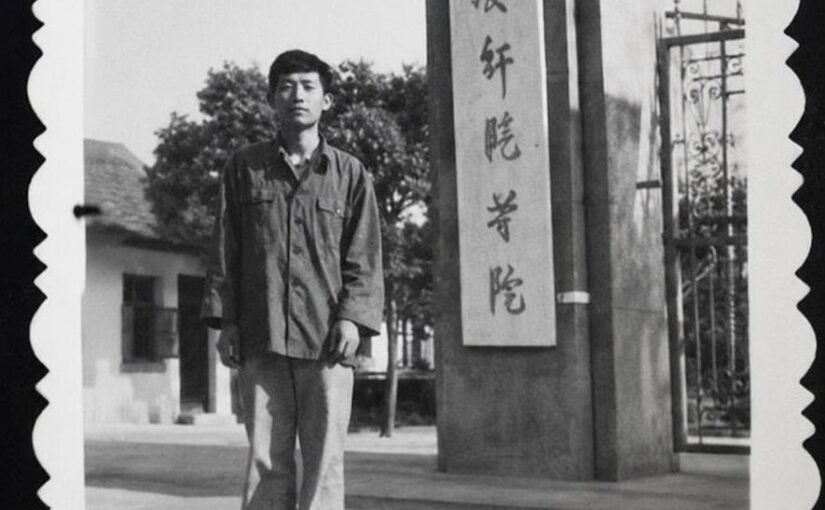
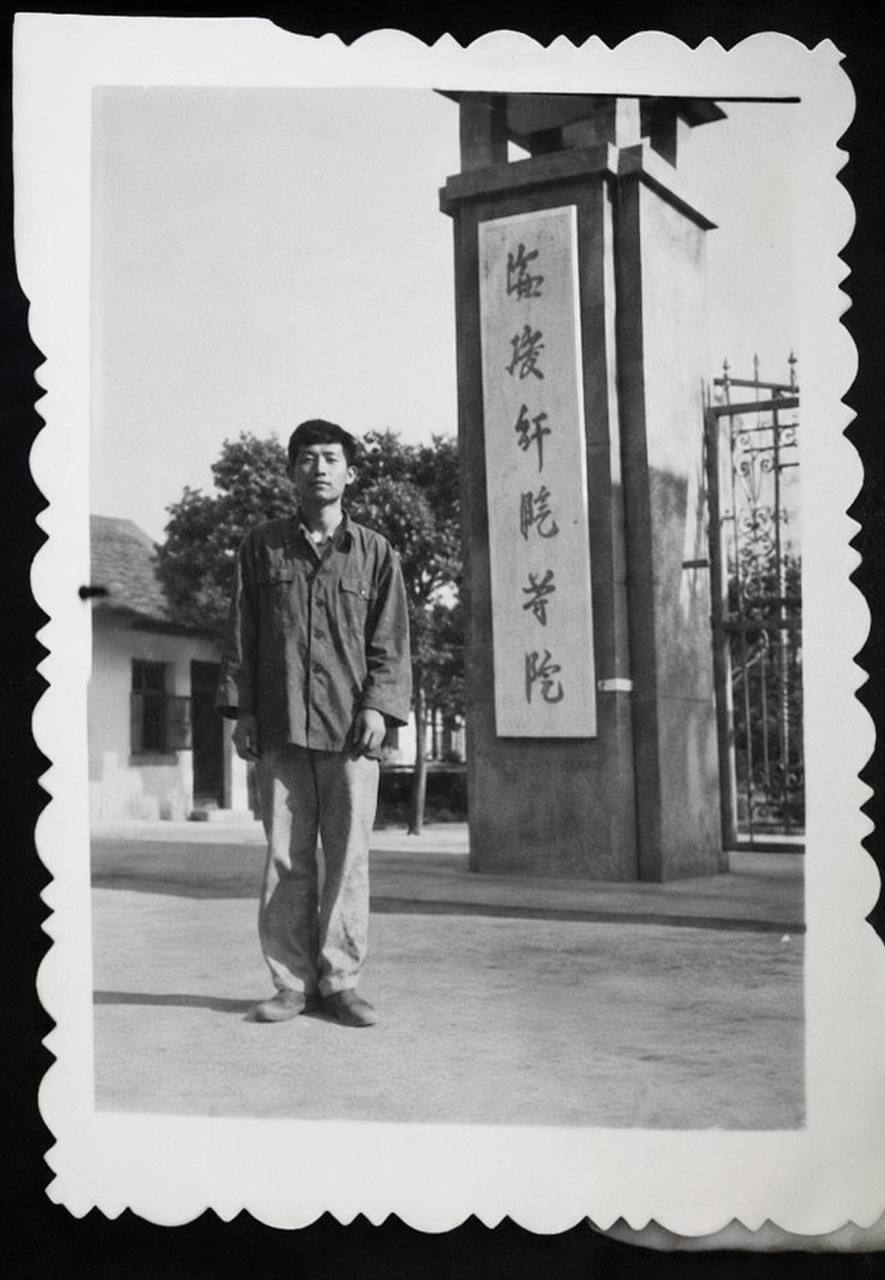
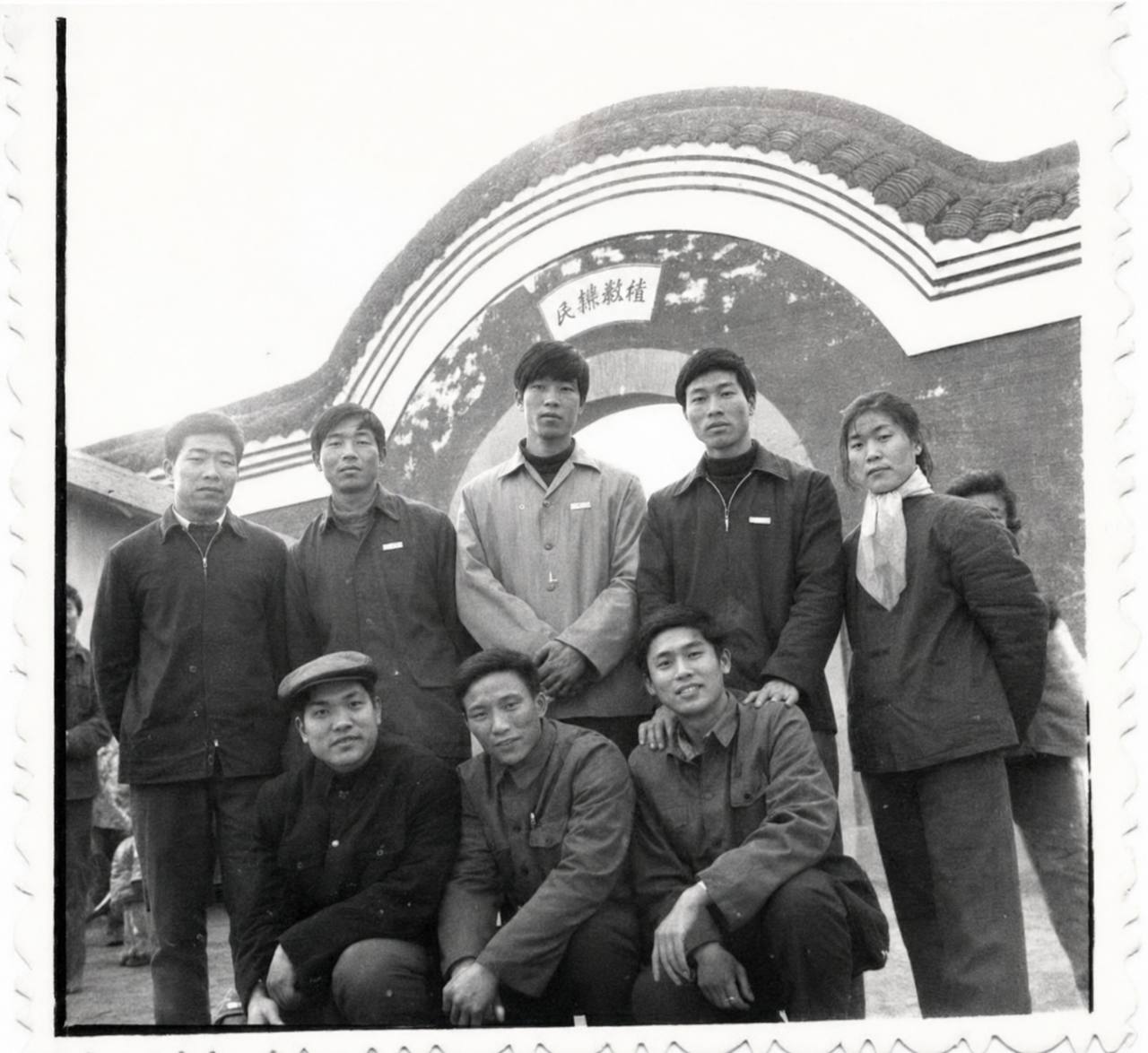
Dad always looked remarkably young for his age. I remember when I was starting university, he insisted on escorting me all the way to Anqing. We were the Class of '77, the first cohort admitted after the Cultural Revolution — society had accumulated nearly a decade of aspiring college entrants, so the incoming students spanned a wide age range, including the "old high school graduates" from before the turmoil, some 10+ years my senior. Dad accompanied me to the campus clinic for the new-student physical examination. The nurse pointed at Dad and said to me: "One at a time — wait until he's done, then it's your turn." She had mistaken Dad for a freshman, my peer LOL. That was how youthful and spirited he appeared.

Four years later when I graduated, Dad still couldn't rest easy and chose to come to Anqing to pick me up. He stayed on campus for a week, spending his idle hours playing Chinese chess with my "subordinate" — my lower bunkmate Lao Ding, who always called me his "superior." This bunkmate was from the pre-Cultural Revolution cohort, born in 1949, the same year as New China was born. Watching from the sidelines, Dad — who had graduated in the 1950s — truly seemed like one of our classmates, as if he were simply another member of our generation.

With Dad taking care of everything, I didn't have to worry about a thing. He helped pack my luggage, and after bidding farewell to our classmates and teachers one by one, we said goodbye to Anqing, crossing the Yangtze to catch a long-distance bus home. The ferry was delayed, and a quick calculation told us we were cutting it dangerously close. Miss this bus, and we'd have to return to Anqing for another day. Without a word, Dad hoisted every piece of luggage onto his shoulders the moment we stepped off the ferry and sprinted toward the bus station, half a mile away — charging ahead like a young man. And there I was, a strapping 21-year-old, empty-handed, gasping for breath, left far behind by Dad.

Dad never had the chance to attend a full medical college — he studied at a vocational medical school — yet the heights he reached over four decades of surgical practice are achievements few can rival. His secret? Boldness paired with meticulous care, relentless practice, and an unyielding devotion to study. I remember as children, whenever we came home to find our parents gone, we would always head to the operating room. Dad worked over ten hours a day, and at home he would immediately bury himself in medical texts — I rarely saw him rest. Over the years his reputation spread far and wide, and patients came seeking his care in an unending stream. Even when the relatives of the surgery department head at the next higher level of hospital needed an operation, they would come looking for Dad — only his "knife" gave them true peace of mind.

Doctors were respected, but they were also poor. In the Mao era, wages and prices remained frozen for decades. Dad earned 46 yuan a month, Mother 43 — a family income of 89 yuan supporting six people (including my maternal grandmother), enough for subsistence but little else. Life was hard, but we never thought of it that way. To be honest, we never felt hardship — even though at every meal, a household of that size would have just one or two small dishes to share. Everyone was poor, after all, and plenty of people couldn't even get enough rice to eat, surviving on gruel or dried sweet potato. Father's real dilemma was: where could he find the money to buy books? Those hefty medical tomes — Surgery, Orthopedics, and the like — were frightfully expensive, yet absolutely essential for his work. Who could have guessed that many of those books were purchased with blood Dad sold in secret? Three hundred cc of plasma at a time, at 30 yuan per draw — money that ordinarily would have taken six months to scrape together. One time Mom found out and was furious. Dad was so lean; she feared selling blood would ruin his health. But Dad would always say: the human body has its own hematopoietic mechanism — losing a little blood does no harm. And yet, what other option was there? No matter how refined his surgical skill, it couldn't be converted into cash. I remember that for a missed-meal allowance during surgery, the subsidy was just twenty cents — or sometimes they would provide a free bowl of shredded-pork noodle soup instead, which our parents couldn't bear to eat themselves and would bring home for us children.

Every era has its own way of living. Still, the thought of a celebrated physician, a man who pursued surgical excellence with unrelenting dedication, having no means to own medical books except by selling his own blood — such a thing, in all of history and across all nations, could probably only have happened under Mao. But I cannot say Father missed his era. Measured by professional fulfillment and spiritual satisfaction, that particular time and its particular circumstances gave Dad a rare canvas on which to work. A county-level hospital was like a blank sheet of paper, facing an endless stream of rural patients — people who had always lacked access to medical care and who possessed no financial means. Most such patients, if a county hospital could not treat them, would simply be left to live or die at heaven's mercy. Dad was one of the hospital's founders; he had full autonomy, and as much energy as he could muster translated directly into work — for decades, he performed several surgeries almost every day. I once knew a young rural doctor who, unable to find an outlet for his abilities, grew weary of medicine and switched to studying English education. Yet when the topic of Father's surgical skill came up, he was full of admiration: "Do you know? Your father is the most remarkable surgeon in the world. He can perform major operations that many provincial-level hospitals haven't even begun to offer." He explained some cases to me, which I didn't fully understand, but I knew in my heart that Dad was forever surpassing himself, climbing toward ever more complex surgeries. Later, when I asked Dad about it — which difficult operations he still wanted to attempt but couldn't — he said he had basically done everything within reach, but certain procedures, like microsurgery and limb reattachment, required equipment far beyond what a county hospital could provide. That, he could only regret.

Unlike the old bureaucratic establishments where "without money, don't bother entering," back then even impoverished farmers could afford surgery at the grassroots hospitals. As I recall, minor operations (like appendectomies) cost less than 10 yuan, mid-level operations (gastrectomies and the like) a few dozen yuan, and major procedures (heart, brain) just over a hundred. Of course, scraping together even that sum wasn't easy, but most families managed — by tightening their belts or selling the family pots and pans. The truly destitute could apply for assistance at the civil affairs bureau. This aspect of the pre-reform era deserves recognition. The fundamental reason for such low fees, naturally, was rock-bottom costs: doctors were state cadres on fixed salaries, with no additional expenditures.

Speaking of surgery — my own body bears one of Father's "masterpieces." When I was about ten years old, one morning shortly after breakfast, my stomach suddenly began hurting intensely. Dad came to examine me, pressed on my lower right abdomen, and asked if it hurt. "A lot," I said. He suddenly withdrew his hand, and a searing pain shot through me — tears streamed down my face. Father told me this was called "rebound tenderness," the classic sign of acute appendicitis, and said to prepare for surgery. Before noon he was helping me into the operating room. Having grown up watching operations, I knew an appendectomy was minor surgery and I wasn't afraid at all. But when it actually came time to get on the operating table, I absolutely tried to refuse. I mainly suspected a misdiagnosis — that I'd be cut open for nothing. I'd been perfectly fine that morning, had drunk half a bowl of congee, and I often had stomachaches anyway. This time, without any blood tests or other examinations — just a touch of my abdomen — and that was the diagnosis? The outcome, of course, proved my worries unfounded: the removed appendix was swollen like a little carrot, and because the surgery had been timely, it hadn't yet suppurated. Many surgeons refuse to operate on their own family members, fearing they'll be too tense. But Dad didn't trust anyone else and naturally performed the surgery himself, with Mom assisting at his side.

Normally, using conventional spinal or epidural anesthesia would have allowed a relaxed, unhurried procedure, but Dad, wanting to minimize post-operative reactions, insisted on using only local anesthesia. I could clearly perceive every step of the operation. Most appendectomy incisions are several inches long, but Dad made an opening barely an inch or two on my abdomen — so small that after closing, it required only two stitches, just enough to admit a single finger. What's more, unlike most incisions, Dad used a transverse cut, which added considerably to the surgical difficulty. Dad explained that a transverse cut follows the natural grain of the abdominal muscles, so the scar would be barely visible after healing (he was right — I've seen the scars from vertical incisions, which remain thick, red, and prominent long after healing, sitting there quite unsightly). The operation was a complete success: I went home the same day, and by the next day I could get out of bed and walk about gently. That said, there was a stretch during the surgery that truly hurt — I cried and wailed, which put enormous pressure on Dad. That was when he inserted his finger to try to capture the inflamed appendix. Hardly my fault — an inflamed appendix hurts even when you don't touch it. Fortunately, the pain didn't last long before Dad seized hold of it and quickly administered another dose of anesthetic. Later, Dad admitted that despite all his care, the incision point was slightly off, causing me more suffering than necessary. Being slightly off was no big deal; he could have simply enlarged the incision to compensate. But Dad insisted on the smallest possible opening, unwilling to leave me with a permanent large scar. I told this story to my daughter, and when she found my nearly invisible scar, she exclaimed: "Grandpa did a terrific job!" From then on, whenever her stomach hurt, she would cry out in alarm, suspecting appendicitis, and wouldn't rest until I checked that there was no "rebound tenderness." She even said that if she ever got appendicitis, she'd fly back to find her grandpa — she didn't trust American doctors: how many operations could they possibly have done? Grandpa had performed tens of thousands over his lifetime!

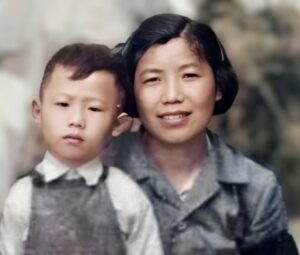
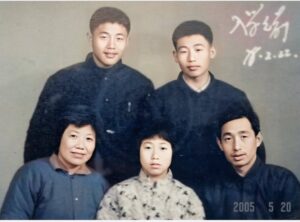
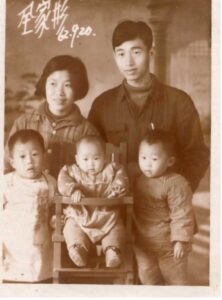
(Family Portrait, 1962)

Dad frequently made house calls to rural clinics and farmers' homes (as an obstetrics department head, Mom did the same). When an emergency demanded surgery, no matter the conditions, he would proceed. No electricity? Gather some flashlights, improvise, set up the operating table — saving the life came first. During the factional fighting of the Cultural Revolution in 1967, the two factions held their separate domains, with frequent clashes and occasional face-to-face combat. In the early days of street brawling, the weapons were still steel bars and cleavers; later they escalated to real firearms. The hospital was semi-paralyzed, located in territory controlled by the "Sweep Faction" — a radical mass organization calling itself the "Sweep the Black Line" group. Ideologically, Dad and Mom probably belonged to the moderate loyalist camp ("loyalist" meaning they opposed the purge of veteran cadres) and leaned toward the "Critique Faction" (the "Critique Alliance Group"), which had a loyalist tilt — though they took no part in its ideological or political activities. The Critique Faction's commander-in-chief had once been our neighbor, a strapping man. I remember that after assuming command, he wore a broad belt around his waist with a Mauser pistol holstered at his side — an image of martial splendor. It was this commander who quietly sent men to bring our entire family into the faction's headquarters; they urgently needed skilled medical hands to treat the wounded from the fighting. And so Dad set up a wartime surgical theatre — not unlike Dr. Norman Bethune's field hospital — and saved many lives.

In peacetime, the county hospital's white ambulance carried Dad, Mom, and our childhood to every corner of the county. When destinations were close, they would walk or bicycle to their patients. I remember when I was six or seven, our entire family moved to Hewan, a remote rural town, to support the village hospital for a year. Dad often bicycled out on night calls, sometimes taking me along. The sky was always so dark, and the route invariably passed through one or two cemeteries, the cold wind whistling overhead. Entering a village, we would hear dogs barking in waves. I would hide in Dad's arms on the front seat, often too frightened to open my eyes. After the treatment, beneath the dim glow of an oil lamp, the host would always cook two eggs in brown-sugar water and serve them steaming hot as a token of gratitude. Then, lighting the way with a flashlight, they would see us off — and I would be sound asleep long before we got home.

I was never very robust as a child, but at home I was sensible beyond my years — I would often volunteer to sweep the floor and wash the dishes. At school my grades were good, and I was the delight of my parents' hearts. At every major step of my life, from being sent down to the countryside to the oral examination for college entrance, from university registration to graduation and then graduate school interviews — until I was married and had a family of my own — Dad was always there, escorting and protecting me. Now that Dad had fallen ill, I was in a foreign land, unable even to bring him a cup of tea or water, unable to fulfill the most basic filial duties. Whenever I dwell on this, grief wells up from deep within.

But misfortune can turn into blessing. Dad's sudden illness led to early diagnosis and timely treatment, which was in his favor. What gives me comfort is that Dad received the best possible medical care, and most of the family was at his side looking after him. He recovered swiftly after the surgery, and the strength in his voice reassured everyone.

Dad is now semi-retired at home, still living modestly. He shows none of the signs of a man in his eighties — his life is orderly, his health robust, and he retains an eager curiosity for new things, handling a computer more adeptly than many young people. Beyond effortlessly consulting English-language medical literature, he has built up an English vocabulary over the years through extensive reading that rivals my own, even though I'm a "trained linguist." That his children have each found their own successful path is his greatest comfort. And the little stories of his grandchildren's growing up bring him abundant joy.


爸爸保重

朝华午拾 · 第六章

2007年我正在回访温哥华母校的路上,得知老爸突然大出血住院,行大手术。我远在天边,爱莫能助。无从床前伺候,共同面对风雨,深感愧疚。

父亲是我们全家的主心骨,大风大浪闯过来,人生很精彩。父亲操劳一辈子,一直退而不休,仗的就是身体好和心态好。

父亲比同龄人显得年轻很多。记得我上大学的时候,父亲不放心,一路送我到安庆。我们77级是文革后第一届大学生,社会上积压了近10年的高考大军,所以新生的岁数相差很大,包括一批被文革耽误的老三届高中生,比我年长10岁左右。父亲陪我到学校医务处做新生体检,护士指着我跟父亲说:一个一个来,等他检查完了,你再来。她把父亲当作新生了,可见父亲的年轻精神。

四年以后我毕业了,父亲还是不放心,来安庆接我,在学院住了一周,没事就跟我的"老下级"(我的下铺,因此总叫我"老上级")下象棋。老下级是老三届,49年生人,与新中国同岁。从旁观看,50年代就毕业的父亲真地象我们同学一样,仿佛我们中的一员。

有父亲照顾,我什么都不操心。父亲帮助把行李打包,我们与同学老师一一道别,就跟安庆说再见了,过江去赶长途公共汽车回家。轮渡误点了,一算时间非常紧张,一旦错过这班车,就不得不回安庆又耽搁一天。父亲二话不说,下了轮渡,把大小行李扛上,冲也似地往一两里外的汽车站赶,跟个小伙子一样。可怜我21岁正当年,空着手却气喘吁吁,被父亲远远抛在后面。

爸爸没有机会进入医学院,上的是医专,可他行医四十年所取得的成就,达到的高度,是常人难以企及的。靠的是,胆大心细,勤于实践,刻苦钻研。记得我们小时候,回家不见父母,总是到手术室去找。爸爸每天工作十多个小时,回家也是一头扎到医书里,很少见他休息。多年下来,名震四方,求医者络绎不绝。甚至上一级医院外科主任的亲属需要手术,也来找爸爸"这把刀"才觉得放心。

医生受人尊敬,但却是清贫的。在毛泽东时代,工资和物价均几十年不动。爸爸46元,妈妈43元,家庭收入89元一月,维持一家六口(加上外祖母)温饱,难有积余。生活苦点,倒也无所谓。其实我们从来也没有觉得苦,尽管每餐饭,一大家人才有一两碟小菜。反正大家都苦,还有很多人吃不饱饭,只能喝粥、吃红薯干呢。爸爸的难题是,到哪里去攒买书的钱呢?那些大厚本的专业书籍《外科学》、《骨科学》等,定价不菲,却是工作必不可少的。谁能想到,许多医书是爸爸瞒着家人卖血换来的。一次300cc血浆,当时的价格30元,这可是平时半年也难攒下的钱啊。有一次,妈妈发现以后非常生气。爸爸很清瘦,担心他卖血损害了身体。可爸爸总是说,人有造血机制,失点血无碍。不过,除此之外,还有别的办法么?医术再精湛,也变不了钱。记得手术误餐,当时的补贴也才两角,或者供应一碗免费肉丝面(爸爸妈妈舍不得吃,常常带回家给我们孩子吃)。

一个时代,一种活法。可是,一个享有盛誉、对医术精益求精的医生非卖血不能拥有医书,这样的事古今中外,大概也只有毛时代了。不能说,爸爸没有赶上好时代,从事业的追求和精神的满足看,那个特定的时代特定的条件,给爸爸一个难得的施展空间。基层县医院象一张白纸,面对的是源源不断的一向缺医少药、经济能力匮乏的农村患者。多数这样的患者基层医院不能救治,也就只好自生自灭,听天由命了。爸爸是医院的开创者之一,有充分自主权,有多大精力就有多少工作,几十年来几乎每天都有几台手术。我当年认识一位农村青年医生,由于不能施展,而厌倦行医,转报英文师专,当谈起爸爸的医术,却充满钦佩:"你知道么?你爸爸是世界上最了不起的医生。许多省立大医院尚未开展或普及的大手术,你爸爸也能做。"他给我讲解一些案例,我也不懂,但是心里明白,爸爸一直在超越自己,向越来越复杂的手术攀登。后来,跟爸爸谈起来,还有哪些疑难手术,想做而做不成。爸爸说,能做的差不多都做了,但是有些手术,比如显微外科,断肢再植等,对于器械要求太高,县医院没有这种条件,只好遗憾了。

跟"有理无钱莫进来"的衙门不同,当年在基层医院贫苦农民也能开得起刀:印象中小手术(阑尾摘除等)收费不到10元,中等手术(胃切除等)收费几十元,大手术(心脏、脑等)也不过百元。当然,凑足这钱也不容易,但是为看病节衣缩食,或砸锅卖铁,多数人还是想出了办法。对于特困户,可以到民政局申请补助。改开前时代的这一点,还是值得称颂的。收费低廉的根本原因,当然是成本底:医生是国家干部,拿固定工资,没有额外支出。

说到手术,我的身上也留有爸爸的"杰作"。我十岁左右,有一天早饭不久,突然肚子疼得厉害。爸爸过来检查,按住右小腹,问疼不疼,我说,"很疼"。他突然把手抽回,我一阵剧痛,眼泪都出来了。爸爸告诉我,这叫"反跳痛",是急性阑尾炎的典型症状,说准备开刀,不到中午就扶我进了手术室。从小看惯了开刀,知道阑尾摘除是小手术,我一点也不怕。可真要上手术台了,我却怎么也不愿意。主要是怀疑弄错了,白挨刀了。早上还是好好的,喝了半碗粥,我平时也常闹肚子疼,这次,也没有验血或做其他检查,摸摸小腹,就这样确诊了?结果自然是我多虑,割下的阑尾肿得象棵小胡萝卜头,因为手术及时,还没有化脓。不少外科大夫不给自己亲人开刀,怕太紧张。可爸爸不放心别人,理所当然亲自动手,妈妈在旁做助手。本来,如果使用常规腰麻或硬膜外麻醉,也可从容不迫,但爸爸为了术后反应小,坚持只使用局部麻醉,我能清楚知道手术的每一个过程。多数同类手术刀口总有几寸,可爸爸只给我开了一条一两公分的小口子(关腹后只缝了两针),刚够伸进一个手指。这还不算,跟多数刀口不同,爸爸用的是横切,这更增添了手术难度。爸爸说,横切符合人的腹部的自然纹路,愈合后刀疤不显(确实如此,我见过其他竖切手术的刀痕,愈合后很久仍然粗粗红红地立在那儿,很难看)。这次手术很成功,我当天回家,第二天就可下床轻微走动。不过,手术中有一阵确实很疼,我大哭大叫,给爸爸增加了很大压力。那是爸爸伸进手指试图捞取发炎的阑尾时。也不怪,阑尾发炎,不碰它尚且疼痛得很呢。好在疼得时间不长,爸爸就逮住了它,赶紧补上一针麻醉。后来,爸爸说,尽管费了心思,下刀之处还是略偏了点,使我多受了一些苦。偏一点没关系,如果把刀口加大点,也好办,可爸爸坚持尽可能小的口子,不愿意让我落下一个永久的大疤痕。我把这个故事讲给女儿听,她找到我的几乎看不见了的刀口,惊叹:"Grandpa did a terrific job!"。从此,她肚子一疼,就大叫,怀疑得了阑尾炎,非让我检查发现没有"反跳痛"才安心。还说,她要是得了阑尾炎,就飞回去找爷爷,可信不过美国的大夫:他们才开过几个刀,我爷爷一辈子开刀何止成千上万!

爸爸常常出诊到农村医院和农民家中(作为妇产科主任,妈妈也一样)。遇到急诊需要手术,不管什么条件,也要进行。没有电,就集中一些手电筒,因陋就简,搭起手术台,救命要紧。文革武斗那年(1967年),两派割据,常有摩擦,亦有短兵相接的时候:初期街头械斗,用的还是钢钎菜刀之类,后期可用上了真枪真炮。医院处于半瘫痪状态,并且地处"扫派"(叫"扫黑线",一激进派群众组织)掌控辖区。爸爸妈妈思想上大概属于温和保皇派("保皇"即反对揪斗老干部),倾向有保皇色彩的"批派"(叫"批联部"),但并不参与其意识形态和政治生活。批派的总司令曾是我家的邻居叔叔,身材魁伟。印象中担任司令以后,他腰扎宽皮带,挎盒子枪,好不英武威风。是总司令派人悄悄把我们全家请到这一派的大本营里,他们急需医疗好手救治武斗中的伤员。于是爸爸搭起战时手术台,就跟白求恩的战地医院似的,也救了不少人的命。

和平岁月,县医院那辆白色救护车,载着爸爸妈妈和我们的童年跑遍了全县每一个角落。如果路近,也步行或骑自行车出诊。记得我六七岁的时候,全家去偏远乡镇河湾,支援农村医院一年。爸爸晚上经常骑车出诊,有时也带着我。天总是那样黑,也总要经过一两个墓地,头顶冷风飕飕。进入村子,总有此起彼伏的狗吠声。我躲在车前座爸爸怀中,常常不敢睁开眼睛。看完病,在昏黄的油灯下,主人总要用红糖水煮两个鸡蛋,热气腾腾端上来,款待我们。然后,照着手电,送我们上路,而我不等到家,就已经睡熟了。

我从小身体不大好,小时候在家很懂事的样子,常主动要求扫地洗碗,在学校成绩也好,很讨爸爸妈妈的欢心和疼爱。直到结婚成家前,我生活的每一大步,从下乡插队到高考口试,从大学报到到毕业离校再到研究生面试,都有父亲陪同呵护。如今父亲病倒了,我却远在异国他乡,不能端茶递水,略尽孝道。每念及此,不由得悲从中来。

坏事变好事,父亲这次急病倒下,对病情的早期诊断和及时治疗有利。得以宽心的是,父亲得到了最好的医疗条件,家人也多在身边照顾。父亲术后恢复很快,说话很有底气,全家人都松了口气。

爸爸现在半退休在家,依旧清贫。一点不象80多岁的老人,生活有条不紊,身体健康,仍保持对新事物的好学之心,电脑玩得比许多年轻人还熟。除了熟练查阅英文专业资料外,长年博文强识,普通词汇量跟我这英语"科班"出身的也有一比。子女各自发展,是他最大的安慰。孙儿辈的成长花絮,更给他带来欢乐。


From 朝华午拾. Original Chinese: 爸爸保重.

朝华午拾 — Ch.5: Memories of My Grandmother / 外婆的回忆

Nearly half a century has passed since my grandmother left us, yet her gentle, kindly face still often comes to mind.

My parents, both doctors, were far too busy with their work. So when their first child was born, Grandmother came to help — and from that day forward, she looked after us three children for fifteen years, until the day she died. I'm told my elder brother was a restless infant. Grandma had to rock his cradle without a moment's pause, humming lullabies the whole time. If she nodded off for even a second and the rope to the cradle went slack, he would wail at the top of his lungs. She later said that child wore her out so thoroughly that she was still anxious when I arrived two years later. But to her surprise, I turned out to be a remarkably quiet baby — I never cried at all. The trouble with me was that I was pitifully frail, constantly falling ill. Every sickness brought vomiting, often with high fever. I had night blindness too, and worst of all, a rectal prolapse that made every trip to the toilet agonizing and messy. Grandma would have to carefully push the prolapse back in each time. She had given birth to ten children in her lifetime, more than half of whom had died young. Looking at me, she worried constantly that I wouldn't survive either. Fortunately, being born into a doctor's family meant I received prompt treatment whenever I fell ill, and with Grandma's devoted care, I slowly made it through my sickly childhood. A child blessed with a grandmother's care is a fortunate child. Grandma kept our home immaculate and orderly, with hot meals always ready. Our childhood was carefree, and our parents, freed from domestic worries, could pour themselves completely into their work, day and night.

Grandma was a woman of the old order — she had bound feet, had never been to school, spoke little, and possessed a gentle disposition. I never once saw her lose her temper. For over a decade, her life followed the same steady rhythm: she never left the house, diligent and unassuming, asking nothing of the world, and all our neighbors sang her praises. Every morning before dawn, Grandma would rise, wash, and dress herself with care — always neat and tidy as she began the day's work. Looking after the children, cooking, never a moment's rest. In her rare spare time, she would sit by the door and stitch shoe soles. She would paste together scraps of cloth, dry them in the sun, then sew them with endless stitches into firm, solid soles — every cloth shoe our whole family wore was made by her hands. After she passed, she left behind a large box of soles that we continued to wear for years, until eventually we began buying plastic-soled shoes instead.

Each month, my parents gave Grandma three yuan as pocket money for us children. She was tight-fisted with it — she had to make it last all three children to the end of the month. I remember I could coax two or three fen out of her each day, and I would often go to the street vendor to buy a small steaming hot sweet potato, then come home and share it with my little sister. I told this story to my daughter, and she loved it — she brings it up now and then with a laugh: "When you were my age, sweet potato was only two cents a piece, and you always asked Granny — that's my Great Granny — for two cents to buy one and share with my auntie GuGu, but never with my uncle DaBai."

I remember during the mass travel of the Cultural Revolution, my father and mother joined the tide and went to Shanghai and Hangzhou for over a week. When transportation broke down and they couldn't get home on time, Grandma was left alone with the three of us. Every day the loudspeakers in the street blared out chaotic news — it felt like the world was falling apart. In those days there was no way to get word of travelers' whereabouts, and the whole household waited with straining eyes. Grandma grew desperate and began to weep. When we children saw her crying, we all cried too — young and old alike, terrified of losing our anchor, weeping together in a heap. Even the neighbors wept with us.

The second year of the Cultural Revolution, because Grandma was classified as a "landlord" by origin, the hospital's Rebel faction ordered her to stand in the street every day, hanging a sign around her neck that read "Counter-Revolutionary Landlord Woman." Poor Grandma, trembling on her bound feet, forced to endure such humiliation. This left a deep wound on us children — we simply could not reconcile our kind, gentle grandma with the image of a hated landlord's wife. Fortunately, my parents sensed things were turning dangerous and quickly decided to send Grandma back to her home village to hide. They specially asked Uncle Xu, our family's most trusted friend and a three-generation "poor peasant", to escort her on the journey. When Uncle Xu returned, he told us that Grandma could not comprehend what was happening, and could not bear to leave the three grandchildren. Heartbroken and wronged, she wept the entire way. They traveled by bus, crossed a river by ferry, transferred to a train, then took a small steamer across Lake Chao — and finally had to walk ten li on foot to reach the village. That last walk took an entire day, and she nearly collapsed from exhaustion.

It was a blessing that Grandma was sent home when she was, because the situation soon deteriorated dramatically — armed factional fighting broke out. First, the young Red Guard factions — the "Criticize the Liaison Group" and the "Sweep Away the Black Line Group" — fought street battles with steel spikes and daggers. One clash took place right in front of our house. I remember we were terrified and fascinated at once. We children climbed up to the second story of one of the courtyard houses and watched through the street-facing window. I was timid; I only stole one glance — I saw the two sides facing off with steel pikes — then heard shouts of slogans and the sounds of combat. This was just the early phase of the armed struggle. Later, the two factions set up separate territories and began using real guns and cannons; we would often hear gunfire at night. Our whole family was secretly moved to the headquarters of the "Criticize the Liaison Group", and my parents became the core doctors at that faction's wartime hospital.

When the "Revolutionary Great Alliance" was formed and the factional fighting stopped, my mother brought Grandma back, and we resumed our daily life together. In the months Grandma had been gone, when we came home from school, the door was always locked. We wore keys around our necks and often had to go to the operating room to find our parents and wait until they finished surgery before we could go home. Only when Grandma returned did the house feel like a home again — life became settled and ordered.

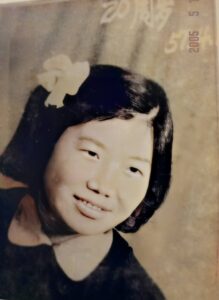
Two photos capture this chapter in our family story. The first shows Grandma as I remember her — serene, dignified, in a traditional collar. The second is a family portrait from 1969: all of us, including Grandma and our young aunt, along with our dearest neighbors Mama He and Sister Xiaohui, gathered before the front door of our home.

I was thirteen when Grandmother developed oral cancer — a tumor the size of a goose egg swelled on her right cheek. When it first appeared, we children would often stroke it gently with our small hands, hoping it would slowly disappear. But the tumor only grew larger. Grandma herself said: "This is a poison tumor — I may not recover." In her final days, my uncle and cousin both came from the home village; it was my uncle who mainly tended her bedside. I heard Grandma murmur, "My children are all here now. It's time to go."

When Grandma died, the record said she was seventy-one, but her real age was probably sixty-nine. I remember she once told me she had added two years to her age, adopting my grandfather's age, as a way to remember him. My grandfather had died of starvation in the home village the year I was born, in 1960 — just like my paternal grandfather and my aunt on Dad's side, a victim of the Great Leap Forward. Grandmother never spoke of my grandfather's story, but you could see that she carried his memory with her, silently, in her heart, all those years.

— Written on September 22, 2007, on the eve of the Mid-Autumn Festival


外婆的回忆

我的外婆去世已经快半个世纪年了,可她老人家的慈祥音容仍时常浮现在眼前。

作为医生的父母工作太忙,所以第一个孩子一出生外婆就来帮忙,从此看顾我们三个孩子15年,直到她去世。据说我哥哥小时候不老实,外婆只好摇着摇篮,哼着催眠曲,不敢稍有懈怠,有时候一个瞌睡过去,摇篮牵绳的手一停,他便大哭大闹。外婆说,这孩子带得太辛苦,到两年后我出生的时候,她还后怕。没想到,我小时候乖极了,从不哭闹。就是可怜兮兮的,老害病,每病必吐,常伴有高烧。还有夜盲症,最要命的是脱肛的毛病,每次如厕十分痛苦,一片狼藉,外婆要小心翼翼把脱肛顶回去。外婆一辈子生养过10个儿女,夭折过半,看我这样子,老担心我活不长。还好,因为是医生家庭,有病能及时处理,加上外婆的悉心照看,我慢慢度过了病孱的童年。有外婆照顾的孩子是幸福的,外婆总是把家整理得井井有条,热饭热菜,我们的童年无忧无虑,父母也因此可以没日没夜全力扑在工作上。

外婆是旧式妇女,小脚,没念过书,少言寡语,性情温和,从来没见过她发脾气。外婆的生活十几年如一日,足不出户,刻苦本分,与世无争,街坊邻居无不夸赞。每天一大早,天还没亮,外婆就起床,开始梳洗,她总是把自己收拾得干干净净,开始一天的劳作。看孩子,做饭菜,一刻不停。稍有空闲,她就坐在门前纳鞋底。她把碎布条用浆糊黏上晒干,一针一线纳成结结实实的鞋底,我们全家大小的布鞋都是她老人家做的。一直到她去世,留下的一大箱鞋底,我们还穿了好几年,后来才开始买塑料底的成品鞋穿。

父母每个月给外婆三块钱,作为我们孩子的零用钱。外婆手很紧,因为她要保证这零用钱维持三个孩子到月底。记得每天可以从外婆那里讨来两三分钱,我常常到街头买来一个热腾腾的小红薯头,回家跟小妹分享。这个故事我跟女儿讲,她很爱听,不时拿出来说笑一番:when you were my age, sweet patato was only two cents a piece and you always asked Granny, that is my Great Granny, for two cents to buy one and share with my antie GuGu, but never with my uncle DaBai.

记得文革初期大串联的时候,爸爸妈妈也随大流去上海杭州串联了一个多星期,由于交通堵塞不能按时回家。外婆带我们三个孩子在家,每天听高音喇叭传出各种消息,给人兵荒马乱的感觉。当年通讯不便,行踪无从打听,一家大小望眼欲穿久等父母不回。外婆急了,开始垂泪,我们孩子看见外婆哭了,也都哭了,一家老小怕失去依靠而哭成一团,连邻居也陪着掉泪。

文革第二年,外婆由于地主成分,被医院造反派勒令每天挂"反革命地主婆子"的牌子站街示众。可怜外婆小脚,哆哆嗦嗦,却要受此羞辱。这对我们孩子刺激很大,我们无论如何也无法把慈祥的外婆跟可恶的地主婆联系起来。还好,父母感觉形势不对,很快决定送外婆回乡下老家躲避,特地请我们家的至交三代老贫农的徐叔叔一路护送。徐叔叔回来说,外婆无法理解发生的一切,又舍不得三个孙儿,委屈伤心,走一路哭一路。乘汽车,过轮渡,转火车,再乘小轮穿过巢湖,最后要步行10里才到老家。最后那步行,走了一整天,人几乎瘫软。

幸亏送外婆回了老家,后来的情势越来越遭,武斗开始了。先是两派小将("批联部"和"扫黑线")拿钢钎匕首在街头械斗。有一场械斗就在我家门前,还记得我们又害怕又好奇,几个孩子爬到院子里一家的二楼上,透过临街的窗户观战。我胆子小,只瞄了一眼,看见双方手拿钢钎对峙的样子,然后听到口号声和厮杀声。这还是武斗初期,后来双方割据,拿起了真枪真炮,常常夜里听到枪响。我们全家也被秘密转移到批联部的司令部去了,我父母因此成了批派战时医院的核心医生。

革命大联合的时候,武斗停止,妈妈把外婆接回来了,我们恢复了跟外婆朝夕相处的日子。外婆没来的时候,我们放学回家,家里总是锁着门,我们脖子上挂着钥匙,常常要到手术室去找父母,等父母手术完回家。外婆来了,家才象个家,生活安定而有秩序。

全家包括外婆和老姨,以及邻居至友何妈妈小卉姐在家门前合影,1969
我13岁那年,外婆患口腔癌,右腮长出鹅蛋大一个瘤子。记得瘤子刚起的时候,我们经常用小手抚摸,希望它慢慢消失。可是,那瘤子还是越长越大,外婆自己也说:这是个毒瘤子,怕好不了了。外婆临终前,舅舅和表哥都从老家赶来,最后几天主要是舅舅在床前伺候。我听外婆喃喃说,儿女都在身边,该走了。

外婆去世那年说是71岁,可实际年龄应该是69。我记得外婆生前跟我说过,她虚报了两岁,用的是外公的年龄,为的是做个纪念。外公在我出生的1960年,在老家饿死,跟我爷爷和姑姑一样成为大跃进的殉葬品。外婆虽然从来没有提过外公的故事,可以看出她一直默默在心中纪念着他。

记于2007年九月二十二日中秋节前夕


From 朝华午拾. Original Chinese: 《朝华之五:外婆的回忆》.


朝华午拾 — Ch.3: The Little Red Guards / 红小兵

Morning Glory — Ch.3: The Little Red Guards

Before my career began, family and society shaped our character and worldview. 

**"Forever Be Chairman Mao's Little Red Guard"**

When the Cultural Revolution began in 1966, I was in the first grade, six years old. More than half a century later, some memories remain as vivid as yesterday.

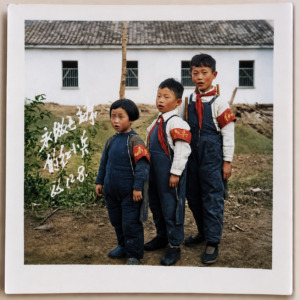
The three of us siblings, wearing our Little Red Guard armbands, photographed in December 1966.

When the campaign to topple Liu Shaoqi began, the first thing I noticed was Liu's official portrait pasted upside down on the street-facing wall, marked with a red cross. Soon after, more and more long banners appeared across the main street: "Burn Liu Shaoqi!" "Deep-fry Liu Shaoqi!" Then, as negative teaching material, they screened the documentary *Liu Shaoqi Visits Indonesia*. The female narration was syrupy sweet, addressing him as "Chairman Liu" and "Jakarta" in every other breath — to my ears, she sounded like a female spy. Her voice was constantly drowned out by the slogans erupting from the audience: "Down with Liu Shaoqi, Defend Chairman Mao!" "Smash the arch-traitor, arch-spy, arch-scab Liu Shaoqi to the ground and trample him underfoot, never to rise again!" Wang Guangmei on screen was dressed conspicuously well, fitting the standard definition of a bourgeois stinking woman. Later, I saw several living newspaper dramas lampooning Liu — his features caricatured into a long horse face, a high-bridged nose, the classic villain's profile. I also remember a living newspaper piece called *Burning Down the British Chargé d'Affaires Office*, which portrayed the Capital Red Guards, righteous in their fury at British imperialism, acting with militant resolve to set fire to the British Embassy — an act of collective heroism (in reality, this was an extremely serious diplomatic incident that caused Zhou Enlai immense trouble and lasting fallout). I still recall the stage effect when they set the fire: they seemed to hurl a torch into the embassy, followed by a loud bang and a plume of thick smoke. I was in the front row and choked on the smoke, coughing hard, and I was genuinely startled. The artistic creativity of the revolutionary masses, producing such vivid stage realism, left a deep imprint on the mind of a six-year-old me.

Around this time came the campaign to "Destroy the Four Old's" (old ideas, old culture, old customs, old habits) and establish the Four New's. Every household voluntarily surrendered items suspected of being "Four Old's" — copper coins, bracelets, ornaments, even ceramic toys of cats and dogs — to be publicly destroyed. The stone lions beside the stone bridge were toppled into the ditch by the young Red Guards; since they couldn't be smashed, chisels were used to disfigure them. The influence spread far: by early 1967, a "Revolutionary Spring Festival" was mandated. Adults had no holiday — they must persist in "grasping revolution and promoting production" — while all New Year celebrations and entertainments were cancelled. Even the traditional four-corner red envelope money for children was voluntarily suspended.

Some elderly people, lifelong habits unbroken, still called matches "foreign fire" and iron nails "foreign nails." These old terms originated in the pre-revolutionary era when China could not even produce matches and nails domestically and had to import them. But by 1966, such old terms could bring trouble. I once saw a tiny-footed old woman totter into a small shop and ask for "foreign fire." The shop assistant replied coldly: "Don't have any." When the old woman pointed to the goods on the counter, the assistant erupted in fury.

Before armed struggle erupted, great debates — the weapon of literary struggle — became prevalent. Even elementary school students debated each other, often turning red in the face. I was too young to get a word in, but I loved listening. What they debated I mostly can't recall, except for one recurring topic: the dialectical relationship between family background and individual performance. The affirmative position was "Heroes beget heroes," while the opposition stressed "What matters is personal conduct." Both sides seemed righteous and indignant, both could quote Chairman Mao's quotations, both seemed to have good arguments. Later, my elder brother took the lead in forming a Little Red Guard revolutionary organization (with a fifth-grader serving as strategist behind the scenes), calling it the "Dagger Squad." Every grade had its representatives. Through this connection, I too was honorably swept up in the revolutionary movement — duties like carrying the paste bucket for the young fighters putting up big-character posters. I remember my brother and his comrades setting up a "Dagger Squad Office" at a table in the corridor of my father's hospital. The squad's most glorious exploit, the one I remember most clearly, was an assault on a school meeting. The squad learned that the school leadership was holding a faculty meeting at seven in the evening and decided on a surprise raid. I had the good fortune to follow my brother on this revolutionary action. I remember the meeting was in progress when the squad burst into the room, shouting: "What kind of black meeting are you holding here?" The leaders, seeing it was a bunch of children, didn't know whether to laugh or cry, and explained that this was a routine school affairs meeting. The squad leader declared: "Then we're attending too." Some leader apparently advised that a work meeting wasn't convenient for students. That set off an explosion. The young fighters, each more righteous than the last, delivered their rebuttals: We are Chairman Mao's Little Red Guards — if we don't attend, who will? You hold black meetings behind the backs of the revolutionary young fighters — how poisonous your intentions must be! Not only will we attend, we demand you honestly hand over all previous meeting records. If you dare not disclose your meeting records, you must have unspeakable criminal aims, and we will rebel against you. And so on. I remember the school leaders finally conceded, agreeing that young fighter representatives could attend all faculty meetings. I was as excited as everyone else, filled with the pride of this initial victory in struggle. Unfortunately, I suffered from night blindness at the time, and on the way back my vision went completely dark. An older girl from a higher grade held my hand and walked me home (my brother, as rebel leader, stayed behind to discuss the next phase of the struggle strategy). This revolutionary action enormously boosted the young fighters' morale and opened the prelude to rebellion against the elementary school leadership, soon followed by a flood of big-character posters exposing the schemes of the capitalist-roaders.

In the early days of the Great Revolution, the three of us siblings, led by our brother every day, would stand before the Precious Book platform for morning pledges and evening reports — earnest and ceremonial, and we kept it up for a long time.


朝华午拾 · 红小兵

职业生涯之前,家庭和社会塑造了我们性格和世界观。父母是天,兄妹是我的依靠和牵挂。

"永做毛主席的红小兵"

一九六六年文革开始的时候,我在小学一年级,六岁。半个多世纪了,有些记忆依然清晰如昨。

兄妹仨臂佩红小兵袖章摄于文革1966年12月8日。

打倒刘少奇的时候,最先是看到临街墙上把刘主席的标准像倒贴过来,打上红叉。后来,看到越来越多的长幅标语在大街上,"火烧刘少奇","油炸刘少奇"。接着,作为反面教材,放映了纪录片《刘少奇访问印度尼西亚》,片子里面的女音讲解,甜腻腻的,一口一个刘主席和雅加达,当时听起来觉得象女特务,不断被场内此起彼伏的口号声淹没:"打倒刘少奇,保卫毛主席!""把大叛徒、大内奸、大工贼刘少奇打翻在地,并踏上一只脚,叫他永世不得翻身!"电影上的王光美,打扮得很光鲜,符合资产阶级臭婆娘的标准定义。再后来,看到过几个批判刘少奇的活报剧,刘的形象被脸谱化,马脸,高鼻子,一副奸臣像。记得同时还有一个活报剧《火烧英国代办处》,演的是首都红卫兵,对英帝国主义义愤填膺,同仇敌忾,机智果断纵火焚烧英国大使馆的光荣业绩(这是一起非常严重的外交事件,给周恩来的工作带来很多麻烦和后遗症)。还记得,舞台上演纵火时的场面,好像是把火把往使馆内一扔,砰一声炸响,一股浓烟就冒出来,我在前排,呛得直咳嗽,也吓了一大跳。革命群众的艺术创造力所造成的舞台逼真效果,在一个六岁孩子幼小的心灵里刻下了深深的印记。

这前后的破"四旧"(旧思想、旧文化、旧风俗、旧习惯),立四新,我们各家各户主动把涉嫌四旧的物品,比如,铜钱、手镯、装饰品,甚至小猫小狗的瓷玩具,统统缴公销毁。石桥旁的石头狮子也被红卫兵小将推倒在河沟,因为实在砸不烂,就用凿子破相。影响所及,67年初要求"过革命化的春节",大人没有节假,坚持抓革命、促生产,同时取消了所有过年的庆祝和消遣活动,连四角压岁钱也自觉停止发放了。

当时有些老人一辈子的习惯改不了,仍然称火柴为"洋火",铁钉为"洋钉"等。老称呼源于旧中国日常生活品连火柴和铁钉都无力生产,需要进口。可是到了66年,这些旧称呼会带来麻烦。我就看到过小脚老太太颤颤巍巍到小卖店要买"洋火",营业员冷冷一句:"没有"。当老人指着柜台里面的商品,营业员就大发雷霆。

武斗开始之前,用于文斗的大辩论开始盛行,连小学生也互相辩论,往往争得面红耳赤。我太小插不上嘴,但是很愿意旁听。辩论什么大多记不清了,但是有一个题目是反复辩论过的:家庭出身和自我表现的辩证关系。正方的论点是"老子英雄儿好汉",反方强调"重在个人表现"。感觉双方都义正词严,都懂得引用毛主席语录,似乎哪一方都很有道理。

后来,我哥哥领头成立红小兵革命组织(背后有个五年级的孩子做军师),叫"匕首小分队",其中各年级都有代表。由于这层关系,我也光荣卷入革命运动,比如给贴大字报的小将提浆糊筒之类。我印象我哥哥一伙还在我父亲的医院走廊尽头,摆了张桌子,设立了"匕首小分队"办事处。小分队的光荣事迹记得最清楚的,是一次大闹会场的事件。小分队得知晚上七点学校领导开教务会议,于是决定来个突然袭击。我有幸跟着哥哥参加了这一革命行动。记得会议进行中,小分队一行冲进屋内,叫道:"你们这是开的什么黑会?"领导看是一帮孩子,哭笑不得,解释说,这是例行的校务工作会议。分队头头说:"那我们也要参加"。好像是某领导劝告说,工作会议,学生参加不方便。这一下炸了窝,小将们个个义正词严予以驳斥:我们是毛主席的红小兵,我们不参加谁参加?你们背着革命小将开黑会,用心何其毒也。我们不但要参加,还要你们老实交出以前会议的所有记录。你们不敢公开会议记录,就肯定有不可告人的罪恶目的,我们就要造你们的反。诸如此类。记得校领导最后让步,同意小将可以派代表参加所有校务会议。我跟大家一样兴奋,充满了斗争初步胜利的豪情。不过,倒霉的是我当时患有夜盲症,回来路上,两眼一片漆黑,是由一位高年级大姐姐,牵着我手送我回家的(哥哥作为造反派头头留下来商量下一步的斗争策略)。这次革命行动极大地鼓舞了小将的斗志,拉开了向小学领导造反的序幕,紧接着是铺天盖地的揭露走资派阴谋的大字报。

大革命初期,我们兄妹三每天在哥哥带领下,在宝书台前,早请示,晚汇报,煞有介事,坚持了很久。


From 朝华午拾. Original Chinese: 《朝华之三: 红小兵》.

朝华午拾 — Ch.2: A Scholarly Family / 书香门第

A Scholarly Family

Ever since Qu Yuan, Chinese literati have been fond of tracing their ancestry to illustrious roots — "descendant of Gaoyang the Divine Emperor" and such declarations — to signal their noble bloodlines. When I was compiling and editing A Collection of Master Li's Posthumous Writings: Prefaces, I came across this passage in the first piece, "Preface to the Li Family Genealogy," explaining the origin of the family name Li:

"The forerunners of the Li clan, surnamed Ying, traced their descent from Gaoyang of the Zhuanxu lineage. One descendant, Gao Yao, served as Grand Justice (Dali) under Emperor Yao, and the family adopted 'Li' (理, meaning 'principle' or 'justice') as their surname from the title. During the reign of King Zhou of Shang, a descendant named Li Zhen fled with his mother to the lost land of Yihou. Starving, they survived by eating plums (李, li) from the trees. To evade King Zhou's persecution, they changed their surname from 理 (Justice) to the homophonous 李 (Plum), and their descendants have borne this name ever since."

In my earlier, more perfunctory readings of the Posthumous Writings, I had mostly skipped Master Li's abstruse classical prose, drawn instead to the more accessible "modern writings" of my two granduncles in the appendix. As a result, I never registered this origin story. But my daughter once asked me: "Dad, you said our family name Li means plum — how come? Does that mean we Li family like plums in particular?" I had no idea whether the surname Li was actually connected to the fruit, so I dodged the question and told little Tiantian instead that statistically, Li had risen to become the most common surname in China — and perhaps the world. Even in our tiny Buffalo office there were two Uncle Li's — one of Korean descent. But eight hundred years ago, we were all one family.

Master Li's own account of this family history — the fall from officialdom, the change from 理 to 李, the "pointing at the tree and taking its name" — struck me as too sparse. So I searched online and found a fuller treatise, On Gao Yao, Blood Ancestor of the Li Surname. It turned out that the primogenitor Gao Yao served Emperor Yao and Shun as Grand Justice — a minister of incorruptible integrity, whose achievements in statecraft were so esteemed that Emperor Shun personally named him his successor. Even Confucius honored him as one of the Four Sages of antiquity. In ancient China, officials took their office titles as surnames, hence 理氏 (the Li of Justice). Tragically, Sage Gao Yao died before ascending the throne. Generations later, under the depraved King Zhou of Shang, a descendant named Li Zheng served as Grand Justice with the same upright character — and for his honesty, the debauched king had him executed. His wife Qihe fled with their young son Lizhen to the lost land of Yihou (in present-day Henan). Starving, they spotted fruit on a tree and ate to survive. Afraid of the king's pursuers, Lizhen dared not keep the surname 理. In gratitude for the "wood-seed" (muzi, 木子 — the character parts that combine to form 李) that saved them, he changed the family name to Li. From this seed, the Li lineage — the largest family name under heaven — branched and flourished across generations.

I told my daughter: not only do we come from a scholarly family, we are the direct descendants of Sage Gao Tao himself.

Master Li — Li Xiansheng, courtesy name Xuexiang — was my great-grandfather. A Collection of Master Li's Posthumous Writings, compiled in vernacular classical Chinese (also called "modern classical style"), gathers his surviving works — poems, lyrics, celebratory couplets, elegies, prefaces, and miscellaneous essays — transcribed by his disciples and privately published in the 1930s.

The Posthumous Writings also includes works by my two granduncles: elder granduncle Li Yingwen and younger granduncle Li Yinghui. My great-grandfather was exceptionally open-minded about education, selling off family land to send his sons (my granduncles) to study in Japan. My own grandfather (Li Yingqi, the second son), however, was kept at home to manage the family estate, forfeiting the chance for overseas education. It's said that every year, my grandfather would travel to Nanjing to remit money from land sales to his two brothers in Japan. In the early 1920s, the two granduncles returned with law and political science degrees from Meiji University — rare credentials for that era, and a springboard for significant careers. That their subsequent achievements remained relatively modest (disproportionate to their education) and confined to the local sphere, I attribute to three factors: first, the times were harsh, with China in ceaseless turmoil from war and upheaval throughout the early 20th century; second, my great-grandfather was indifferent to fame and fortune, urging his children to carry on the family mission of local education rather than venture into the wider world; third, both granduncles suffered from poor health — they lacked the physical constitution for "revolution." Elder Granduncle Yingwen was bedridden for years, and it was country life that gradually restored his health. Younger Granduncle Yinghui died tragically young. Yet their writings reveal open minds deeply engaged with the issues of their day. Besides rustic pastoral pieces like "Li Yingwen — Elegy for a Dead Dove," they also produced fiery patriotic works, such as "Li Yinghui — Manifesto of the Anti-Japanese Association (Modeled on the Denunciation of Empress Wu)" and "Li Yingwen — Preface for Wang Joining the Volunteer Army."

My grandfather died in the great famine of my birth year — a calamity that was three-tenths natural disaster, seven-tenths man-made catastrophe. Among the three brothers, only Elder Granduncle Yingwen was fortunate: he passed away peacefully at home in 1965, surrounded by every Li family descendant who had gathered for a grand funeral (see the family photograph below). I still remember each of us grandchildren, after the coffin was lowered, taking turns to scoop up a handful of yellow earth. As an enlightened gentry figure and a "united front target," Granduncle Yingwen had been treated with courtesy by the local government and was even elected as a county representative to the People's Congress, thus escaping the reach of political campaigns. That he departed this world the year before the Cultural Revolution began was an even greater stroke of fortune — otherwise, given the complexity of his personal history, he would have suffered terribly in that great upheaval. My maternal grandmother, who raised us through those years, was dragged out and struggled against during the Cultural Revolution, forced to wear a "Landlord Element" placard every day, subjected to humiliation that cast a lasting shadow over our childhood.

The above accounts for my "scholarly family" background — except that by my father's generation, the family fortune had seriously declined. Beset by foreign invasion and civil war, the country was in chaos, and life grew harder each day. My father often went hungry and cold as a child. In its heyday, the Li family's Chongshi Academy had enjoyed wide renown, its students scattered across the land like peaches and plums filling the world. Yet this decline proved a hidden blessing: when the Land Reform came, our family was classified as "Small-Scale Land Lessors" rather than one of the "Four Categories" (landlords, rich peasants, counter-revolutionaries, and bad elements — later expanded to include "rightists" designated in 1957). This spared us, the younger generation, from the brunt of political persecution.

The matter of "Small-Scale Land Lessor" classification carried its own stories. When we were children, family class status was an all-important political label: children of "poor and lower-middle peasants" were considered born revolutionaries with "red roots and upright shoots," innately superior. Children of the "landlord, rich peasant, counter-revolutionary, bad element, and rightist" classes faced extreme social discrimination — denied opportunities for factory jobs, schooling, and more — and suffered constant bullying in daily life. I remember a girl in our elementary class who came from a landlord family; she cut such a pitiable figure, never able to hold her head up, yet classmates still taunted her relentlessly. In such an environment, we were all acutely sensitive about our family background. My own family situation was precarious: my mother was born into a landlord family — a pitiable sort of landlord, really; my maternal grandfather had saved every penny from a small business, denied himself fine food and clothing, tightened the whole family's belts, and poured everything into buying land in hopes of modest prosperity — and in return won a landlord label. This became a fiercely guarded family secret. Fortunately, a child's class status followed the father, so every time we filled out a form, the "family class" box read "Small-Scale Land Lessor." The problem was, for a long time, we had no idea what this obscure, tongue-twisting classification actually meant politically, which left us perpetually anxious. I remember classmates discussing our strange class label. One self-proclaimed authority declared: "Small-Scale Land Lessor — that means little landlord!" (It wasn't that far off, actually.) And with that, we were suddenly shoved into the camp of "class enemies," utterly mortified. My cousin suffered the same anxiety. Then one day, he announced triumphantly that, after deep research — studying Chairman Mao's works and relevant Party policy documents — he had discovered that "Small-Scale Land Lessor" was essentially equivalent to "Upper-Middle Peasant," which placed us squarely among the "united objects" of the revolutionary ranks. What's more, Chairman Mao himself came from an upper-middle-peasant family. These momentous findings brought us immense relief.

The old family home in Keshan — I visited it as a child, when my cousin led us up the mountain; it felt like the Mountain of Flowers and Fruit, remote and secluded. A few years ago, on a trip home to China, my brother drove us back there. It remains a forgotten corner to this day — a single mountain road, bumpy and dusty, narrowing to barely a car's width as you approach. My ancestors must have chosen this Jiangnan hillside deliberately, building their grand compound in a spirit of retreat from the world, carving out their own Peach Blossom Spring. My father's memoir, Decades Through Wind and Rain, contains a vivid description of the family school there:

A Glance Back at the Old Residence

A deep courtyard mansion, antique and elegant, nestled against the mountain and facing a stream, oriented east to west. Above the main gate, the couplet "The Nation's Grace, the Family's Joy / May Men Live Long, May Years Bring Harvest" stood steadfast through the seasons. The main quarters comprised five large rooms in the front row and five in the back, joined in the middle by three open-air courtyards flanked by two wings on either side. The three rows, each two stories high, formed an integrated whole. Upstairs, a continuous corridor circled the entire compound — a gallery on which one could stroll freely. To the left stood two "new rooms"; to the right and rear, a row of auxiliary quarters. The front courtyard, with its large and small gates, contained seven flower terraces, where pines and cypresses complemented one another, blossoms clustered in splendor, and fruit filled the air with fragrance. Among the flowers: plum, chrysanthemum, osmanthus, rose, briar, and sacred bamboo. Among the fruits: persimmon, peach, apricot, plum, and jujube. Every doorway was flanked by stone drums and lions; the courtyards were paved in marble. The bricks and tiles were custom-fired in the family's own kiln, of the highest quality; the timber, first-rate, was floated down the river from Jiangxi on rafts — a testament to the master-builder's meticulous vision. The upper floor of the main building served as classrooms and student dormitories; the lower floor and the "new rooms" were the family living quarters; the foot-house housed the wine-making workshop, kitchen, and firewood store.


书香门第

中国文人自屈原始,就喜欢炫耀自己的祖上,"帝高阳之苗裔兮"云云,以示自己根正苗红,血统高贵。早年整理校对《李老夫子遗墨:序类》,第一篇"李氏创修宗谱序"也提到"李氏"的来源如下:

"按李氏之先,自嬴姓顓頊高阳氏曰皋陶者,为堯大理官,始为理氏,至殷紂时有曰利贞者,偕母逃难于伊候之墟,食李实以全生,复改理为李,子孙因以为氏焉。"

以前读《李老夫子遗墨》比较偷懒,基本跳过晦涩难懂的李老夫子正文,而对《遗墨附录》中更贴近近現代生活的两位叔爷的"时文"感兴趣,因此对这段"李氏"来源的掌故没有印象。女儿小时候问我:"Dad, you said our family name Li means plum, how come? Does that mean we Li family like plums in particular?" 我当时不知道"李氏"跟李子到底有沒有关联,只好顾左右而言他,告诉甜甜,据最新统计,"李氏"似乎已经上升到中国的(可能也是世界上的)第一大姓,就連小小的水牛城辦公室就有兩位 Uncle Li's, 其中一位還是朝鮮族裔,但八百年前都是一家人哪。

李老夫子對祖上家道中落、改"理"為"李"、"指树为姓"的歷史,撰述失之簡陋。于是上網進一步搜尋資料,查得《李姓血祖皋陶并李姓考》。原來,李家的始祖皋陶在堯舜時代就任國家重臣"大理官"(司法部長),清明正則,功勛卓著,經邦緯國,英名蓋世,舜帝親立為接班人,甚至孔夫子也拜其为上古"四圣"之一。古人以官为氏,因称理氏。所惜圣皋陶帝業未举而病亡。至商紂王朝,圣皋陶的后代理征仍繼任理官,正直清廉,为荒淫昏庸的纣王所不容,终遭殺身之祸。于是,"理征的妻子契和氏带着幼子利贞逃了出来,奔于伊候之墟(今河南境内),饥饿不堪,见一树上结有果实,便采了来吃,母子得以活命,其后,利贞畏于纣王的追捕而不敢姓理,于是以'木子'救命之恩,改称李氏"。天下第一大姓李氏由此而宗派繁衍,生生不息。

我告訴女儿:咱們非但出身書香門第,還是大圣人皋陶的传人呢。

李老夫子(李咸昇,號學香)是我的曾祖父。《李老夫子遺墨》(現代文言,又稱"時文")收集了其徒子徒孫傳抄的李老夫子遺作,包括詩詞歌賦、喜壽輓聯、序傳雜文等,由他的門生編輯成冊,內部發行於上個世紀三十年代。

《遗墨》還收錄了我的兩位叔爺(伯祖父李應文和叔祖父李應會)的作品。曾祖父非常開明,重視教育,不惜變賣田產送孩子(我的叔爺)去日本留學深造。但我的爺爺(李應期,行二)被曾祖父留下來幫助理家,失去了留學機會。據說,我爺爺當年每年去南京一趟,將家產變賣的銀子匯款到日本,供給兩個兄弟的學業。兩位叔爺上個世紀二十年代初分別獲得明治大學法學士和政學士學位歸國。在那個年代,有這樣教育背景的人才很難得,本可做一番大事業。他們後來的建樹不大(與其教育水平不成比例),影響止於本地,我猜想原因有三:一是年代不濟,中國自上世紀初開始,兵荒馬亂不斷;二是曾祖父淡泊名利,進而要求孩子們繼承父業,在家鄉興辦教育,而不是鼓勵孩子們出去闖天下;三是兩位叔爺身體都不大好,沒有"革命"的本錢:伯祖父久卧病榻,是鄉間生活使他休養生息,逐漸康復;叔祖父更是不幸,英年早逝。但是從他們所著文字,可以看出,他們思想開明,關註時事。除了鄉居閑篇如"李應文-哀死鴿文"外,也不乏豪情熱血之作,如"李應會-抗日會宣言(仿討武曌檄)","李應文-王君加入義勇軍序"。

我爺爺在我出生那年死於三分天災、七分人禍的大飢荒。三兄弟中,就數伯祖父李應文比較幸運,1965年在老家壽終正寢。李家所有晚輩全部到齊,舉行隆重葬禮(李家合影見下)。還記得我們孫兒輩,在棺柩落地後,每人輪流掬一捧黃土。伯祖父生前作為開明紳士和"統戰對象",受到當地政府的禮遇,曾經當選為縣人大代表,幸免於政治運動的波及。仙逝於文革前一年,更是大幸,否則,以他歷史上的複雜經歷,大革命中少吃不了苦頭。一直看顧我們長大的外祖母在文革中,就被揪鬥,每日掛著"地主分子"的牌子,受盡羞辱,給我們幼小心靈蒙上陰影。

以上可算是我的"書香門第"背景。只不過,到我父親這一輩,由於國家內憂外患(抗日和內戰),連年戰亂,家道中落,生活日漸艱難。我父親小時候忍飢挨凍的事常有。想當年,李家"崇實學校"在當地可是富有盛名,桃李滿天下。不過,家道衰落倒成為一件好事:土改的时候,家庭由此被定為"小土地出租",而不是"地主"、"富農"這樣的"四類分子"(指的是地主、富農、反革命、壞分子四類,後來又加上57年劃分的"右派"),使得我們後輩少受政治運動的衝擊。

說到家庭成分"小土地出租",還有一些故事。在我們小時候,家庭成分是一個很重要的政治標簽:"貧下中農"子弟被認為天生革命,"根正苗紅",高人一等;而"地、富、反、壞、右"子弟受到極端的社會歧視,被剝奪很多機會(招工、上學等),而且日常生活中也常常受欺侮。還記得我們小學時班上有一個女生,家庭出生地主,很可憐的樣子,總是抬不起頭。就這樣,還常常有同學羞辱她。在這樣的環境裡,我們每個人對家庭出身自然很敏感。我家情況不是很妙,母親出身地主(是個可憐的土地主:外祖父做小生意賺了點錢,捨不得吃和穿,一家人勒緊褲腰帶,卯足勁置辦田產,以期小康,換來了一個地主帽子),成了我們的一個死守的秘密。好在子女家庭出身隨父,所以我們每次填表,家庭成分欄都是"小土地出租"。問題出在,很長一段時間,我們搞不清這個比較偏僻拗口的成分的政治含義,心裡不免惴惴。記得在班上,有幾個同學議論我家這個奇怪的出身,其中一個自作聰明地說:"小土地出租,就是小地主"(其實這個理解不算離譜),一下子把我們推到"階級敵人"陣營,讓我們無地自容。我的堂兄也有同樣的煩惱。有一天,他很高興地宣佈,經過深入研究,學習毛主席著作和有關黨的政策文件,發現"小土地出租"大體相當於"上中農",屬於革命隊伍的團結對象。而且黨的主席毛澤東也出身於上中農家庭。這些偉大發現使我們大大松了一口氣。

磕山老家,小时候去过,堂兄还领着爬山,感觉是个花果山,僻静偏远。几年前回国探亲,哥哥开车带我们又去了趟老家,至今仍是被遗忘的角落,一条山区小路,颠簸起伏,尘土飞扬。临近老家,山路狭窄到勉强可以过一辆车。当年,先辈择此江南山地而居,大兴土木,大约很有些躲避尘世,开辟桃园的想法。老爸的回忆录《风雨几春秋》中对老家的李家学堂有生动记述:

故居回眸

深宅大院,古色古香,依山面溪,坐东朝西。大门上"国恩家庆,人寿年丰"对联经年常在。正房是前后各五大间,中间一排由三个天井和两边二个厢房组成。这样前后三排,上下两层,构成一体。楼上形成环状贯通的走马楼,左边有两间"新屋",右边及后面是一排裙屋。前面院子,有大小院门,院内七个花台,松柏相衬,花簇绵秀,果实飘香。花有梅、菊、桂、及玫瑰、蔷薇、天竹;果有柿、桃、杏、李、枣等。所有大门均有石鼓、石狮,天井是大理石铺成。建房的砖瓦是自家建窑特制,质量堪称上乘;木材取自江西,放排顺江而下,更是一流,足见主事者之匠心。正屋楼上是教学场所和学生宿舍,楼下和"新屋"是家人生活区,脚屋是酿酒作坊和厨房、柴库。


From 朝华午拾 (Morning Flowers Collected at Dusk). Original Chinese: 《朝华之二:书香门第》.

朝华午拾 — Ch.1-4: Homesickness Is an Invisible Net (Part II) / 乡愁是一张无形的网·下

For many young people, leaving one's homeland or staying behind can be an entangled, irresolvable contradiction — much like the dilemma in Qian Zhongshu's Fortress Besieged: those inside the walls gaze out at the dazzling world beyond; no matter how comfortable life within may be, they can never shake the regret of not having tasted the outside firsthand. Those who venture far, having endured every hardship, come at last to understand: homesickness cannot be filled with material things. That was exactly how I felt back then. After graduate school I dug in for five years — my work and life were on a steady upward climb, the future bright. Yet watching my classmates and friends leave for abroad one group after another, I felt an inexplicable emptiness. In the end I caught the last train out. But the sky over a foreign land was so strange — the constellations I knew from childhood summer nights, the fairy tales and daydreams that attended them, could never again be pieced together whole.

I recall those first days in England. Though I was already past thirty, though I'd come to Manchester alongside many friends, though I'd long since weathered in Beijing years of wandering far from home town — leaving my native land still carried an indescribable anguish: like a blade of grass torn out by the roots, battered by wind and rain, a vast bottomless emptiness and disorientation welling up within. At the start of term, in front of the student union building, every kind of student club was recruiting — bustling crowds, peals of laughter — yet I seemed to inhabit another dimension altogether, displaced from reality, unable to grasp the commotion around me, powerless to dispel a nameless melancholy.

Then came a decade of severance. Save for the companionship of Huaxia Wenzhai (China News Digest), and the occasional holiday phone calls or greeting cards to family, I had lost all contact with the motherland. Little did I know that this was precisely the decade in which China underwent its most earth-shaking transformation. Not until my first trip home in 2001 did I realize, with a jolt, that I had once again been displaced in time and space. Standing on the familiar yet alien streets of Beijing, watching the endless streams of people, I felt with an incurable certainty that this world no longer had anything to do with me. Was this the city that had left me so many warm memories? The Beijing I'd yearned for in my dreams now stood before me like a stranger! In the ancient capital I took such pride in, I could not understand the bustle around me, nor could I dispel that nameless melancholy.

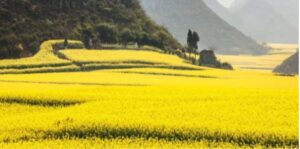
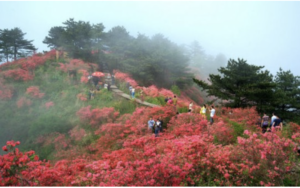
Only my childhood hometown remains forever vivid in my mind, never fading. Thirty years have distilled the villages of southern Anhui into thick oil paints: golden yellow, fiery crimson. Endless fields of rapeseed flowers stretching to the horizon, and mountainsides aflame with azaleas in full bloom.

I have passed through countless cities and towns, witnessed many breathtaking scenes — the Gold Coast of Australia, the bays and forests of Vancouver, the autumn leaves of American national parks, and Niagara Falls in Buffalo — searching all the way, yet never finding rapeseed flowers and azaleas like those of home. Not until I returned to visit my family, catching the rapeseed bloom by chance, did I once again behold those patchwork fields of gold and breathe in the fragrance of the soil of home. I captured those golden expanses on video and stored them away, afraid they might slip away again.

Homesickness, like love, is an eternal theme of literature and art. From Li Bai's "Raising my head, I gaze at the bright moon; lowering it, I think of home," to Tao Yuanming's "Come Away Home"; from Chyi Yu's "Olive Tree" to Fei Xiang's "Clouds of Home"; from Ma Sicong's "Homesickness Melody" to the American folk song "Five Hundred Miles." In the still of night, in a foreign land, a gentle folk ballad flows like a quiet stream and soaks into my heart — it is the Kingston Trio singing "Five Hundred Miles," the shared melancholy of every wanderer under heaven.

Homesickness is an invisible net — where does the road of wandering end?

Written October 6, 2005, Buffalo


乡愁是一张无形的网(下)

对于很多年轻人,去国和留守是一对纠缠不清的矛盾:《围城》内外,城内的人看外面的精彩世界,哪怕城里舒适顺遂,也终觉没有亲历外部生活的遗憾;远游的人历尽艰辛终于明白,乡愁无法用物质来填补。我当年就是这样心情。研究生毕业一扎就是五年,工作生活蒸蒸日上,前途一片光明,可看见身边的同学朋友一批批出国,心里觉得空落落的。终于赶上末班车,然而,异乡的天空却如此陌生,小时候夏夜乘凉所识的星空,连同当年的童话和遐想,从此再也无法拼接完整。

想起初到英国的情形:尽管已经三十出头,尽管有很多同学一起来到曼城,尽管此前早已经历过离开家乡在京城的多年飘荡,但远离故国仍然伴随着难以名状的痛苦:好像一棵连根拔掉的小草,任由风吹雨打,内心充满着深不见底的空荡和恍惚。学期伊始,学生会楼前各种学生自发的俱乐部正招兵买马,熙熙攘攘,一片欢声笑语,我却似乎处在另一个时空,与现实错置,不能理解身边的喧嚣,也无法排解莫名的惆怅。

继而是十年的隔绝:除了《华夏文摘》的陪伴,以及偶然逢年过节给家人电话贺卡问候以外,完全失去了和祖国的交流。殊不知,这正是中国翻天覆地的十年。直到2001年第一次回国探亲,才猛然发现又一次时空错置。站在熟悉又陌生的北京大街上,看着熙熙攘攘的人流,不可救药地感觉到,这个世界已然与我无关。这就是曾经留给我那么多温馨回忆的城市么?我梦牵魂萦的北京,如今形如陌路!在我引为自豪的故都,我不能理解身边的喧嚣,也无法排解莫名的惆怅。

只有我的童年故乡,在我的脑海永远鲜活,永不退色。三十年时光把皖南家乡化成了浓浓的油彩:金黄、火红。那是一望无际的油菜花,和漫山遍野的映山红。

走过无数城市乡镇,看到过许多摄人心魄的美景,澳大利亚的黄金海岸,温哥华的海湾和森林,美国国家公园的红叶和水牛城的尼亚拉加大瀑布,一路寻觅,可就是见不到家乡那样的油菜花和映山红。直到回国省亲,正赶上油菜花开的季节,才重温了田野的片片金黄,嗅到了家乡的土地芬芳。我把这片片金黄摄入录象镜头,收藏起来,生怕它再次丢失。

思乡与爱情一样,是文学艺术的永恒主题。从李白的"举头望明月,低头思故乡"到陶渊明的《归去来兮辞》,从齐豫的《橄榄树》到费翔的《故乡的云》,从马思聪的《思乡曲》到美国民歌《离家500里》。夜阑人静,异国他乡,轻柔舒缓的民歌象涓涓流水,浸润着我的心,那是 Kingston Trio 演唱的《离家500里》,全天下游子共同的怅惘。

乡愁是一张无形的网,流浪的路何处是尽头?

记于2005年十月六日,水牛城


From 《朝华午拾》. Original Chinese: 《乡愁是一张无形的网》.

和丁兄毕业赠言诗——四十四年后

最近,我大学时期的老同学、也是"老下级"(上下铺——他睡在我下铺,hence),老丁,回忆往事,在同学群里感慨道:


【老丁原诗】毕业临别赠言

一九八一年十二月二十七日晚,安庆师范学院英语系师生在迎江寺小餐馆举行毕业聚会。会后回校,同学之间互相在日记本上签字留念。情之所致,即兴拙作分别签赠诸位同学留念:

同窗千日形与影,
别后东西难相逢。
学府同耕书山上,
天涯共航学海中。
战士何愁风霜烈,
园丁但求花木荣。
慧眼识得千里马,
奉献四化到底红。


老下级先唱了,我这个小他十一岁的老上级岂能不和?因此上:

【和诗】

四十四载梦与踪,
鬓边风雪各西东。
当年共挤青春铺,
今日同看夕照红。

>

半生代码半生酒,
一路浮沉一路风。
莫道人间书卷老,
至今胸中有彩虹。


和罢,意犹未尽,因作文遥寄:

【遥寄丁兄】

忆昔辛酉岁杪,霜钟初动,雪意微侵。诸生会饮于迎江古寺之侧,小馆孤灯,杯酒纵横。时则皖水无声,振风塔影摇于寒月;长街将寂,少年意气犹腾。酒酣耳热,相与执手题襟,或悲或歌,竟不能已。

嗟乎!同窗数载,晨分灯火,夜共芸编。上铺下榻之间,笑谈曾惊邻舍;残灯破卷之际,壮怀每指青云。或听VOA于月下,或诵灵格风于霜晨。纸短情长,墨痕狼藉,而青春之气,已横绝一世矣。

未几而东西南北,各赴尘途。兄则振羽桐城,我亦飘蓬海角。或困顿于风波,或沉浮于名利;或折腰稻粱,或白首江湖。昔日青衿少年,而今霜侵两鬓;当年纵谈四海,间或插科打诨,而今各守孤城。人生忽忽,驹隙而已。每念旧游,如闻远钟。

然则世路虽艰,壮心未死。忆当年书山并辔,学海同舟,未尝不自许为天下奇士也。今虽老矣,犹幸肝胆未寒,灯火未灭。酒后谈AI之变,犹如当年纵论四化;夜深观天地新局,尚存击楫中流之志。

故今日援笔和君,不为雕章,只为故人。愿兄老骥伏枥,长怀千里之心;愿我辈残年未晚,犹作时代之客。异日若得重聚,再携浊酒,同话少年。彼时纵黄发满头,亦可大笑曰:

"当年书生意气,至今尚未凉也。"


English Translation (archaic style)

Lao Ding's Original — Graduation Verses

On the twenty-seventh day of the twelfth month, in the year 1981, the faculty and students of the English Department of Anqing Normal College forgathered at a modest tavern beside the River-Welcoming Temple for our farewell revels. Returning thereafter to the college grounds, we inscribed parting words in one another's journals, as the spirit moved us. What follows are verses composed in that hour of exaltation, offered to my several schoolfellows:

A thousand days we shared one shadow, one form;
Now East and West divide us after this day.
Together we tilled the mountain of learning,
Together we sail the sea of scholarship.
What warrior feareth the biting frost?
The gardener asketh only that his blooms flourish.
Let the keen eye discern the thousand-*li* steed,
And in service of the Four Modernizations, burn ever crimson.


William's Reply — Forty-Four Years After

Forty-four winters of dreams and traces,
Frost at the temples, scattered East and West.
Once we crowded together on youth's narrow bunk;
Now we watch the same sunset glow from afar.

>

Half a life in code, half a life in wine;
A road of ups and downs, a road of wind.
Speak not of yellowing pages and aging scholars —
Still the rainbow beareth up within this breast.


A Letter Sent from Afar to Brother Ding

I recall the waning days of the xinyou year: the frost-bells had scarce begun to sound, and a whisper of snow hung in the air. We, the graduating class, gathered to drink beside the ancient River-Welcoming Temple — a lonely lamp in a humble tavern, cups raised without restraint. In that hour the Wan River lay silent, and the shadow of Zhenfeng Pagoda swayed upon the cold moon; the long avenue was soon to fall still, yet the ardour of youth still surged. Drink-warmed and flushed with feeling, we clasped hands and wrote upon one another's garments. Some wept, some sang, and none could bring themselves to cease.

Ah! For several years we shared the dawn-lamp and the midnight tome. From upper bunk to lower, our wild talk startled the neighbours; by flickering lamplight over tattered texts, our ambition reached for the blue clouds. Some nights we stole away to listen to the Voice of America beneath the moon; on frosty mornings we declaimed Linguaphone in its pure London accent. Paper was too short, feeling too long; our ink ran riot. But the spirit of youth had already bestrode the age.

Ere long we scattered to the four quarters, each upon his dusty road. You, brother, spread your wings at Tongcheng; I drifted like a thistledown to the ends of the sea. Some were broken on the rocks of fortune, some foundered in the currents of fame; some bowed for bread, some grew grey upon the rivers and lakes of the world. Then we were blue-robed youths; now frost invades our temples. Then we roamed the world in talk, full of jest and ribaldry; now each guards his solitary citadel. Life is as a horse glimpsed through a crack in the gate — a flicker and gone. Whenever I think upon those old wanderings, it is as though I hear a distant bell.

And yet the road of the world, though hard, hath not slain the heart. I remember how we rode stirrup to stirrup up the mountain of books, how we shared one vessel upon the sea of learning. Did we not then count ourselves among the remarkable spirits of the age? Though now grown old, we may yet rejoice that our gall hath not chilled, nor our lamp been extinguished. Over wine we discuss the transformations wrought by AI, even as once we debated the Four Modernizations; in the deep night we survey the new configurations of the world, still nursing the will to strike the oars in midstream.

Wherefore I take up the brush today to answer your verse — not for ornament's sake, but for an old friend's. May you, brother, like the aged steed in the stable, ever cherish the heart that would gallop a thousand li. May we, though late in our years, yet remain travellers in this age. If some distant day we gather again, let us bring our cloudy wine and speak once more of youth. Then, though our heads be full of white, we may yet laugh aloud and declare:

"The bookish ardour of those young days — even now, it hath not cooled."


Formatted by Tuya

和丁兄毕业赠言诗——四十四年后

William in university days
大学时代的 William

最近,我大学时期的老同学、也是"老下级"(上下铺——他睡在我下铺,hence),老丁,回忆往事,在同学群里感慨道:

【老丁原诗】毕业临别赠言

一九八一年十二月二十七日晚,安庆师范学院英语系师生在迎江寺小餐馆举行毕业聚会。会后回校,同学之间互相在日记本上签字留念。情之所致,即兴拙作分别签赠诸位同学留念:

同窗千日形与影,
别后东西难相逢。
学府同耕书山上,
天涯共航学海中。
战士何愁风霜烈,
园丁但求花木荣。
慧眼识得千里马,
奉献四化到底红。

老下级先唱了,我这个小他十一岁的老上级岂能不和?因此上:

【和诗】

四十四载梦与踪,
鬓边风雪各西东。
当年共挤青春铺,
今日同看夕照红。

半生代码半生酒,
一路浮沉一路风。
莫道人间书卷老,
至今胸中有彩虹。

和罢,意犹未尽,因作文遥寄:

【遥寄丁兄】

忆昔辛酉岁杪,霜钟初动,雪意微侵。诸生会饮于迎江古寺之侧,小馆孤灯,杯酒纵横。时则皖水无声,振风塔影摇于寒月;长街将寂,少年意气犹腾。酒酣耳热,相与执手题襟,或悲或歌,竟不能已。

Anqing classmates group photo, Lao Ding bottom right
安庆师范学院同学合影,右下为老丁

嗟乎!同窗数载,晨分灯火,夜共芸编。上铺下榻之间,笑谈曾惊邻舍;残灯破卷之际,壮怀每指青云。或听VOA于月下,或诵灵格风于霜晨。纸短情长,墨痕狼藉,而青春之气,已横绝一世矣。

未几而东西南北,各赴尘途。兄则振羽桐城,我亦飘蓬海角。或困顿于风波,或沉浮于名利;或折腰稻粱,或白首江湖。昔日青衿少年,而今霜侵两鬓;当年纵谈四海,间或插科打诨,而今各守孤城。人生忽忽,驹隙而已。每念旧游,如闻远钟。

然则世路虽艰,壮心未死。忆当年书山并辔,学海同舟,未尝不自许为天下奇士也。今虽老矣,犹幸肝胆未寒,灯火未灭。酒后谈AI之变,犹如当年纵论四化;夜深观天地新局,尚存击楫中流之志。

故今日援笔和君,不为雕章,只为故人。愿兄老骥伏枥,长怀千里之心;愿我辈残年未晚,犹作时代之客。异日若得重聚,再携浊酒,同话少年。彼时纵黄发满头,亦可大笑曰:

"当年书生意气,至今尚未凉也。"


English Translation

Lao Ding's Graduation Verses

A thousand days we shared one shadow, one form;
Now East and West divide us after this day.
Together we tilled the mountain of learning,
Together we sail the sea of scholarship.
What warrior feareth the biting frost?
The gardener asketh only that his blooms flourish.
Let the keen eye discern the thousand-li steed,
And in service of the Four Modernizations, burn ever crimson.

William's Reply

Forty-four winters of dreams and traces,
Frost at the temples, scattered East and West.
Once we crowded together on youth's narrow bunk;
Now we watch the same sunset glow from afar.

Half a life in code, half a life in wine;
A road of ups and downs, a road of wind.
Speak not of yellowing pages and aging scholars —
Still the rainbow beareth up within this breast.

A Letter Sent from Afar to Brother Ding

I recall the waning days of the xinyou year: the frost-bells had scarce begun to sound, and a whisper of snow hung in the air. We, the graduating class, gathered to drink beside the ancient River-Welcoming Temple — a lonely lamp in a humble tavern, cups raised without restraint. In that hour the Wan River lay silent, and the shadow of Zhenfeng Pagoda swayed upon the cold moon; the long avenue was soon to fall still, yet the ardour of youth still surged. Drink-warmed and flushed with feeling, we clasped hands and wrote upon one another's garments. Some wept, some sang, and none could bring themselves to cease.

Ah! For several years we shared the dawn-lamp and the midnight tome. From upper bunk to lower, our wild talk startled the neighbours; by flickering lamplight over tattered texts, our ambition reached for the blue clouds. Some nights we stole away to listen to the Voice of America beneath the moon; on frosty mornings we declaimed Linguaphone in its pure London accent. Paper was too short, feeling too long; our ink ran riot. But the spirit of youth had already bestrode the age.

Ere long we scattered to the four quarters, each upon his dusty road. You, brother, spread your wings at Tongcheng; I drifted like a thistledown to the ends of the sea. Some were broken on the rocks of fortune, some foundered in the currents of fame; some bowed for bread, some grew grey upon the rivers and lakes of the world. Then we were blue-robed youths; now frost invades our temples. Then we roamed the world in talk, full of jest and ribaldry; now each guards his solitary citadel. Life is as a horse glimpsed through a crack in the gate — a flicker and gone. Whenever I think upon those old wanderings, it is as though I hear a distant bell.

And yet the road of the world, though hard, hath not slain the heart. I remember how we rode stirrup to stirrup up the mountain of books, how we shared one vessel upon the sea of learning. Did we not then count ourselves among the remarkable spirits of the age? Though now grown old, we may yet rejoice that our gall hath not chilled, nor our lamp been extinguished. Over wine we discuss the transformations wrought by AI, even as once we debated the Four Modernizations; in the deep night we survey the new configurations of the world, still nursing the will to strike the oars in midstream.

Wherefore I take up the brush today to answer your verse — not for ornament's sake, but for an old friend's. May you, brother, like the aged steed in the stable, ever cherish the heart that would gallop a thousand li. May we, though late in our years, yet remain travellers in this age. If some distant day we gather again, let us bring our cloudy wine and speak once more of youth. Then, though our heads be full of white, we may yet laugh aloud and declare:

"The bookish ardour of those young days — even now, it hath not cooled."

by Tuya

朝华午拾 — Ch.1-3: Roaming the World · 浪迹天涯

by Li Wei (立委)

Roaming the World

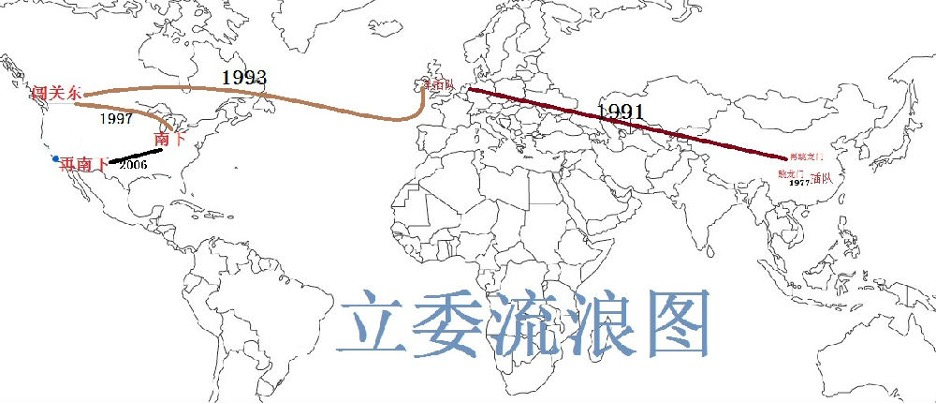
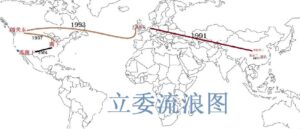
In my personal semantic dictionary and knowledge graph, "wandering" (liulang) is a major node, with "drifting" and "waves" as its hypernyms. Its hyponyms branch out in lush profusion: sent-down youth, overseas re-settlement, leaping through the Dragon Gate — and leaping again — northward drift, plunging into the sea of commerce, westward drift, southward migration, and southward yet again. This is an honest map of my professional life. Behind these words and concepts lie surges of excitement and oceans of toil that perhaps only a visualization graph could hardly capture.

A life of undulating drift has been my constant companion. In 1976, I graduated high school just in time for the Cultural Revolution's final wave of shangshan xiaxiang — the "up to the mountains, down to the villages" campaign — and was sent to a mountain village in southern Anhui to be re-educated by "poor and lower-middle peasants". That was the starting point of my lifelong wandering. Looking back, it wasn't a bad beginning — a sixteen-year-old could feel more pride than sorrow. At the end of 1977, I caught the first nationwide college entrance exam in ten years and, against all odds, leapt through the Dragon Gate, becoming one of the historically celebrated Class of '77 (though we actually enrolled in February 1978). After graduation, I taught for a year, then leapt again — into graduate school in Beijing. That was an exhilarating northward drift, my joy on par with the crazy histry figure Fan Jin passing the imperial examinations. It was 1983, and I had the extraordinary fortune of studying under the founding fathers of Chinese NLP/MT, Professors Liu Yongquan and Liu Zhuo, pursuing a master's in machine translation — thus began my career.

In the four or five years after graduate school, I moonlighted in Zhongguancun, China's Silicon Valley, plunging into the sea of business high tech development. Though I could count myself among the earliest wave of xiahai entrepreneurs, I was only part-time and bore none of the risks full-timers faced. By then, the fever of going overseas — "foreign re-settlement," we called it — was raging. I couldn't resist the tide and caught the last train to Great Britain. But the early 1990s found the British Empire in decline: streets teeming with stray dogs, muggings rampant. One does not dwell in a dangerous state, so I drifted westward to the immigrant's Mecca — Canada, the land of maple leaves, flowers, and milk. A PhD, a daughter, a change of status, a job search — it was all wonderfully busy. Beautiful though Canada was, its job market was small. So southward I went, and collided headlong with America's dot-com boom. The United States truly is a wanderer's paradise: vast skies, boundless possibilities — the entrepreneurial journey began. As the grand entrepreneurial vision faded with the bursting bubble, I drifted south once more, finally sinking into the promised land of IT workers, unable to extricate myself — a place called Silicon Valley.

My career has roughly tracked the rhythm of NLP's gradual penetration into industry. The overarching theme: wandering, wandering, still wandering. Yet wherever I wandered, my heart for technological entrepreneurship never wavered. In my dictionary of wandering, something is missing, sensed only dimly. Tao Yuanming's "The Return" echoes in my ears from time to time: "My fields and gardens will run to waste — why not return?" To let leaves fall back to their roots, to start anew — perhaps that is the true destination of all wandering.

Written on March 23, 2013


Homesickness Is an Invisible Net (Part I)

At the end of 2005, our nine-year-old daughter Tiantian was deeply upset by a discussion about leaving Buffalo. I tried to console her: "You know, when American newspapers rank the most livable cities, Buffalo is always in the bottom ten. Cities like San Francisco, Boston, Seattle, Washington D.C., and San Diego — aren't they better than Buffalo?" It was true: Buffalo has long, brutal winters — they call it "Snow Capital" — leaving residents vulnerable to cold and illness. The water quality is poor and viruses are rampant. More importantly, there's no real industry, the economy is stagnant, the population shrinks year by year, and young people mostly head "south" at the first opportunity. But Tiantian wasn't buying it. With tears streaming, she said: "Who cares about this stupid rating. I have been living here for eight years and all my friends are here. Plus, I like snow."

Tiantian had lived here for as long as she could remember; Buffalo was, in her mind, the one and only irreplaceable hometown. I recall when she was five, we took her to Beijing for the first time to visit family. That first night at her grandmother's, everything was alien — no American cartoons on TV as she was used to. She cried and fussed, begging to go home — meaning, of course, her home in Buffalo. I told her this was home, her mother's home, but she simply couldn't accept it.

To prove Buffalo's virtues, Tiantian drew upon her limited knowledge to invent her own balance theory: Buffalo's famous lake-effect snow, she argued, counteracts the terrible greenhouse effect causing global warming. With an air of self-satisfied cleverness, she declared: "You see, the two effects balance each other. Nowhere else can balance the global warming as effectively as in Buffalo!" She could list a thousand reasons Buffalo was superior: "You got to admit, Buffalo is not bad. We have no earthquake like in San Francisco. No hurricane like in Florida. Our Christmas is always white."

Buffalo does have many acknowledged virtues, chief among them Niagara Falls — the so-called "Seventh Wonder of the World." The natural ecology around Buffalo is beautifully preserved: drive along the Niagara River from the falls and you pass through a gallery of fairy-tale scenery — one state park after another, ancient towering trees, rolling meadows. Yet aside from the Falls, these vast parks sit empty even on weekends; one can't help but feel the waste of such resources. Buffalo's downtown may be dilapidated and chaotic, but the suburban townships where most white-collar people actually live are like something out of a storybook — simple, honest folk, clean and safe streets, garden-like beauty. Buffalo's housing market is the least expensive in America: back then, just over a hundred thousand dollars could buy you a house with front and back yards (what in China they'd call a "villa"), the absolute price lower than in China's coastal cities! Two hundred thousand got you a luxury home, spacious to the point of embarrassment — a sum that wouldn't buy a corner of a house in New York or San Francisco. Life was cheap and convenient, with top-tier public schools, and extracurricular lessons — piano, sports — at half the coastal price. Not to mention a warm Chinese community and a bustling weekend Chinese school.


朝华午拾 · 浪迹天涯与乡愁(上)

浪迹天涯

在属于我个人的语义词典和知识图谱里,"流浪"是一个很大的节点,它的上位是漂流和波浪。流浪的下位谓词枝繁叶盛,包括:插队,洋插队,跳龙门,再跳龙门,北漂,下海,西漂,南下,再南下。这也正是我职业生涯的真实写照。在这些语词概念的背后蕴含几多激动几多辛苦,也许只有可视化图谱知道。

多起伏的漂流生活伴随着我的一生。1976年高中毕业即赶上了文革最后一届上山下乡,插队皖南山区接受贫下中农的再教育,这是我一生流浪生活的起点。这个起点回想起来并不坏,16岁的孩子当时能感到的是自豪多于悲凉。1977年底赶上了文革10年后第一届大学生招考,居然跳了龙门,成为史上著名的77级生(其实是78年2月入学)。大学毕业后任教一年,再跳龙门考研成功,北上京城。这是一次欣快的北漂,当年的兴奋喜悦堪比范进中举。那是1983年,有幸师从中国NLP的开山鼻祖刘涌泉刘倬老师,主攻机器翻译硕士,这才入行。研究生毕业后四五年间,中关村兼职下海。虽然可算头几拨下海人士,因是兼职,并无其他下海人的风险。其时洋插队之风正甚,终于没有顶住潮流,赶了末班车来到大英帝国。90年代初正值大英没落,乱态丛生,路多野狗,抢劫之风甚行。危邦不居,因辗转由欧西漂,来到一代移民的"麦加",满是鲜花与牛奶的枫叶之国加拿大。攻博添女,换身份,找工作,不亦忙乎。加国虽美,工作市场却不大。于是南下,竟一头撞上了美国网络大跃进。美利坚果然是流浪者的天堂,广阔天地,大有可为,开启创业之路。轰轰烈烈的创业宏图随着泡沫的破灭渐趋平淡,遂复南下,终于踏入IT民工的圣地不能自拔,人称硅谷。

我的生涯与NLP在工业界逐渐渗透的节奏是基本上一致的。整个一个主题就是,流浪,流浪,还在流浪。但无论流浪何方,技术创业之心不变。在我流浪的词典里,冥冥中似有所缺。陶渊明的《归去来辞》不时在耳边萦回,"田园将芜胡不归"。叶落归根,初创再搏,或为流浪的真正归宿。

记于2013年三月23日

乡愁是一张无形的网(上)

2005年底,因为讨论离开水牛城搬家的事,九岁的女儿甜甜非常伤感。我宽慰她说:"你知道么?美国报纸排名最受欢迎的居住城市,水牛城是倒数的十个城市之一呀(最受欢迎的十大城市包括旧金山,波士顿,西雅图,华盛顿和圣地亚哥等),哪里不比水牛城强呀?" 确实,水牛城冬季漫长,人称"雪都",极易受风寒侵袭。水质低劣,病毒流行。更主要的是,没有像样的工业,经济发展落后,人口逐年下降,年轻人一有机会大多"南下"寻求发展。可是,甜甜不以为然,流着眼泪说:"Who cares about this stupid rating. I have been living here for eight years and all my friends are here. Plus, I like snow."

甜甜自记事起,就住在这里,水牛城自然是她心目中不可替代的唯一故乡。记得她五岁那年第一次带她回北京探亲,第一天晚上住在姥姥家,一切对她是那么陌生,没有她已经习惯的美国卡通电视,她满脸委屈地吵着闹着要回家——当然是回水牛城的家。我告诉她这就是家呀,是妈妈的家,她怎么也无法认同。

为了列举水牛城的好处,甜甜根据她有限的知识,自己独创了一种平衡理论:水牛城有著名的湖区效应,所以多雪,而地球正面临可怕的温室效应,导致全球变暖,她自作聪明地说,"You see, the two effects balance each other. Nowhere else can balance the global warming as effectively as in Buffalo!"。她还能举出一千条水牛城优越的理由:"You got to admit, Buffalo is not bad. We have no earthquake like in San Francisco. No hurricane like in Florida. Our Christmas is always white."

水牛城确实有很多公认的好处,最著名的是拥有号称"世界第七大奇迹"的尼亚拉加大瀑布。水牛城周围原始生态保护很好:郊外从大瀑布开始,沿尼亚拉加河车行,宛如驶进仙境画廊,州立公园一个接一个,参天古树,连绵草地。不过,这里除大瀑布外,空旷的公园即便周末亦无人问津,让人真觉得可惜了这些资源。水牛城市中心虽然日渐衰落杂乱,人们聚居的郊区乡镇却有如童话世界,民风淳朴,整洁安全,环境优美如花园。水牛城房市全美最便宜,当年十万美元出头就可以买到前庭后院的 house(国内叫"别墅"),绝对价格低于国内沿海城市!二十万就是豪华大屋,宽敞奢侈得让人发愁,这个价钱在纽约、旧金山不够买一个房角。生活便宜也方便,有一流的公立学校,课外教育(学琴,学球等)的学费只是沿海城市的一半价钱。更不用说,还有温暖的华人社区和热闹的周末中文学校。


From 朝华午拾. Original Chinese: 乡愁是一张无形的网.

Morning Glory and Afternoon Collection — Ch.1-2: A Brief Biography of Li Wei / 朝华午拾 · 第一章之二:立委小传

Morning Glory and Afternoon Collection — Ch.1-2: A Brief Biography of Li Wei

by Li Wei (立委)

Life is short — trim off the beginning and the end, and you're left with perhaps thirty to fifty years. These can be divided into three stages: the career-building years (one's thirties), the mature years (one's forties), and the declining years (one's fifties and beyond). In Chinese custom, these stages are reflected in how one is addressed: Little Li (Xiao Li), Big Li (Da Li), and Old Li (Lao Li). But alas, I, Li Wei, leaped straight from Little Li to Old Li, never having the chance to savor the grandeur of my prime — a fact that has always left a faint ache in my heart.

Having skipped two grades between kindergarten and elementary school, I was always the youngest in my class. Born in the notorious hunger year besides, I was frail and undersized, often excused from PE with a doctor's note or sent home altogether — perpetually the little runt. Fortunately, as middle school began, a "revisionist resurgence" was underway: Mao had tasked Deng XP with cleaning up the Cultural Revolution's wreckage, and Deng in turn charged Zhou Rongxin, the education czar, with restoring order to the schools. The campus climate was renewed. Riding this tailwind, I began to distinguish myself. As class academic officer and math subject representative, I was assigned by the classroom tutoring teacher to mount the podium every morning during self-study period to demonstrate problem-solving strategies — practically a teaching assistant. But fair weather never lasts. The Gang of Four slandered Deng and calculated against him, and the Revolution faction regained the upper hand. The school descended into chaos. Academic classes were pushed to the background; "mass criticism" sessions became the main curriculum, supplemented with learning from workers, peasants, and soldiers on site. Unable to shine through academic subjects, I nevertheless lost no ground — in fact, my prominence only grew. For I was the master of polemical writing, having moved through the successive campaigns: Criticize Lin Biao, Criticize Confucius, Criticize Deng, Counter the Right-Deviationist Wind in education, and finally, Criticize the Gang of Four. At every assembly, large or small, whenever I spoke, my voice rose and fell with cadence and force, punctuated by wit and humor. I became a sensation on campus, celebrated far and wide. Some said I carried the legacy of Lu Xun — penetrating to the bone, yet always bringing forth the new from the old, a cascade of apt phrases. At open-air gatherings of a thousand people, the crowd was typically restless and disorderly, but the moment I stepped onto the platform, complete silence fell. They listened with rapt attention, and when I reached a punchline, laughter rippled through the audience. From this I forged a reckless courage and an immunity to stage fright — a gift that has served me all my life.

By the time I reached university — the prestigious Class of '77, the first cohort after the Cultural Revolution — I was still at the tail end, with classmates older than me by anywhere from one to over ten years. Among classmates we all called each other by name, except for my desk-mate, the youngest of the "Seven Fairies," who teasingly called me "Little Li Wei." It wasn't out of affection but rather to avoid suspicion — to demarcate clear boundaries. For four years we shared a desk, yet kept strictly apart — a Chu-Han divide, a clear line between Jing and Wei. The Seventh Fairy, naturally clever, used the pretext of being one year my senior to call me "Little Li Wei," thereby making our interactions, such as they were, officially above reproach.

Once the Seventh Fairy set this unfortunate precedent, the "Little" epithet stayed with me for years. Teaching middle school, I was called "Little Teacher Li" (age 22). In graduate school, I shuffled in and out of the computer lab, disheveled and unkempt, muttering to myself in "the world's language" (Esperanto), eventually becoming a campus joke (ages 23–26).

Caption: Full of youthful vigor and high spirits (1987).

After graduating from the Chinese Academy of Social Sciences and staying on at the institute, tales of Li Wei continued to circulate — mostly stories of love at first sight, a lightning marriage, chronic dishevelment, and the time I walked into a wall and had to apologize for it.

Caption: Li Wei directing machine translation system development at a Zhongguancun company (1988).

Thus I dug in at the research institute and the Zhongguancun company for five years (ages 26–31), honing skills akin to those of an old traditional Chinese doctor. My specialty was treating computers, taming their language functions. During this period, the fever for going abroad kept rising, spreading from Shanghai to Beijing. On every street corner, conversations inevitably turned to America, Japan, Britain, and Australia. Yet Li Wei and his "immediate superior" (my wife) ambled along in blissful ignorance, wrapped up in each other — like the old saying, "unaware of the Han dynasty, let alone the Wei and Jin". Not until every last classmate had departed did Little Li suddenly wake up. With grim resolve, he took the TOEFL exam and scrambled for the last train. As it happened, the Y.K. Pao Foundation was selecting promising talents, and through sheer luck, Little Li was chosen and dispatched to the Chengdu University of Science and Technology's overseas training center for half a year of preparation.

Who could have guessed that this would become the watershed between Little Li and Old Li. The talents gathered at the training center — men and women alike — were the best from every region and every field, divided into two groups: the one-year visiting scholars, mostly older, and the three-year doctoral scholarship recipients, mostly young rising stars. Li Wei, in the latter group, now found himself the senior. Every time there was an exam,  Wei inevitably took top honors, drawing a stream of talented men and women to his door with questions large and small. The sound of "Old Li" never ceased. Li Wei became a minor celebrity for a time, with a devoted following.

Caption: The talented men and women of the Chengdu University of Science and Technology Overseas Training Center (1990).

In the blink of an eye, Little Li had transformed into Old Li, basking in widespread esteem. As a foreign-language major, I should have been exempt from the English test. But the authorities, making no distinction, rounded everyone up and shipped us all to Chengdu, the "Land of Abundance" for centralized feeding. It wasn't just English — there were also policy training sessions. All my brothers and sisters worked conscientiously, scrambling to get ahead. Only Li Wei took it easy, spending his days indulging in Sichuan cuisine and lingering in teahouses and bars, much to the envy of his peers.

Though the title "Old Li" was coined in Chengdu, in my heart I didn't fully accept it. At that time my career was flourishing, at high noon — wide networks within the field and beyond. My associations were all with learned scholars; no common folk crossed my threshold. My advisor was a titan of the discipline, and I was his sole final protégé — his "closed-door disciple" (all the others having "betrayed" the motherland and fled to America). I was a "young" talent, a rising star, commanding the sidelong respect of my peers. On the eve of my departure from China, the national machine translation community held its annual gathering at the Fragrant Hills Guesthouse in Beijing. The highlight was a dinner conversation between my advisor and another giant of the field — what came to be known as the "Liu-Dong Dialogues" — throughout which Li Wei appeared repeatedly, furnishing his advisor with examples and explaining details. So influential was this that the assembled junior female scholars (mostly out-of-town graduate students newly entered into the field) flocked to Li Wei for guidance. Regrettably, with my mind so set on flying far away, I missed a golden opportunity to mentor these aspiring younger scholars.

After leaving the country, the years passed: from Britain to Canada, from Canada to America. Drifting and displaced, never knowing where I'd settle — my prime years flowing away like water. By the time of my eight-year tech start-up campaign in Buffalo (ages 37–45), my youth was gone, my prime had passed, and "Old Li" had become an honest name. Yet my ambition never waned. I redoubled my efforts, fighting on two fronts, and carved out a domain of my own.

Caption: Li Wei at his Buffalo office (2000).

Looking back, I can't help but sigh. My life — from youth to prime, precisely when my creative powers were at their peak and energy overflowing, with timing, place, and people all aligned — was cut in half by the long years of study abroad, everything reset to zero. Years later, after eight years of entrepreneurship, I returned to China to visit family. Amid clinking glasses at a hotel restaurant, I was enjoying a joyful reunion with family and relatives. During a brief pause in the feast, I strolled out onto the balcony to enjoy the cool air and take in the Beijing nightscape. There I happened upon an elegant young woman with a small child. Seeing my gray hair, she instructed the child: "Say hello to Grandpa." My blood pressure shot up, thunder crashed in my head, and all the wine in my belly turned to cold liquid, sliding down my spine.

Written on January 9, 2010.


朝华午拾 · 第一章之二:立委小传

立委列传

立委者,不知何许人也。少而敏,长而异,行迹颇诡于常人。
其生也,岁在荒年,形羸而志劲。未及冠,已连越学级,故恒处群中之末,年最幼焉。
然幼而不弱,虽体弗胜力,而心不屈志。

及中学之初,时局稍靖。上整学政,下肃庠序。立委因之得志,
为学官所擢,日登讲席,剖析数理,旁若无人,俨然少师。
众或异之。

未几,风复骤变。政教反覆,文艺退处,群趋口舌。
立委遂弃算而执笔,纵横批判之场。
其辞激而不燥,其论峻而多趣。
凡大会所集,千人喧沸,及立委登台,则声寂如林。
及其词锋所至,笑声震野。
或曰:“有鲁迅之遗意焉。”

由是胆气既张,临众不惧,终其身不改。

既入大学,岁在七七之年。
同学或长十余岁,呼名无忌。
惟其同席一女,独称之曰“小立委”。
非亲也,实所以避嫌而自别。
四年同案,界若河汉。
“小”字遂附其名,不可去。

其后为师,人称“小李”;
又入机房,昼夜沉思,口诵异语,众以为狂。
然其志固在远方,不为俗议所移。

及壮岁,入社科之府,留而不去。
或以情结婚,或以拙致笑,或以直触壁。
然其技益进,主译机器之文,疗电脑之疾,如良医治顽症。
五年之间,术成而名隐。

是时也,四海骚然,言出国者如市。
立委独处一隅,与其所亲者,相对忘世。
不知潮起。

及同侪尽去,乃幡然悔悟。
遂赴成都,入出国之塾。
群英毕集,才俊云合。
分为二辈:长者为学者,少者为新秀。

立委在新秀之中,忽为其长。
试辄居首,众皆仰之。
有事无事,咸趋其门。
“老李”之名,由此而生。

然立委心未以为然。
其时事业方张,师承名宿,交游尽鸿儒。
去国之际,香山论道,群贤在席。
立委数为师发言,条分缕析,众皆侧目。
后学相从者众,而其志已决,遂弃之而去。

既出国门,流转英加美三地。
岁月忽忽,若水东逝。
本当盛年,乃为学途所系。

他乡数载,非益其有,乃重其始。
人生之书,中叶忽断。

及至水牛城八年,鬓已微霜。
然志气未衰,犹能并驱两途,自立一隅。

后归故国,与亲友宴。
酒酣,独步于台。
忽遇一妇,携子而行。
见立委,命其子曰:

“呼爷爷。”

一言既出,天地俱寂。
立委怔立,若遭霆击。
酒气尽消,寒意自脊而下。

乃知——
名之所加,非虚也;
岁之所夺,不可返也。

太史曰:
人之生也,或以年序其行,或以名乱其序。
立委少而老名,壮而学子,
行不由己,时为之也。

夫所谓“老李”者,
非老于岁,乃老于世。

嗟乎!
名先于人,人生其后;
时夺其年,志存其余。

观立委一生,
非不得其时,
乃时不得其全也


From 朝华午拾 (Morning Glory and Afternoon Collection). Original Chinese: 乡愁是一张无形的网 (Nostalgia Is an Invisible Net).

Morning Glory and Afternoon Collection — Ch.1-1: Wandering Far Away / 朝华午拾 · 第一章·流浪远方

Chapter 1: Homesickness is an Invisible Net

by Li Wei (立委)

Life comes but once, a river rushing to the sea that never returns. The distillation of a life transcends the life itself. Only when the migrating geese leave their call do you feel you haven't lived in vain. With accumulated experience, with inspiration stirring, with a serene mood and a pot of clear tea — what flows flowingly is not literary craft, but life itself: with its sorrows and joys, its sweat and blood.

Most things in this world follow predictable patterns. So do most human lives. But when an old hand looks back at his footprints, the ordinary parts tend to fade while the legendary ones stand out. And the legendary, by definition, defies belief. Yet what truly instructs us is often the legendary, not the routine. Morning Glory and Afternoon Collection is a legend. Some things in it, I scarcely believe myself. Take this, for example: raising 10 million dollars from the federal government and 11 million from investors within eight years around the turn of the century— fairly rare, right? But it happened, and it happened to us.

Another example: my elder brother's "rebellion" as a nine-year-old commander. I remembered the event, but in the first draft of Little Red Guards I did the math and thought it impossible, so I fudged it: "My brother was the representative of our second-grade class, one of the founders of the revolutionary organization." Later, after verifying with my father and brother, it turned out he WAS the commander, with a fourth-grade strategist as his adjutant. According to my father's account, our family was sent down to the countryside in 1965. Since there was no kindergarten there, I skipped straight from middle kindergarten into first grade elementary, sitting in the same class as my brother. After two months, I somehow advanced with the class to second grade (the plan was to hold me back in first, but the teacher said I was able to keep up). In '66 we were second-graders. School was suspended for the revolution, and the Little Red Guard was formed during that hiatus. The rebellion must have been in '66, because by '67 our family had left that small village town and returned to the county seat.

Morning Glory, Part One: Wandering Far Away

The very word wandering conjures the comic books of my childhood — Zhang Leping's Sanmao the Wanderer.

(to be continued)


朝华午拾 · 第一章:乡愁是一张无形的网

人生只有一次,奔流到海不复还。人生的酿造超越了人生。雁过留声,才感觉没有白活。有积淀,来灵感,准备好心情与清茶。从容流淌的不是文思,而是生活,伴着哀怨喜乐,汗水与泪血。

世界上的事情,多数都是循规蹈矩的常规。人一辈子也大多如此。不过,老帮菜回头看自己的足迹,常规的部分容易忽视,传奇的部分就凸现出来。凡传奇,就不可信。可是能够有启示的,往往是传奇,而不是常规。《朝华午拾》就是传奇。有些事情,我自己都不敢相信。比如,8年内从政府拿到1000万,从投资人拿到1100万的成就,极罕见吧。可它发生了,就在我身上。

再如,老哥九岁当司令造反的事情,我是记得的,可是在《红小兵》初稿中,我一算岁数,觉得不可能,就含糊地写“我哥哥是我们二年级的代表,革命组织发起人之一”。后来跟老爸老哥核实,确实是司令,后面有个四年级的军师辅佐。根据老爸的记述,我家1965年下乡,因为乡下没有幼儿园,我从幼儿园中班,直接插班进入小学一年级,跟我哥哥同班。上了两个月,居然跟班升学到二年级(本来打算留在一年级,可老师说我能跟上)。66年我们在二年级,其间有停学闹革命,匕首小分队就是在停学时期成立的。造反应该在66年,因为67年我家就离开那个小镇回县城了。

朝华之一:流浪远方

写就“流浪”二字,想起小时候看过的《三毛流浪记》来。张乐平后无漫画,大师千古。


From Morning Glory and Afternoon Collection(朝华午拾). Original Chinese: 乡愁是一张无形的网.

Morning Glory and Afternoon Collection — Little Sister / 朝华午拾 · 小妹

by Li Wei (立委)

We were three siblings, each two years apart. I was in the middle, and Little Sister was the youngest — the darling of the entire family. Our elder brother was a natural-born student leader, always out in the world making trouble or making revolution, often leaving us behind. At home, it fell to me, the second brother, to look after Little Sister.

I was a weak and sensitive child, prone to excessive worry about my family, and Little Sister was the one I worried about most. I remember countless times — whether it was our parents, our elder brother, or Little Sister — if someone didn't come home on time, I would sit at home letting my imagination run wild, terrified that something terrible had happened. When I took Little Sister out to play, I never dared let my guard down. The moment she was out of sight, my heart would pound with fear — what if someone kidnapped her?

From childhood to adulthood, I was always the one being looked after. My parents, my grandma, my elder brother — they all took care of me, and at school, being younger and doing well academically, I often received special attention from teachers and kindness from older classmates. This environment made me a little too comfortable being the one who was cared for. I took it for granted. In my world, only Little Sister was younger and more fragile than me, someone who needed my protection and care.

The year our family was sent to the countryside, I was five and Little Sister was three. I often took her out to play on the flagstone streets beyond our front door. Across the way was a blacksmith's shop, and Little Sister and I would stand transfixed, watching the two blacksmith brothers at work. It felt magical. The bellows whooshed, the iron glowed red-hot, and under the rhythmic hammering — one heavy, one light — sparks flew everywhere. The metal darkened from crimson to dull red, slowly taking shape: spades, hoes, sickles, gleaming black after quenching.

I used to show off by carrying Little Sister on my back as I ran down the street, making her giggle and laugh. She was thin, but even so she was heavy for me, and I could never carry her far before she'd start slipping down. One day, I had her stand on a high step so I could lift her from above — I figured the higher center of gravity would make her easier to carry. But I was wrong. After just a few steps, Little Sister went tumbling headfirst over my shoulder and hit the ground — "smack" — her face bruised and swollen. I was heartbroken and regretted it for a long, long time. And of course, Little Sister never again let her second brother carry her on his back again.

Not far behind our house was a little pond where I took Little Sister to play. A tempting water chestnut floated on the surface, and Little Sister reached for it. She stretched, missed by a hair, stretched further — and splash — tumbled into the pond. I was terrified and stood at the water's edge, crying desperately. The elder blacksmith brother, who was fishing on the opposite bank, heard my cries and came running. He jumped into the water and pulled her out. Poor Little Sister — three years old, hair disheveled, face blue, soaking wet, too shocked even to cry. The blacksmith carried us home, and Grandma was beside herself with fear. From then on, we were forbidden to go anywhere near the pond. That evening, Grandma — a superstitious old soul — led Little Sister and me around the pond's edge, murmuring incantations, believing this would call back our frightened souls.

Little Sister was well-behaved — pampered but never spoiled. Teachers and classmates at school all loved her, and at home she had the whole family's care. Whenever I got a treat as a child, I always thought of Little Sister and carefully saved half for her. I might fight with my elder brother over food sometimes, but with Little Sister, from childhood to now, it's always been nothing but protection and tender care.

In those days, fruit was a luxury. When our parents brought home apples or pears, the whole family felt festive. Little Sister ate fruit delicately and slowly, always leaving a large core behind for us to finish. My brother and I would gnaw our own fruit down to nothing, then eye the core still in Little Sister's hand with envy. Every time, she'd smile at us, and we'd compete, shouting: "Core collection station now open! Core collection station now open!" Little Sister loved this game, but she never judged by volume. She was always fair — if she'd given the core to our elder brother last time, this time it was mine.

At seventeen, I left home to be "sent down" to the countryside, beginning a lifetime of wandering the world. Even when I came home for New Year's, my visits were always brief. But my concern for Little Sister never faded — not until she married. Her husband is an honest, intelligent, caring man, with an impressive career in farming research. Only then did I, as her brother, feel some relief. Little Sister's child also turned out exceptional — with broad knowledge, a gift for writing, now working in AI in America. Little Sister herself — once so pampered — has been tempered by life. She's capable, hardworking, and well-liked by everyone.

I went abroad for graduate studies and didn't return home for ten years. When I finally visited, there were too many things to say and no way to begin. At Little Sister's house, we sang old songs together on the karaoke machine, and scenes from our childhood — playing together as brother and sister — came flooding back, frame by frame. Only then did I learn that Little Sister had twice narrowly escaped death — once thrown from an electric scooter, once paralyzed by severe potassium deficiency. "Why didn't you tell me?" I asked. Little Sister smiled bitterly. "What would have been the use? You were on the other side of the world. It would only have made you worry for nothing." She sighed, tears glistening: "They say both brothers have done so well. But what good is it? We barely even see each other. Look at other families — brothers and sisters right here in the hometown, on holidays and weekends, the whole family gathers, so warm and lively." Her words cut me deep.

Now we've all reached middle/senior age and beyond, but in a brother's eyes, Little Sister will always be Little Sister — the one who needs watching over, the one who needs protecting.


小妹

我们兄妹仨各相差两岁,我在中间,小妹最小,全家都疼爱她。大哥天生的学生领袖,在外闯荡闹革命,常把我们撇在一边。小妹在家多由我这个二哥领着玩儿。

我小时候身子虚弱,很敏感,对家人常常过度牵挂,小妹更是我最牵挂的人。记得很多次,无论是爸爸妈妈,还是大哥小妹,因故没按时回家,我就在家胡思乱想,老怕家人出什么意外,越想越怕。领小妹出门玩,我从来不敢大意。只要小妹不在眼前,心里就扑通通地担心不已,怕小妹被人贩子拐走。

从小到成年,我一直是受照顾的对象,父母外婆大哥自不必说,在学校也因为年龄小成绩好,也常受老师的青睐和同学的优待。这样的环境使我总是有点倚小卖小,觉得被照顾是理所当然。在我的世界中,只有小妹比我更小更弱,需要我的怜爱照顾。

我们家下乡的那年,我五岁,小妹三岁。我常常带小妹到家门外青石板的街头玩耍。记得对门是个铁匠铺,我和小妹常常看邻居铁匠兄弟俩打铁出神,感觉很奇妙。风箱呼呼拉着,烧红的铁料,在一轻一重有节奏的锤打下,火星四溅,从通红变暗红,慢慢成型,花为铁锹锄头镰刀,淬火后发着黑光。铁匠兄弟憨实友好,常招呼我们,我们因为害怕铁铺堂前的一具油亮亮的大棺材而不敢进门,那是预备给他家年事已高的祖母的。

我还常常逞能背着小妹当街跑,逗得小妹咯咯直笑。小妹虽然瘦小,我背起来还是很费劲,常常背不远就慢慢滑溜下来。有一天,我让小妹站在一个高高的台阶上,这样背下来,重心提高,感觉能轻省一些。没想到重心太高也不行,刚挪了几步,正得意小妹这下高高在上,滑不下来了,小妹却一个倒栽葱,"啪",翻过我的头顶摔下来,鼻青脸肿。我心疼后悔了好久好久。当然,小妹从此再也不敢让二哥背了。

我们家后面不远处有个小池塘,我带小妹去玩。水里漂着一个诱人的小菱角,小妹用手去捞,只差一点没捞着,小妹于是伸手再去捞,身子一倾,扑通掉进塘里了。我吓坏了,使劲在塘边哭。正在对面钓鱼的是铁匠大哥,听到哭声,赶忙跑过来跳进水中,把小妹捞起来。可怜,三岁的小妹头发散乱,脸色发青,湿淋淋的,吓得都不会哭了。从此我们再也不许走近池塘了。

小妹很乖巧,宠而不娇,在学校同学老师都喜欢她,在家有全家的呵护。我小时候得到零食,也总想着小妹,小心翼翼给小妹留下一半。跟外婆要来零用钱两三分,常到街头买回一小块红薯头,回家来跟小妹分享,又甜又香的红薯,总给我们莫大的享受。我有时会跟哥哥抢吃的,可是对小妹,从小到大,永远是护让和怜爱。

当年水果算奢侈食品,家里不常有,爸爸妈妈偶然买了苹果或梨子回家,一家就像过节一样。小妹吃水果很细很慢,总是留下大大的果核由我们收尾,我和我哥总把自己的水果啃得干干净净,然后觊觎小妹手上吃剩的果核。每次小妹朝我们笑笑示意,我和大哥就比着嗓子吆喝:"收核子站开喽,收核子站开喽!"小妹很喜欢这样的游戏,但并不以嗓门高低为凭,总是很公平,上次把核给了大哥,这次就给二哥。

我从17岁离家插队,就开始了一生流浪的足迹,过年回家,也是来去匆匆。但是对小妹的牵挂始终不减,直到小妹出嫁。妹夫是个实诚聪明懂得关爱人的人,科研事业也很出色,做哥哥的这才感觉放心一些。小妹的孩子也很有出息,知识面广,有作文天才,留美后从事AI工作,后生可畏。娇生惯养的小妹也磨练出来了,做事干练,不怕吃苦,人缘也很好。妹夫家在偏远的农村,小妹过年常常陪丈夫孩子摆渡去看望公婆,一点没有城市小姐的娇气,极受夫家好评。

我出国留学,一去10年才第一次返乡探亲。太多的话不知从何说起,来到小妹家跟小妹一起唱卡拉ok的老歌,儿时兄妹玩耍的一幕幕在眼前浮现。吃罢小妹做的晚饭,聊起来,才知道小妹两次大难不死。一次是骑电动车,不知道哪个机关失灵,莫名其妙被甩出去几丈远。还有一次病危,严重缺钾,全身瘫软,脖子差点顶不住脑袋,好不容易才脱险。说得我心惊肉跳。我问,以前信件电话怎么不告诉我啊?小妹苦笑:告诉你有什么用?天涯海角的,不是让你瞎担心嘛。小妹叹口气,泪眼迷离,凄切切地说:都说两个哥哥有出息,当老总的,留洋的,可一点也不实惠,连面也难得一见。看人家兄弟姐妹在家乡,逢年过节大周末的,一大家热热闹闹。说得我心酸。

转眼我们都中年以后了,可在哥哥眼中,小妹永远是小妹,让人牵挂,需要呵护的小妹。


小妹

From Morning Glory and Afternoon Collection (朝华午拾). Original Chinese: 小妹.

Morning Glory and Afternoon Collection — Preface / 朝华午拾 · 代序

by Li Wei (立委)

Why I Write Morning Glory and Afternoon Collection — Preface 2

After middle age, I grew fond of reminiscence. From time to time, seized by a mood, I would casually record the most unforgettable moments and feelings of my life — gathering fragments into a whole, publishing them online under the pen name 立委. This became "Morning Glory and Afternoon Collection".

"My Postgraduate Exam Experience" was the first piece in this nostalgic series, blogged on May 2, 2004, in Buffalo, New York. From there I couldn't stop, writing on and off for over a decade. Looking back, the college and postgraduate entrance exams — "leaping over the dragon gate" — truly were the fundamental turning points of destiny. On my first trip home after many years, both my elder brother and a senior schoolmate told me that for our generation, life's path was largely set the moment you either cleared or fell short of that gate. This is deeply unfair, because what standardized exams measure cannot begin to capture the talent and potential so many classmates possessed. Yet this is how society sorts us — an imperial examination system at its core, where academic excellence opens every door. Most opportunities and resources ultimately fall to the lucky few who cleared the dragon gate, leaving one to sigh at the opportunities in life.

A human life is like a dream — when you wake, nothing remains. Recording the most piercing moments, at least, freezes a frame of life. Life is brief. I didn't set out to write deliberately — I would simply record what came to mind, fearing that when I was truly old I would forget, as if I had never lived at all.

I began writing Morning Glory and Afternoon Collection to share with family, and later with those friends close enough to confide in. I have never deliberately elevated or embellished, but I know there is no absolute truth memories. What I call truth is only the truth of my memory, and memory is surely unreliable in places. Absolute truth is not necessarily more valuable — except when writing history — whereas "felt truth" is the stuff of literature. I have done my best to be truthful. Where something cannot be described truthfully, I would rather not write than knowingly fabricate. Some things I may only have the courage to write after retirement. What I choose to set down is real — not only for peace of mind, but in the hope of offering something to those who come after. But none of this is what matters most. What matters is using this unique way to connect with my father, my family, and those cherished friends — old buddies bound by common attention, care, concern, and fate — in a genuine exchange. I think to myself: without doing this, our usual conversations, trips home, and school reunions could never attain such depth. Separated for too long, people often find themselves with nowhere to begin. There are indeed things too precious, too sensitive, too delicate to share. But there is so much more that needs and can be shared — yet so many people rush through a lifetime without ever finding the occasion or the way.

Some time ago, talking about body and soul, I wondered: what is it that endures? At the very least, a person has thoughts, sensibility, and memory. If these are committed to words, it is as if something metaphysical is solidified and externalized. Though it cannot achieve immortality, at least it will not vanish with the body's going away. The ancients said: literary works endure across a thousand autumns. I have not thought that far — but sharing with family and friends is itself one of life's pleasures.

After I wrote Morning Glory and Afternoon Collection, my father began writing his own memoir, "Wind and Rain Through the Seasons", allowing us to understand more of his life. Every time I read about the famine year of 1960, and the life-and-death separation from my aunt — his younger sister — I cannot hold back tears. My elder brother also wrote "Riverside Chronicle" (later collected as "Small-Town Green Years"). His memory is more precise, his descriptions more delicate and vivid. Those "old stories" from the county town where we grew up, events that feel like a world away, come back to vivid life before our eyes.

This volume also collects a unique family heirloom — the surviving manuscript of my great-grandfather, "Remaining Ink of the Elder Li".

.


朝华午拾 · 代序

我写朝华午拾——代序2

立委

人到中年之后,喜欢怀旧。有时候兴起,把自己一生中刻骨铭心的所历所感,随手记录下来,集腋成裘,以立委为名发表在互联网上,是为《朝华午拾》。《我的考研经历》是我《朝华午拾》怀旧系列的第一篇,博客记于2004年5月2日纽约州水牛城。从此一发不可收,断断续续写了十几年。回想起来,人的一生,高考和考研的"跳龙门"确实是命运的根本转机。第一次回国探亲,老哥和师姐都跟我说,同辈人后来的生活道路,大多在冲刺龙门的那一刻就注定了。这很不公平,因为很多同学所具有的才干和潜力,应试教育是不能全面衡量的。但是,社会就是这样来鉴别的,本质上还是科举制度,学而优则"仕"。多数机会和资源最终落在少数幸运地跃过龙门的同学身上,让人不胜唏嘘。

人的一生就跟梦一样,醒来什么也没留下。把最刻骨铭心的片段记录下来,至少把生活定格了一下。人生苦短,也不是刻意去写,想到了就记录下来,怕以后真老了,就记不得了,感觉白活了一样。

我写《朝华午拾》的起因是跟家人分享,后来也跟谈得来的朋友分享。从来没有刻意拔高或虚饰,但我知道,没有绝对的真实。所谓真实,也只是我记忆中的真实,而记忆肯定有不可靠之处。绝对真实不一定更有价值,除了写史以外,而感受的真实才有文学。我已经尽力真实,如果遇到无法真实描述的,我宁肯不写,也不刻意为虚。有些事大概要等到退休以后才有勇气。选择写出来的就是真实,不但求得心安,而且也希望给后来者以启发。但这些都不重要,重要的是,用这种独特的方式,跟老爸和家人,还有亲密好友,爱护、关心、有缘结识的老友,有一个交流。我想,我如果不这样,平时的谈话,回家探亲,还有同学聚会,都不可能深入和亲密。分开太久,人常常是这样,很多话无从谈起。确实有一些太过珍贵、太过敏感、太过微妙的,无法分享。可是还有更多的,是需要也可能分享的。但是很多人匆忙一辈子,就找不到一个机会或者方式。

前些时候谈肉体和灵魂,我就想,什么是永存的东西。至少人有思想、感性和回忆,如果诉诸文字,好像就把某种形而上的东西固化和外化出来。尽管不能不朽,却至少并不会随肉体消亡而逝去。所以,古人说,文章千古事。我倒没想千古那么远,但是,与亲友分享,亦是人生一乐。

我写《朝华午拾》后,我老爸开始写回忆录《风雨春秋》,让我们更多了解他这一辈子。每次读到60年荒年,我姑姑(爸爸妹妹)的生离死别,我就忍不住流泪。老哥汉阳一江水也写了《江城记事》(后结集为《小城青葱生活》)。他的记忆更加准确,描述也细腻。我们从小生活的县城所发生的那些恍如隔世的"城南旧事",栩栩如生回到我们眼前。

本书还收集了家传孤本,我曾祖父的《李老夫子遺墨》。


From Morning Glory and Afternoon Collection (朝华午拾) — a memoir series. Original Chinese text: 代序.

The Li Clan of Xiaokeshan: Seven Centuries of Scholarship in a Mountain Valley

The four Li brothers at Xiaokeshan
The four brothers of the Li clan's 'Ming' generation, at Xiaokeshan. They supported each other throughout their lives.

Many families write their genealogies, and they tend to fall into one of two traps.

The first is a dense list of names — reads like a phone book. The second is a desperate scramble to link themselves to distant emperors and generals, as if a single sentence could vault them into royal lineage.

But the truly moving part of a family's story often lies not in "who our ancestors were," but in "how the generations that followed chose to live."

The story of our Li clan of Keshan (磕山李氏) begins, roughly, in the chaos of the late Tang Dynasty.

According to the Keshan Li Clan Genealogy and the Santian Li Clan Genealogy, the Keshan Li branch belongs to the Santian Li lineage. The Santian Li trace their roots to the Tang imperial house, with ancestral ties to Longxi. The line can be traced back to a descendant of Emperor Xuanzong of Tang (Li Chen). From Li Rui, the ninth son of Emperor Xuanzong and Prince of Zhao, came Lord Li Jing. Lord Li Jing was originally named Li Yang, later renamed Li Jing.

During the Huang Chao Rebellion at the end of the Tang Dynasty, around 880 CE, Lord Li Jing migrated south, settling in Jietian, Fuliang, Raozhou — in the area of today's Jingdezhen, Jiangxi. Later, his descendants branched out to Xintian in Qimen, Yantian in Wuyuan, and Jietian in Fuliang — known thereafter as the "Three Fields Li" (三田李氏).

This part sounds distant. As distant as a page from a history book. But family history moves closer, one step at a time.

From the late Tang through the Song and Yuan dynasties, from Jiangxi to Anhui, from Fuliang in Raozhou to Gukang in Dongzhi, to Yangshan, and finally to Xiaokeshan in Fanchang — generation after generation migrated, fled turmoil, sought livelihoods, and put down roots. Then, during the Jingding era of the Southern Song, Lord Rongsheng's son, Lord Rongyi, took his three sons down the Zhangxi River and along the Yangtze, arriving at Xiaokeshan in Fanchang.

The mountain is small. The name carries no fame.

But Lord Rongyi and his party stopped here.

They settled at the foot of Xiaokeshan, in a place called Laowuji — the Old House Foundation. From that point on, this branch of the Li clan took root and grew. Descendants honor Lord Rongyi as the founding ancestor of the Keshan Li.

This is, perhaps, the most authentic beginning for many Chinese families: not a tale of armored cavalry or court intrigue, but a few people, with their children and belongings, following the river downstream, finding a place where they could survive — building houses, clearing fields, lighting fires, raising children. And then, passing the days down through the generations.

What makes the Keshan Li truly worth writing about is not just their origins, but their family tradition.

From very early on, this clan placed a high value on education.

During the Ming Dynasty, the clansmen built the Jiashutang ("Hall of Shelved Books") ancestral hall at Laowuji. It is said to have covered twenty mu of land, with three courtyards, ninety-nine and a half rooms, all timber-framed — known locally as the "Hall of a Hundred Beams." Carved beams and painted rafters, majestic in scale.

The name Jiashutang is telling. It is not "Hall of Gathering Wealth" or "Hall of Prominence." It is "Hall of Shelved Books."

Shelve the books, teach the children, and the lifeblood of the family continues.

Later came Xigong Ci, which elders recall was primarily a private school — a place where the clan nurtured its young and conducted lectures. Xiaokeshan is just a mountain valley, but because of these ancestral halls, private schools, and teachers, it gradually filled with the sound of recitation. For a time, students from both sides of the Yangtze traveled to Xiaokeshan to study.

This is what I find most moving. A mountain valley that could draw students from near and far — not by scenery, not by power, but by education.

Sadly, both Jiashutang and Xigong Ci were destroyed during a particular era, and the genealogical records were nearly scattered and lost. The old buildings are gone, the wooden beams gone, and the sounds of study seem to have faded into the distance.

But some things, even when the buildings are destroyed, cannot be erased. Because they have entered the bones of the people.

Over seven centuries, the Keshan Li clan has produced, generation after generation, scholars, educators, physicians, soldiers, and researchers.

In the Qing Dynasty, there was Li Dahua, courtesy name Dunlun, pen name Xiangzhai. A suigongsheng during the Guangxu period, he served as magistrate of Huichang, Shangyou and other counties in Jiangxi, and in his later years returned home to teach, with disciples in great number.

There was Li Hucen, born into a tradition of farming and scholarship. In the 19th year of the Guangxu reign, he founded the Fanchang Higher Primary School — later Fanchang No. 1 Primary School — and donated thirty mu of farmland as a school endowment. Founding a school was not about slogans; it was about giving your family's land so the school could survive.

There was Li Shixiu, who devoted his life to running schools and teaching. He founded the Chongshi Chinese College and Keshan Primary School, donated over ten mu of farmland, and served as headmaster without taking a salary. These words may sound light today; in that era, they meant truly investing one's family fortune and life's energy into education.

There was Li Yingwen, a Meiji University graduate in political science who spent his life as an educator. During the War of Resistance, when the Japanese army attacked the Keshan area, they invited him to serve as county magistrate of Fanchang. He refused to serve the puppet regime, skillfully maneuvering before making his way to the Wuwei anti-Japanese base area, where he continued his educational work. In times of chaos, a scholar's integrity sometimes rests in a single word: "No."

There was Li Yingfan, who during the War of Resistance served as colonel secretary to General Gu Zhutong, commander of the Third War Zone. Later, unwilling to leave his homeland, with aging parents and young children, he declined three invitations to relocate to Taiwan. In subsequent years, amid shifting times, he endured years of imprisonment. In his later years, his reputation was restored, and he served as a researcher at the Anhui Literary and Historical Archives, leaving behind more than ten volumes of his collected poems. His poetry, at once classical and playful, stands as a representative work in the cultural heritage of the Keshan Li.

There was Li Huaibei, given name Pu, who was shaped by his family's educational tradition from a young age and later rushed to the front lines of the War of Resistance. He participated in revolutionary work, experienced the Huaihai Campaign and the Yangtze Crossing Campaign, and ultimately gave his life in 1955.

There was Li Ruofei, given name Qin, who fought in the War of Resistance, the Huaihai Campaign, the Yangtze Crossing Campaign, and the Korean War, later transferring to the Hefei Institute of Optics and Fine Mechanics of the Chinese Academy of Sciences, leaving behind battlefield diaries from each period.

There was Li Mingjie, a chief surgeon who practiced medicine his entire life, prioritizing efficacy, minimizing costs, and always thinking of his patients' welfare. A physician's compassion is rarely found in grand words — it is in every yuan saved for a patient, every bit of suffering spared.

There was Li Yangzhen, who spent forty-eight years in clinical practice, teaching, and research in traditional Chinese medicine — writing books, publishing papers, teaching, treating patients, decade after decade. Beyond medicine, he wrote travelogues, family histories, and poetry. In a person like him, you see the quintessential scholar of an older generation: someone who did solid work and wrote prolifically — like an old well, its water never ceasing.

In modern times, clan members have also entered fields like computing and artificial intelligence.

Looking back now at the words "Xiaokeshan Li Clan," you realize it is more than just a surname attached to a place.

It is a thread.

A thread that runs from the chaos of the late Tang, through Fuliang in Jiangxi, through Gukang and Yangshan in Dongzhi, finally settling in Xiaokeshan, Fanchang.

It passes through ancestral halls, private schools, genealogical records, war, the Cultural Revolution, and the Reform and Opening — and through one real person after another: the teacher, the doctor, the soldier, the poet, the researcher, the AI engineer.

The most precious thing about this thread is not how illustrious our origins were. It is the reminder to those who come after: how far a family can go depends not on the halo of its ancestors, but on whether later generations keep reading, keep being good people, and keep doing solid work.

Ancestral halls can be destroyed. Old houses can collapse. Genealogies can scatter.

But as long as someone still asks, "Where do we come from?" — as long as someone still remembers the names of those who came before, and still tells the children the family stories of valuing education, valuing integrity, and valuing responsibility — this cultural thread has not been broken.

Xiaokeshan is nothing more than a mountain valley.

But seven centuries later, the sound of recitation that once echoed there still resonates in the destinies of its descendants.

小磕山李氏:一条山冲里的七百年书声

李家名字辈四兄弟在小磕山前合影
李家名字辈四兄弟,在小磕山前。四兄弟相互扶持一生。


很多家族写家谱,容易写成两种东西。 一种是密密麻麻的人名,读着像电话号码本;另一种是拼命往远祖上靠,恨不得一句话就把自己接到帝王将相那里。

其实,一个家族真正动人的地方,往往不在"祖上是谁",而在"后来的人怎么活"。

我们磕山李氏的故事,大概要从唐末乱世说起。

据《磕山李氏宗谱》《三田李氏宗谱》等记载,磕山李氏属于三田李氏分支。三田李氏远承唐代宗室,郡望陇西。其源流可上溯至唐宣宗李忱一脉。唐宣宗第九子昭王李汭之后,有李京公。李京公原名李佯,后改名李京。

唐末黄巢之乱,天下动荡。公元八八〇年前后,李京公南迁,卜居江西饶州浮梁界田,也就是今天景德镇一带。后来,其后裔分迁祁门新田、婺源严田、浮梁界田,后世称为"三田李氏"。

这一段,听起来离我们很远。远到像历史书里的一页。但家族的历史,就是这样一点点从远处走近的。

从唐末到宋元,从江西到安徽,从饶州浮梁到东至古港、阳山,再到繁昌小磕山,一代代人迁徙、避乱、谋生、落脚。最后,到了南宋景定年间,仁盛公之子荣一公携三子,经东至张溪河,顺长江而下,来到繁昌小磕山。

这里山不大,名气也不响。但荣一公一行人停了下来。

他们在小磕山下定居,地方叫老屋基。从此,这一支李氏就在这里生根发芽。后人尊荣一公为磕山李氏一世祖。

这大概就是中国许多家族最真实的开端:不是金戈铁马,也不是庙堂风云,而是几个人拖家带口,沿江而下,找到一块能活下去的地方,搭屋,开田,生火,养孩子。然后,把日子一代代过下去。

磕山李氏真正值得一写的,不只是源流,而是家风。

这个家族很早就重视读书。

明代,族人在老屋基建了"架书堂"宗祠。据说占地二十亩,三进院落,九十九间半房子,木质结构,俗称"百梁厅"。雕梁画栋,气势恢宏。

"架书堂"这个名字很有意思。它不是"聚财堂",不是"显贵堂",而是"架书堂"。书架起来,孩子教起来,家族的命脉也就接起来了。

后来还有"禧公祠",据老人回忆,主要是私塾,是族中培养子弟、讲学育人的地方。小磕山本是一条山冲,却因为这些祠堂、私塾和先生,慢慢有了书声。有一段时期,大江南北的学子还曾来到小磕山求学。

这才是我觉得最动人的地方。一个山冲,能让远近学子奔赴而来,靠的不是风景,也不是权势,而是教育。

可惜,架书堂和禧公祠后来都毁于特殊年代,宗谱也一度几近散佚。老建筑没有了,木梁没有了,书声似乎也远了。

但有些东西,房子毁了,也毁不掉。因为它已经进了人的骨头里。

磕山李氏七百多年中,代有读书人,也代有办学者、从医者、从军者、治学者。

清代有李达华,字敦伦,号香斋。光绪年间岁贡生,历任江西会昌、上犹等县知县,晚年归乡讲学,桃李众多。

有李虎岑,出身耕读世家,光绪十九年创办繁昌高等小学堂,也就是后来的繁昌第一小学,并捐田三十亩作为学田。办学不是喊口号,是把自家的田拿出来,让学校能活下去。

有李世秀,一生从事办学讲学,创办崇实中文专科学校和磕山小学,捐田十余亩,任校长而不取薪资。今天看这几句话,也许轻飘飘;放在那个年代,那是真正把家产和心血投进教育里。

有李应文,毕业于日本明治大学,获政学士,一生教书育人。抗战时期,日军进攻磕山,曾邀其出任繁昌县县长。他不愿事伪,巧妙周旋,后来去了无为抗日根据地,继续办教育。乱世之中,读书人的骨气,有时候就藏在"不去"两个字里。

有李应繁,抗战时期曾任国民革命军第三战区司令顾祝同上校秘书。后来因故土难离、父母年老、孩子幼小,三次谢绝赴台邀请。此后又因时代变迁,遭受多年牢狱之灾。晚年恢复名誉,任安徽文史馆馆员,留下《李应繁诗词集》十余册。他的诗词古朴典雅,又风趣俏皮,是磕山李氏文化传承中很有代表性的一位。

有李怀北,名朴,少年时代受家族教育熏陶,后来奔赴抗日前线,参加革命工作,经历淮海战役、渡江战役等,最终于一九五五年牺牲。

有李若非,名勤,参加抗日战争、淮海战役、渡江战役、抗美援朝,后来转入中国科学院合肥光学精密机械研究所工作,并留下各时期战地日记。

有李名杰,外科主任医师,一生行医,重疗效,少花钱,处处替患者着想。医者仁心,往往不在大话里,而在每一次替病人省下的钱、少受的苦里。

有李扬缜,长期从事中医临床、教学、科研,任职四十八年,著书、论文、教学、行医,几十年如一日。医学之外,又写游记、家族文字和诗歌。这样的人,身上有老一代知识分子很典型的一面:做事很实,写东西也很多,像一口老井,水一直在。

到了现代,家族中也有人进入计算机、人工智能等新技术领域。

写到这里,回头再看"小磕山李氏"这几个字,会觉得它不只是一个姓氏加一个地名。

它是一条线。

这条线,从唐末乱世走来,经过江西浮梁,经过东至古港、阳山,最后落在繁昌小磕山。

它穿过祠堂、私塾、族谱、战乱、文革、改革开放,也穿过一个个具体的人:教书的、行医的、从军的、写诗的、做科研的、搞人工智能的。

这条线最珍贵的地方,不是说我们从哪里来得多显赫,而是提醒后人:一个家族能不能走远,不靠祖宗的光环,而靠后人有没有把书读下去,把人做好,把事做实。

祠堂可以毁,老屋可以塌,谱牒可以散佚。

但只要还有人愿意追问"我们从哪里来",愿意记住先人的名字,愿意把家族中那些重教、重义、重担当的故事讲给孩子听,这条文脉就没有断。

小磕山不过是一条山冲。

但七百多年过去,那里曾经响过的书声,还在后人的命运里回响。


作者:李扬缜 立委

《朝华之二十五:爸爸的小棉袄》

养育下一代(parenting)是人生最可回味的经历。孩子成长的花絮,时不时让人惊喜,积淀成温馨和亲情。很多父女对答妙趣横生,想起来就随手记录下来,更多的是随风飘散。人生的旅程步步惊心,支持我们走过低谷的是一种信念,为了女儿,我们不能停步。

永远的麦当劳

我们在水牛城的时期,一到周末,大小领导常常在工厂直销中心(Factory Outlets)不知疲倦地购物,跟厂商玩着买了退退了买的游戏。我跟往常一样,找一家附近的麦当劳快餐店,打开膝式苹果电脑,就着炸薯条,品着咖啡,上网有一眼无一眼看看老友们在闲极无聊中又整出什么让人跌破眼镜的新鲜事来,头脑里想的是怎样来写这篇酝酿已久的"麦克唐纳万岁"。还好,太阳底下没有新鲜事,只是一帮理呆在争论《十万个为什么》中的飞机为什么能飞的问题,争了几个月了,还没有结果。扯嘛,飞机不能飞还叫飞机吗?还是先回答鸟儿为什么能飞吧,飞机不就是人类的大鹏嘛。 

回到麦当劳。不管营养师怎样呼吁围剿所谓垃圾食品,也不管爱国分子怎样鼓噪抵制西方餐饮大王的侵入,麦当劳在我的心中金光闪烁,温馨惬意,有如家园。麦当劳给我的美好感觉,不在它的价廉物鲜 — 当然是新鲜的鲜,并非鲜美的鲜,毕竟是鬼子食。炸薯条和鸡块还是不错的,汉堡包在饿极时也可以下咽,比那些冷冰冰的三明治稍强。麦当劳的美好也不仅仅是它卫生亮敞的环境和茶馆一样的平易可亲的氛围。真正使麦当劳万寿无疆的是它的 Happhy Meal(儿童欢乐套餐)和它附带的儿童园地(Ronald's Playhouse)。Happy Meal 给儿时的女儿带来过无数的惊喜和欢乐,麦当劳儿童园地也见证了我跟女儿一起度过的无数美好快乐的时光。

对麦当劳的最初印象是我2015年前出国旅欧时形成的。一帮清贫的学生决定结伴周游欧洲各国。旅游并非阔人的专利,学生有学生的招数:买一张物超所值的铁路通票,就有了游遍欧洲的基本保障,食住行囊括了后两项。大体是白天游玩,晚上搭车加睡觉。有时一夜经过好几个国家,睡意朦胧中查验护照和签证,完了歪头再睡。一觉醒来,撞到什么旅游点,就下来走马观花。如果错过了什么名城胜景,可以转身搭车回转。随缘随机,倒也自在。这种旅行方式在学生中非常流行,对于节俭到苛刻的中国留学生更是如此。除了车票和门票(学生有优惠),唯一的开销就是吃了。旅游在外,胃口特别好,肚子时常闹意见,可旅游点的餐馆甚至小吃都价格不菲,就麦当劳的价格比较稳定。同学总结说:"Believe me, 游遍欧洲,颠扑不破的真理只有一条:麦当劳是唯一吃得起也吃得饱的所在。" 人以食为天,麦当劳的流水作业和薄利多销成全了它的餐饮业霸主的地位。 

对麦当劳的亲密而频繁的接触,还是由于甜甜。玩具是儿童的天使,甜甜热衷于追踪麦当劳儿童套餐推出的每一款玩具,遇到她喜欢的主题,比如 Furby, Teletubby, 她总是要收集各种颜色和造型的全套才满足。为此,我也没有少吃儿童套餐,为的就是尽快收集完全。有一次我连续一周午餐吃儿童套餐, 甜甜感觉奇怪:“Dad, are you ok? Did you tell me you don't really like the McDonald's food?” 我笑笑,说:“it's not bad, actually I seem to like it. Important thing is, we got the toy”。后来甜甜终于悟出来了,跟小伙伴说:"I can't believe it. My Dad ate Happy Meals nonstop just to get a complete collection of my favorite toys." 语气里透着被宠爱的满足。


麦当老儿童园地

在水牛城的岁月,麦当劳附设的儿童园地是我们最常光顾的场所,有吃有喝有迷宫,总有其他小朋友,甜甜在那里不到筋疲力竭不愿意回家。麦当劳迷宫,千转百迴,上下左右贯通,最受儿童喜爱。甜甜天生胆子小,很长一段时间,望宫兴叹。有一天,我们注意到麦当劳迷宫的游玩规定中写道:And parents, too! 原来允许做父母的跟孩子一块进去玩儿,于是陪着甜甜爬进那窄长园筒状迷宫通道,甜甜兴奋莫名,从此一发不可收拾。可怜我的老骨头,猫着腰跟一帮孩子在里面爬呀爬,很多家长旁观而笑。有孩子在迷宫哭闹的,就托我领孩子出宫。 

全家外出旅游,时常在没有尽头的高速公路上狂奔,夜色渐浓,困顿饥饿之时,我们也总是习惯地搜寻下一站的麦当劳。那金黄的霓虹灯招牌M,顶天立地耸立在那里,是温馨随意的召唤,总给我们宾至如归的感觉。

永远的麦当劳! 

记于2007年母亲节 


美国童谣

女儿小时候的录音不多,仅有的几段大概在 iPod 里录的音,随 iTunes 转到了 iPhone,车上常听,与音乐一起化为岁月的记忆


小时候就特爱说话,甚至有点饶舌,话比思维快,喜欢显摆童谣。录音里面有几个美国儿童的段子。

“boys go to Jupiter to get more stupider, girls go to college to get more knowledge.”

这是取笑男孩的。饶舌的甜甜现场发挥,富于夸张和强调:“what do you want me to say now? boys go to Jupiter , do you know the planet Jupiter? they go to the planet Jupiter, once they get there, they get stupider and stupider every second. And girls they go to college to get more knowledge and knowledge into their brain on their head.”

“Eeny, meeny, miny, moe,
Catch a tiger by the toe.
If he hollers, let it go,
Eeny, meeny, miny, moe.

My mother told me/says to pick the very best one, and you are not it.”

这是非常流行的“选择”童谣。小孩子面对两个或多种选择的时候,不知道选哪一样好,就口中念念有词,一边用手在选择物之间轮流数着,道理上应该是童谣完了手落在哪个选择上,就选择哪个。可是,儿童的心理是微妙的,很多时候内心其实有了一个所指,为了最终得到自己想得到的,表面上还跟着童谣走,孩子们学会在童谣后面,打着家长的名号,用肯定或否定来保证自己不要落到自己不要选的东西上:如果最后落到中意的选项上,就说 “My mother told me/says to pick the very best one, and that is YOU”. 否则就改口说:“My mother told me/says to pick the very best one, and you are not it.”

可见,生活的智慧,从儿童就开始滋生。明明是自己的愿望和选择,却包装成命中注定,或听命于父母大人。

“You know what
Kick your butt
All the way to Pizza Hut

While you’re there,
Comb your hair
Don’t forget your underwear!”

里面有个片段说学校的事儿。回家说的这个故事是小女孩玩家家的,也有微妙的儿童心理:

“I said that I am the Princess of Jewelry because one of my friends and buddy said that she looked at my jewelry I brought to school.  What happened is she was so surprised and she loved it … she said that I am Princess of Jewelry and she is the Queen of Makeup.  Next time I am going to bring new jewelry, she said that I am the Queen of Jewelry…… No,Daddy, Jessica said I am the Queen of Jewelry if I bring some new jewelry tomorrow.”

显然这个小女孩 Jessica 是精明的,有小希拉里的情商。她见到甜甜带到学校的那些“首饰”(女孩喜欢收集的那些小玩意儿),先是恭维甜甜是“首饰公主”,然后自封自己为“化妆女王”。甜属于比较傻的那种,一听恭维,高兴得不行。说明天要带更多新首饰去找女孩儿玩儿,带了新首饰,Jessica 就会封她为“首饰女王”了。可是“化妆女王”是“首饰公主/女王”的老板呀。跟孙悟空讨了个弼马温乐得不行一样,甜却非常高兴做女王的首饰运输队长。哈。

前后还有两段读书录音的回放。可以明显区别什么叫 native speaker/mother tongue,什么是第二语言。前一段英语故事读起来非常顺溜,有声有色。从幼儿园到小学一直就是英语的环境,在家里听的那点汉语无法匹敌。周末中文学校的课本文字,读起来就显得生硬。

说起来这都是近二十年前的花絮了。

樱花季节,岁月如斯。

记于2019年四月13日

寂寞童年

一个孩子是寂寞的。人是社会动物,何况孩子,哪里耐得住寂寞,更别提甜甜这样天性好动饶舌的。到了暑假,每天就象关在笼子里的小老虎,时刻想望出去放风撒野。

水牛城的岁月,苦在住的是老人公寓。等到监督她钢琴提琴练习完毕,电视和游戏也腻了,放风到屋外草地。空荡荡的,硬是不见儿童来玩耍。搬来一家邻居生了一圈孩子(四个),完全放羊,甜甜每天下午跟她们在后院的草地撒野到天黑,可惜不久就搬走了。想想也可怜,没有玩伴,孩子少了多少乐趣。想我们小时候,小伙伴一拨又一拨,或成群结队,或结党营私,捉蛐蛐知了,上树爬墙,游泳爬山,野孩子何等自在。 

甜甜于是学会珍惜每一次交友的机会。到商场,不知嘱咐多少次不要跟陌生人说话,她还是忍不住见人就打招呼。如果遇到年龄相仿的孩子,甜甜就处心积虑主动接近,招呼“套瓷”。每次度假旅游,甜甜对风景名胜毫无兴趣,玩的痛快与否完全决定于是否遇到谈得来的玩伴。有一次去佛州迪斯尼乐园,结交到一位同岁白人小女孩,两人一起玩Gameboy 游戏,一起坐各种滑梯转轮,甜甜就觉得特别开心。

有朋友一家四口出外度假,路过我处停留一夜,甜甜比谁都兴奋,跟朋友的一儿一女两个孩子打得火热。第二天送朋友一家上路,甜甜一路哭泣,口中叨叨“no bye bye, no bye bye”,很久不能释怀。半年前,老友来访,临别时甜甜也是伤心不已,陈林感叹:“唉,这里的孩子真寂寞。要在国内,周围有的是邻居孩子玩耍,哪里会这样粘着大人。” 

没有人玩,只好找父母。甜甜现在最大的不满意是抱怨我们对她注意不多,陪她玩得不够。经常给我们画一些图片以示抱怨,左边画一个幼童在床上,有大人在旁呵护,标注说“before”;右边画一个大孩子,孤单单的,标注“now”。其实陪孩子时间不算少,可怎样也嫌不够。除了每天睡觉前吵着要讲故事(她只要听我小时候的故事“when I was your age,...”,不要故事书上的)才睡,平时跟甜甜玩的游戏有“你拍一我拍一”,Pillow Fight(用枕头打仗),自创的 Upside Down 游戏(抓住孩子的脚,双手着地做倒立或者前行),玩跳棋和打蛋子(我们小时常玩的游戏)。 

甜甜特别喜欢“你拍一我拍一”,台词常有变换,一个常用的版本是:“你拍一我拍一,一个小孩坐飞机;你拍二我拍二,二个小孩梳小辫儿(或:丢手绢儿);你拍三我拍三,三个小孩吃饼干;你拍四我拍四,四个小孩写大字;你拍五我拍五,五个小孩打屁股;你拍六我拍六,六个小孩都优秀;你拍七我拍七,七个小孩吃烧鸡;你拍八我拍八,八个小孩吹喇叭;你拍九我拍九,九个小孩喝啤酒;你拍十我拍十,十个小孩来得迟。”

甜甜花絮

博客诞生之前,我在苹果网站开了个人网页,时时更新。类似于电子杂志的形式,配图报道与孩子成长有关的趣闻。编辑过两期《甜甜花絮》,给亲友分享孩子成长的点滴。

甜甜看到我小时候画的画儿,佩服得很。马恩列斯毛她一概不认识,但是一眼就认出了华盛顿。惊叹我画得那么像,“How did you do that?”吵着让我教她怎样画华盛顿。这可真没法教,人物素描不比画小猫小狗,要画得像,还真要一些功夫。当年我打上格子,一笔一描,一坐下去就是两小时,才慢慢画得有些像。

说起画画,去年春节期间,甜甜学校要求每一个学生提供一页有家庭传统或文化特色的作品,汇编成册,作为文化多元性的集子相互交流。我就照着一份中国年历画了一只山羊,拿到学校,老师说是杰作,把甜甜给得意的。从此,在她心目中,爸爸还是一个艺术家,除了电脑科学家(能够制造电脑,CD 和 DVD), VP(她知道跟美国总统华盛顿,林肯,还有距离。克林顿总统,她也知道,看过一幅漫画,知道那是一个说谎把鼻子说长了的总统。)。另外,爸爸还是一个最好的挠痒痒者(best back scracher:这边天气干燥,皮肤常痒,总让我挠), 油炸咸肉者(best bacon fryer:因为我炸的 bacon 脆而不焦)。其实很简单,美国的咸肉有瘦中有肥,火头小点,把肥油炸出去就成。在西方,肥肉就跟毒药似的,但是咸肉太瘦油炸出来就不脆,一般是半瘦半肥。

不过,我画画从来不入轨,更没有创造。不像甜甜,画画全凭自己想像。比如,那幅 tanya_Grade1_art1_Japanese_bridge,在学校艺术课上在老师指导下画的,学印象派作品,日本的小桥流水,还真有几分意味。我们曾送她上一个业余画校,学了一年,最高成就是那幅 t_art_dolphin,还可以。但是,总体起色不大,不是甜甜不爱画,而是教法不当(我认为),后来,其他课余活动(舞蹈、游泳、钢琴、中文、滑冰)多起来,就把画给停了。

六岁的时候,她想画爸爸和她玩电脑游戏,可是电脑、桌子和人的空间关系总搞不定,可费了心思。后来画全家福,干脆抓大放小,只抓主要特点:爸爸短发,个头最高(在她眼中,我只剩个头了,像个踩高跷的),妈妈和她是长发,还给自己画了一个想像中的妹妹,取名 Sarah Lee (源于 Sarah Brightman, 就是那个百老汇的歌剧皇后,我们都爱听她的歌;如果是弟弟,也取好名了,叫 Bob Lee, 取自流行玩具娃娃 Bob the Builder(一个教孩子动手的木匠)。

那年夏天去纽约度假,算是多年来第一次正式旅游,订了一个在纽约曼哈顿中心的三星宾馆。看百老汇歌舞剧是必然的项目,尽管票价昂贵,100多元。甜甜爱跳舞,所以我们没有选歌剧,就去看歌舞剧《42号大街》。42号大街是百老汇所在地,歌舞演的是百老汇30年代一个歌舞一炮打响,一个新演员一夜成名 “a star was born” 的故事,满场都是踢踏舞(其中舞曲 Lullaby of Broadway最有特色)。果然这个舞剧对甜甜的胃口,她跟着激动的不行,呐喊喝彩,不亦乐乎。

散场后,在剧院休息室,甜甜情不自禁,学着样薜荔啪啦挑起踢踏舞,我敢忙录下来,这就是家庭录像《甜甜舞震百老汇剧院》(可惜当时的录像已经找不到了,可很多年后甜甜还记得那场演出,跟我说那场百老汇舞就是上图的样子)。甜甜学得惟妙惟肖,旁边有人评论道,“you are really catching on!”。

第二期《甜甜花絮》用英文编辑,因为所配搭的家庭录像也是英文。

Self-Introduction
………………

WRITTEN BY Tanya Lee

My name is Tanya Lee.
I go to North Forest Elementary. I am 7 years, 11 months and 10 days old.
I will soon have a greatest Birthday Party (I can’t wait!).
I am now in Grade Two.
I have tons of hobbies.
My favorite hobbies are Swimming, Figure Skating, Ballet, Piano, all kinds of computer games, — and, of course, telling jokes.
Here is a joke for you.

自我介绍(开场白)

我叫李甜甜。我在北部森林小学就读。我7岁11个月零10天。我生日快到了,将举行一个很大的生日派对(我都等不急了!) 。我现在在二年级。我有很多很多业余爱好。我最喜爱游泳、花样滑冰、芭蕾、钢琴, 各种各样的电脑游戏, — 哦, 当然, 我还爱讲笑话。给您讲一个笑话吧。

Eat Chocolate Movie?
A Joke for You

Last summer, me and my family went to New York City.
We visited American Museum of Natural History.
We were going to see an IMAX movie.
The man selling the tickets asked my dad,
“Are you going to see the ‘Chocolate’ movie?” My dad said, “no!” “Why not?” “I don’t want my teeth to be ruined!” “O, you are going to WATCH the movie,you are not going to EAT the movie!”

吃’巧克力’电影?
给您讲一个笑话
去年夏天, 我和我家去纽约旅游。我们访问了美国自然历史博物馆。我们打算看IMAX巨屏电影。卖票的叔叔问我爸爸, “您要看名为’巧克力’的电影么?” 我的爸爸说, “不要!” “为什么不看?” “我不想坏我的牙!” “哦, 您是看电影, 您并不是吃电影呀!”

Surprise Comments

From time to time, Tanya surprises us by some spontaneous comments we never expected a kid to utter. Recently, she saw a message in my computer screen “feel young” and commented promptly:
“It is good to feel young, but it is better to BE young.” I was amazed.

A couple of years ago, we went past a Jewelry Counter when Tanya made a comment: “This cultured pearl looks better than that freshwater pearl.” “My God”, the shop assistant could not believe this from a 5-year-old kid.

妙语惊人

时不时, 甜甜会突然冒出一些惊人妙语。最近, 她看到我的计算机屏幕上一行字“感受年轻”。甜甜及时评论道: “感受年轻固然好, 但本身就年轻岂不更好。” 我惊异万分。

两三年前, 我们走过一个珠宝柜台,甜甜作出了如下评论: “这颗养珠比那颗淡水珠好很多。” “我的天”, 售货员不能相信此话出自一个5岁孩子之口。

记于2004年二月10日 

刮板作品熊猫

美术课老师把甜甜制作的熊猫刮板画(scratch board)选送到联合学区2011年第31届年度画展。在几乎没有任何正规美术训练的背景下,第一次修公共美术课就有作品选送画展,成绩相当不俗。

这幅栩栩如生毫发毕现的熊猫刮板画,最能反映孩子对美术的天赋与耐心。孩子一旦画上什么自己喜欢的东西,有一种死磕到底的劲头。我们一方面鼓励她保持自己的爱好,为她骄傲,但是,也很替她担心。因为现在的功课紧,作业和考试多,对任何东西的痴迷,最后牺牲的都是本来就严重不足的睡眠时间,最终是对健康的损害。就说这幅熊猫,甜甜在细节上的专注几乎走火入魔,有时候似乎进入了死循环。我们劝她马虎点儿,完成关键部位鼻子眼睛和面部神态以后,其他部分可以马虎一些。特别是那些竹子只是陪衬,没必要一丝不苟,精益求精。可甜甜的脾气哪里听劝,没日没夜在上面做功夫,终于精雕细刻而成。

联合学区的年度画展设在一家代售鲜花和美术作品的美术画廊里面。选送的都是高中美术老师从学生作业里挑选出来的优秀作品。虽然是学生的学画作品,里面散发出来的朝气、才华、想象力和创造力还是令人印象深刻,感觉里面一定会诞生未来的美术大师。

总体上看,我个人感觉,甜甜参展的熊猫只能算中游之作。至少有一半的作品好过女儿的杰作,或者以创意匠心见长,或者以美术功力取胜。说到耐心,有些作品非常力可为。譬如那件用千百个瓶装水的瓶子剪切而成的公主裙,看上去非常典雅,谁能想到原来就是普普通通的塑料瓶子拼接出来的,除了创意和手巧,得需要多大的毅力。

大家都说要根据特长来发掘孩子的爱好,其实并不容易。很长时间,我们以为舞蹈更适合女孩子的形体训练,在舞蹈与美术之间选择了舞蹈。因为甜甜从小好动,闻乐起舞,我们一直以为她有跳舞的爱好和潜能,因此从小学到初中,一直送她上各种舞蹈班。除了坚持芭蕾外,还学过 Tap, Jazz,中国舞(新疆舞),后来还学 hip hop,直到有一天,甜甜自己意识到自己不是跳舞的材料:I have danced for years and years and I still dance like a horse. 此前,我们也发现她跳舞没跳出来,但舞蹈学校年度会演有时还让甜甜做领队,我们一度以为舞蹈可以成为她的专长呢。

可见,早日发现孩子的兴趣、潜能并不总是容易。现在看来,甜甜乐感不错,音乐上有些才能。她最大的兴趣其实是美术。可是因为跳舞钢琴游泳滑冰中文学校等业余活动排满了,一直没能送她上过美术班,甚感遗憾。曾经五六岁的时候,送她到家门口的一个美术班学过一个学期,当时她还没开窍,加上老师是个抽象派画家,结果孩子的兴趣激发不起来。可孩子爱画画的天性,是挡不住的,在她的课本、练习簿,甚至草稿纸上,到处都是她随笔画的各式人物宠物的素描。完全是她自己瞎画(她也上网找网上的美术教程或录像看),从日本动画人物开始,一画就是几个小时不挪窝,居然无师自通,越画越像回事儿。现在随便画个什么人物,三两笔,就勾勒出人物的神态来。去年商务出版了我一辈子第一本学术小册子《自然语言处理答问》,里面的插图就是请甜甜画的。漫画中的父女活灵活现,老友说,比较照片和漫画,甜画老爸更是神似。

自从上了学校的美术班,每次作业都远远超出老师的要求,精益求精,画了一批很不错的画儿,包括上面这幅类似木刻的刮板画熊猫,呼之欲出。我们真懊悔当年没有用美术代替舞蹈,要是一路正式跟师傅学下来,本来可以把基本功打扎实,保不准现在就是小画家了呢。

记于2011年五月30日 


语言天赋

甜有语言天赋这一点,我深信不疑,因为她随口而出的妙语时时在提醒着我。很多时候忙于杂务,见妙不妙,会心一笑而过。偶尔有闲,记录下来,也有极少的时候,想到录音录影下来,可绝大多数让我惊异的连珠妙语已随风飘去。想起来就记下来,省得忘了,将来也许可以出一本《词匠甜语》的集子呢。

甜甜七岁的时候,在漫天大雪中玩耍,我带着索尼录像机紧跟着给她录影。她居然即兴自编自演的两则电视广告,惟妙惟肖。后来我制作成【家庭录像】,分享给亲友:

这是2003年冬天甜甜在雪地里即兴自编自演的电视广告,非常逼真和俏皮。即兴广告词是: 

“Hello, People. Check on this flashlight. It's so cool you don't need to buy another flashlight. It's tripple A batteries, but you can twist it around for other...for pictures. It's for kids only. Bye-bye. After this commercial, you won't need anything else but this flashlight!” 

“Hello, everybody. You don't need to go to a shopping mall. For your garage, you call 1-800-999-8888, you can let somebody fill your garage in-to a store. You don't have to go to store any more. They will put everything inside it, everything from every store. You don't have to see 'Sold out', 'Sold out', 'Sold out'.” 


记得甜甜十岁的时候,有一次大概睡眠不足,一起床就开始抱怨,数落完妈妈,又数落我。我批评道: "As if you were a parent to parent parents!"(好像你成了父母,来教训孩子似的)。她不加思索回复说: "I can parent parents if I am Grand-parent"(我要是祖父母,我不就可以教训了吗)。甜甜特别喜欢跟我文字激辩。

我说:"Yes, but you are not."
甜退一步:"Well, I MAY parent parents if I pretend to be Grand-parent."

我说:"That's called pseudo-parenting."
甜不解:"What is pseudo-parenting?"

我说:"Pseudo-parenting is parenting when you fake a parent."
甜笑了:"You got me, Dad." 这才停止了她的"parenting"(训诫)。

也是十岁的时候,有一天,甜甜回家跟我说,Dad, there is a boy who is really annoying. He keeps saying I am beautiful and, yu-o...., he even begs me to be his girl-friend, yu-o.... 

甜甜这个岁数的孩子们,在电视上一看到接吻镜头,往往夸张地闭上眼睛,发嘘声(yu-o...)。她跟我说这件事时候,摆出很不屑很讨厌的样子。可是,过了两分钟,他忽然笑着说: Dad, he is not bad. In fact, he is pretty nice. 然后又笑着补了一句:After all, a little flattering goes a long way. 

哈,原来她这么小也吃捧。 我说:this is absolutely universally true: A little flattering goes a long way. 

这是无数人的生活反复验证过的宇宙真理:夸奖人再多不嫌多,批评人再轻也是重。如果一句话脱口要出,是夸人,不妨加倍;如果是伤人的话,一定要打折扣,最好是闭口。人在社会中,这个世界又这么拥挤,这该是少有的为人处事的真谛吧。


甜甜在学校是公认的语法最强的学生,她自己为此很自豪,也很喜欢图示(diagram)句子的主谓宾结构。我并没有教她啊,她自己突然就喜欢起语言结构分析来,乐此不疲。遇到句子就琢磨一下语法。 

当然与老师有关,她很喜欢那个教语文的老师,虽然很严厉,但是人很风趣,而且无比骄傲,他总告诉学生:don't argue with me, I am always right. No one can prove me wrong because I am smart. 他还经常嘲笑其他老师教学深度太浅。甜甜还真吃他这一套。 

我告诉他,你有个 linguist PhD Dad,不用迷信他这个权威。甜甜说,Someday I will prove him wrong. Maybe when he is old, we can challenge him. 然后学着老人的颤巍巍的声音说:no, this is not a predicate nominative, this is a predicate adjective. You are wrong. 学那赢了老师的得意样子让我笑得肚子疼。我要是鼓励她的话,很可能就立下志向做语言学家了。我不想这么引导她,看过太多的学富五车的语言学家找不到工作的窘境。


甜甜不时冒出来的傻气和自嘲,极富幽默感。11岁的时候,有一天早上正在她随口胡编顺口溜的时候,我说她nonsense, 然后不知怎么又谈到了乔老爷的名言:Colorless green ideas sleep furiously.

“Dad, it actually makes sense to me.”

我问:How?

“well”, 她边想边造,”colorful green really means fancy green, shining green, …”

我说:No, not colorful green, it is colorless green.

“Oh, yeh, colorless green is even better, it means transparent green, right? ideas sleep in a beauty sleep dream, too.”

我说:beauty sleep? it sleeps FURIOUSLY.

“right, that must be a nightmare!”

我差点笑翻:Wow you are really good at interpreting nonsenses.

“hehe”, 甜甜狡黠地一笑,”I am a nonsense girl after all.”


词趣

我是科学网博客的老司机了,曾提交参赛博文《美梦成真》,大赞句法树的美丽。科学网编辑慧眼精选。有网友受到感染,也大赞,不过他赞的不是自动句法,而是图画:太美了!如果布局都是自动的,那真是了不起!我回复:布局当然是自动的,不过那只是表层美,很肤浅,合格的工程师大多都可以搞定这样的画图,我用的是现成的软件。这里强调的是内在美,那种从千变万化的表层文句中解构出深层的句法树及其逻辑结构的自动能力,那才是险峰的无限风光。

我一边给网友写回复,不知不觉口中念到:that beauty is only skin-deep(那种美很肤浅)。女儿在旁,也不知道我说的是啥,但一样搭腔说:

Yes. But the internal beauty is tissue-deep. (内在美则不同,有组织那么深)

哈哈,这孩子就是喜欢玩文字游戏,有急智,似不经意,令人捧腹。


从小学到中学送甜甜上学总是很匆忙,每遇红灯,就担心迟到。甜甜 小时候就高声念叨:

Redlight, redlight, go away,
Please come another day.

有时赶巧,念叨完灯就转绿了,甜甜于是手舞足蹈,乐不可支,认为这红灯是她给赶跑的。也有运气不好的时候,在大路口灯刚变红,这口诀就不灵了。甜甜不服气,常常一口气念三遍,还是红灯,气得不行,我劝她也没用。我想,原来遇到红灯孩子与大人一样,是难得有耐心和好心情的。

这样的芝麻开门似的红灯口诀念过不知道多少遍,终于学会了一点儿少安毋躁,不再念了。后来甜甜兴致来了,又开始念念有词,可细听好像改了词了:

Redlight, redlight, go away,
Bother Dad another day.

我刚忍不住要笑,甜甜一本正经补了一句:P.S. make sure that I will not be with Dad that time. 我说:什么意思?我自个儿上街,就该老遇到红灯?甜甜很开心:I am growing and becoming more creative, ain't I? (我长大了,难道不可以更有创造性不成?)


初中一个暑假给甜甜补习中文,用的是斯坦福教育家马丽平老师编纂的新课本。课本开始灌输孔孟之道等传统文化,于是我家不时传出甜甜随着我背诵《论语》片段的郎朗之声:

子曰:有朋自远方来,不亦乐乎。
子曰:三人行,必有我师焉。
子曰:逝者如斯夫,不舍昼夜。
子曰:君子坦荡荡,小人常戚戚。
............

甜甜对孔夫子甚感新奇,学校世界历史也介绍过一点儒家法家。甜甜说:Confucius is a wise man. He seems to understand everything. His quotations are remarkable.

我说:You know, even the US presidents often cite his quotations in their speeches when they visit China. After all, China has a history of thousands of years while the US history is only 200 years. 

前几天给在水牛城的老邻居 Grandpa Don 邮寄明信片。在水牛城的八年,老俩口待甜甜有如亲生孙女。如今 Grandma Lucy 已经逝去,Grandpa 一人生活,在寂寞中打发晚年的岁月。我让甜甜写几句话给 Grandpa. 甜甜想了半天,咕哝道,难道孔夫子没有安慰老人的语录么?犹豫片刻,甜甜索性假托圣言,写道:

Confucius said, please take care of yourself. I love you. He loves you too.  

画了一颗红心,签上了名。


《朝华午拾》电子版目录

《朝华之一: 乡愁是一张无形的网》

人生只有一次,奔流到海不复还。人生的酿造超越了人生。雁过留声,才感觉没有白活。有积淀,来灵感,准备好心情与清茶。从容流淌的不是文思,而是生活,伴着哀怨喜乐,汗水与泪血。

世界上的事情,多数都是循规蹈矩的常规。人一辈子也大多如此。不过,老帮菜回头看自己的足迹,常规的部分容易忽视,传奇的部分就凸现出来。凡传奇,就不可信。可是能够有启示的,往往是传奇,而不是常规。《朝华午拾》就是传奇。有些事情,我自己都不敢相信。比如,8年内从政府拿到1000万,从投资人拿到1100万的成就,极罕见吧。可它发生了,就在我身上。

再如,老哥九岁当司令造反的事情,我是记得的,可是在《红小兵》初稿中,我一算岁数,觉得不可能,就含糊地写“我哥哥是我们二年级的代表,革命组织发起人之一”。后来跟老爸老哥核实,确实是司令,后面有个四年级的军师辅佐。根据老爸的记述,我家1965年下乡,因为乡下没有幼儿园,我从幼儿园中班,直接插班进入小学一年级,跟我哥哥同班。上了两个月,居然跟班升学到二年级(本来打算留在一年级,可老师说我能跟上)。66年我们在二年级,其间有停学闹革命,匕首小分队就是在停学时期成立的。造反应该在66年,因为67年我家就离开那个小镇回县城了。

朝华之一:流浪远方

写就“流浪”二字,想起小时候看过的《三毛流浪记》来。张乐平后无漫画,大师千古。

立委小传

人生苦短,掐首去尾,不过三五十载,可分三段:立业阶段(而立之年),成熟阶段(不惑之年)和下滑阶段(天命之年),反映在称呼上,叫小李、大李和老李。可怜,立委却从小李一跃到老李,没有机会品尝壮年人生的豪情,心尝有戚戚焉。
自幼儿园至小学连跳两级,立委在班上始终最幼。更加荒年生人,孱弱矮小,体育课常告病假,或遭遣送回,始终是个小可怜儿。所幸中学伊始,正值“修正主义回潮”,先帝启用邓公收拾文革残局,邓公责成教育总管周荣鑫整顿教育,校风日新。乘此东风,立委崭露头角,以学习委员兼数学科代表之身,受班主任委派,每日早自习登台主讲,演示解题思路,俨然助教。然好景不长,四人帮进谗言算计邓公,文革派重居上风。学校大乱,文化课退居后台,大批判遂成主课,兼以学工学农学军。立委不能以文化课呈威,然风头不减反盛,盖因立委最长批判文字,历经批林、批孔、批邓,反击右倾翻案风,直至批四人帮。大会小会,凡立委发言,必抑扬顿挫,铿锵有力,佐以诙谐幽默,风靡校园,称颂于一时。有言,立委颇具鲁迅遗风,入木三分,且能推陈出新,妙语连珠。露天千人大会,常嘈杂狼藉,然立委登台,全场必静肃,洗耳恭听之,听至妙处,笑声一片。立委由此炼得糊涂胆大,从不怯场,终身受益。

及至大学77级,文革后首届,立委仍居尾,同学长一到十多岁不等。同学之间皆直呼其名,唯同桌七仙女戏称 “小立委”,不为亲热,却为避嫌,以示划清界限。同桌四载,授受不亲。楚河汉界,泾渭分明。七女天生聪颖,以长立委一岁为由,呼 “小立委”,就此来往,当可名正言顺也。

由七女开此恶例,随后多年,“小”字即不离身。中学教书,人称小李老师(22岁)。上研究生,小李出入机房,蓬头垢面,且口中念念有词,言“世界之语”(Esperanto),终成笑谈(23-26岁)。

风华正茂,意气风发(1987)

及至社科院毕业留所,立委事迹亦有流传,多为一见钟情,闪电结婚,不修边幅,撞南墙而道歉之逸事。

立委在中关村公司指导机器翻译系统的开发(1988)

立委如此这般在研究所及中关村公司一扎五年(26-31岁),练就一身绝技,与老中医相若。专事疗治电脑,驯其语言功能。其间,出国热持续升温,由上海蔓延北京。街头巷尾,言必议美日英澳。立委及其贴身领导却浑浑噩噩,卿卿我我,不知有汉,无论魏晋。直至身边同学悉数走尽,小李幡然醒悟。痛下决心,考季阿姨,赶末班车。其时,适逢包玉刚基金会遴选才俊,滥竽充数,小李竟被选中,送至成都科大出国培训中心修行半年。

岂料此去竟成小李老李的分水岭。来培训的诸位才子才女均为各地选上来的各行好手,共分两拨:一年的访问学者大多年长,而拿三年博士奖金的多为年轻新秀,立委在后一拨里遂成老大。每有考试,立委必中头彩,引来才子才女,大事小事,纷纷登门请教,“老李”之声不绝于耳。立委名噪一时,响应者众。

成都科大出国培训中心的才子才女们(1990)

小李摇身变老李,备受尊崇。立委外语本科,本应免试英语。官家不问青红,悉数押解天府之国,集中喂养。不止英文鸟语,更有政策轮训。众兄弟姐妹兢兢业业,争先恐后,唯立委悠哉游哉,终日沉迷天府美食,流连于茶肆酒吧,众兄弟钦羡有加。

成都一站始称老李,立委心内实不以为然也。其时立委事业发达,如日中天,业内行外,交游甚广。出入皆鸿儒,往来无白丁。导师为本行泰斗,立委乃导师仅有的关门弟子(其他弟子皆叛国投美去也),“青年”才俊,明日之星,业内同侪为之侧目。去国前夕,全国电脑翻译界在香山招待所年度聚会,点睛之笔为导师与本行另一大牛的席间对谈,人称“刘董对话录”,其间立委频频亮相,为导师提供实例,讲解细节。影响所及,与会众学妹(多为刚入门的外地在读研究生)纷纷上门请教立委,无奈立委远走高飞心切,痛失辅导上进学妹之良机。

去国经年,由英而加,由加转美。颠沛流离,不知所止,壮年人生,如水流逝。及至水牛城八年抗战(37-45岁),立委青春不再,壮年已过,“老李”名至实归。然立委壮心不已,励精图治,双线出击,称雄一方。

立委在水牛城办公室(2000)

回首往事,不胜唏嘘。立委一生,由青年而壮年,正值创造力最盛,精力充沛流溢之时,天时地利人和,却为漫长的留学生涯拦腰截断,一切归零。及至创业八载,归国省亲,杯觥交錯,在某宾馆餐厅与亲友相聚甚欢。席间小憩,踱步凉台,享清凉之气,赏京华夜色。偶遇一妙龄女士,携一幼童,见立委两鬓染霜,嘱曰:“叫爷爷”。立委血压骤升,如雷轰顶,满腹酒意,化为凉液,由脊背滑落。

记于2010年元月九日

浪迹天涯

在属于我个人的语义词典和知识图谱里,“流浪”是一个很大的节点,它的上位是漂流和波浪。流浪的下位谓词枝繁叶盛,包括:插队,洋插队,跳龙门,再跳龙门,北漂,下海,西漂,南下,再南下。这也正是我职业生涯的真实写照。在这些语词概念的背后蕴含几多激动几多辛苦,也许只有可视化图谱知道。

浪迹天涯,四海为家

多起伏的漂流生活伴随着我的一生。1976年高中毕业即赶上了文革最后一届上山下乡,插队皖南山区接受贫下中农的再教育,这是我一生流浪生活的起点。这个起点回想起来并不坏,16岁的孩子当时能感到的是自豪多于悲凉。1977 年底赶上了文革10年后第一届大学生招考,居然跳了龙门,成为史上著名的77级生(其实是78年2月入学)。大学毕业后任教一年,再跳龙门考研成功,北上京城。这是一次欣快的北漂,当年的兴奋喜悦堪比范进中举。那是19 83 年,有幸师从中国NLP的开山鼻祖刘涌泉刘倬老师,主攻机器翻译硕士,这才入行。研究生毕业后四五年间,中关村兼职下海。虽然可算头几拨下海人士,因是兼职,并无其他下海人的风险。其时洋插队之风正甚,终于没有顶住潮流,赶了末班车来到大英帝国。90年代初正值大英没落,乱态丛生,路多野狗,抢劫之风甚行。危邦不居,因辗转由欧西漂,来到一代移民的“麦加”,满是鲜花与牛奶的枫叶之国加拿大。攻博添女,换身份,找工作,不亦忙乎。加国虽美,工作市场却不大。于是南下,竟一头撞上了美国网络大跃进。美利坚果然是流浪者的天堂,广阔天地,大有可为,开启创业之路。轰轰烈烈的创业宏图随着泡沫的破灭渐趋平淡,遂复南下,终于踏入IT民工的圣地不能自拔,人称硅谷。

我的生涯与 NLP 在工业界逐渐渗透的节奏是基本上一致的。整个一个主题就是,流浪,流浪,还在流浪。但无论流浪何方,技术创业之心不变。在我流浪的词典里,冥冥中似有所缺。陶渊明的《归去来辞》不时在耳边萦回,“田园将芜胡不归”。叶落归根,初创再搏,或为流浪的真正归宿。

记于2013年三月23日

乡愁是一张无形的网

2005年底,因为讨论离开水牛城搬家的事,九岁的女儿甜甜非常伤感。我宽慰她说:“你知道么?美国报纸排名最受欢迎的居住城市,水牛城是倒数的十个城市之一呀(最受欢迎的十大城市包括旧金山,波士顿,西雅图,华盛顿和圣地亚哥等),哪里不比水牛城强呀?” 确实,水牛城冬季漫长,人称“雪都”,极易受风寒侵袭。水质低劣,病毒流行。更主要的是,没有像样的工业,经济发展落后,人口逐年下降,年轻人一有机会大多“南下”寻求发展。可是,甜甜不以为然,流着眼泪说:”Who cares about this stupid rating. I have been living here for eight years and all my friends are here. Plus, I like snow. ”

甜甜自记事起,就住在这里,水牛城自然是她心目中不可替代的唯一故乡。记得她五岁那年第一次带她回北京探亲,第一天晚上住在姥姥家,一切对她是那么陌生,没有她已经习惯的美国卡通电视,她满脸委屈地吵着闹着要回家--当然是回水牛城的家。我告诉她这就是家呀,是妈妈的家,她怎么也无法认同。

为了列举水牛城的好处,甜甜根据她有限的知识,自己独创了一种平衡理论:水牛城有著名的湖区效应,所以多雪,而地球正面临可怕的温室效应,导致全球变暖,她自作聪明地说,”You see, the two effects balance each other. Nowhere else can balance the global warming as effectively as in Buffalo!”。她还能举出一千条水牛城优越的理由:”You got to admit, Buffalo is not bad. We have no earthquake like in San Francisco. No hurricane like in Florida. Our Christmas is always white.”

水牛城确实有很多公认的好处,最著名的是拥有号称“世界第七大奇迹”的尼亚拉加大瀑布。水牛城周围原始生态保护很好:郊外从大瀑布开始,沿尼亚拉加河车行,宛如驶进仙境画廊,州立公园一个接一个,参天古树,连绵草地。不过,这里除大瀑布外,空旷的公园即便周末亦无人问津,让人真觉得可惜了这些资源。水牛城市中心虽然日渐衰落杂乱,人们聚居的郊区乡镇却有如童话世界,民风淳朴,整洁安全,环境优美如花园。水牛城房市全美最便宜,当年十万美元出头就可以买到前庭后院的 house(国内叫“别墅”),绝对价格低于国内沿海城市!二十万就是豪华大屋,宽敞奢侈得让人发愁,这个价钱在纽约、旧金山不够买一个房角。生活便宜也方便,有一流的公立学校,课外教育(学琴,学球等)的学费只是沿海城市的一半价钱。更不用说,还有温暖的华人社区和热闹的周末中文学校。

对于很多年轻人,去国和留守是一对纠缠不清的矛盾:《围城》内外,城内的人看外面的精彩世界,哪怕城里舒适顺遂,也终觉没有亲历外部生活的遗憾;远游的人历尽艰辛终于明白,乡愁无法用物质来填补。我当年就是这样心情。研究生毕业一扎就是五年,工作生活蒸蒸日上,前途一片光明,可看见身边的同学朋友一批批出国,心里觉得空落落的。终于赶上末班车,然而,异乡的天空却如此陌生,小时候夏夜乘凉所识的星空,连同当年的童话和遐想,从此再也无法拼接完整。

想起初到英国的情形:尽管已经三十出头,尽管有很多同学一起来到曼城,尽管此前早已经历过离开家乡在京城的多年飘荡,但远离故国仍然伴随着难以名状的痛苦:好像一棵连根拔掉的小草,任由风吹雨打,内心充满着深不见底的空荡和恍惚。学期伊始,学生会楼前各种学生自发的俱乐部正招兵买马,熙熙攘攘,一片欢声笑语,我却似乎处在另一个时空,与现实错置,不能理解身边的喧嚣,也无法排解莫名的惆怅。

继而是十年的隔绝:除了《华夏文摘》的陪伴,以及偶然逢年过节给家人电话贺卡问候以外,完全失去了和祖国的交流。殊不知,这正是中国翻天覆地的十年。直到2001年第一次回国探亲,才猛然发现又一次时空错置。站在熟悉又陌生的北京大街上,看着熙熙攘攘的人流,不可救药地感觉到,这个世界已然与我无关。这就是曾经留给我那么多温馨回忆的城市么?我梦牵魂萦的北京,如今形如陌路!在我引为自豪的故都,我不能理解身边的喧嚣,也无法排解莫名的惆怅。

只有我的童年故乡,在我的脑海永远鲜活,永不退色。三十年时光把皖南家乡化成了浓浓的油彩:金黄、火红。那是一望无际的油菜花,和漫山遍野的映山红。

走过无数城市乡镇,看到过许多摄人心魄的美景,澳大利亚的黄金海岸,温哥华的海湾和森林,美国国家公园的红叶和水牛城的尼亚拉加大瀑布,一路寻觅,可就是见不到家乡那样的油菜花和映山红。直到回国省亲,正赶上油菜花开的季节,才重温了田野的片片金黄,嗅到了家乡的土地芬芳。我把这片片金黄摄入录象镜头,收藏起来,生怕它再次丢失。

思乡与爱情一样,是文学艺术的永恒主题。从李白的“举头望明月,低头思故乡”到陶渊明的《归去来兮辞》,从齐豫的《橄榄树》到费翔的《故乡的云》,从马思聪的《思乡曲》到美国民歌《离家500里》。夜阑人静,异国他乡,轻柔舒缓的民歌象涓涓流水,浸润着我的心,那是 Kinston Trio 演唱的《离家500里》,全天下游子共同的怅惘。

乡愁是一张无形的网,流浪的路何处是尽头?

记于2005年十月六日,水牛城


《朝华午拾》电子版目录


《朝华午拾》电子版

李家大院


朝华午拾


    作者:立委


《朝华午拾》目录

代序:我写朝华

一  乡愁是一张无形的网
二  书香门第
三  红小兵
四  小妹
五  外婆的回忆
六  爸爸保重
七  永远怀念亲爱的妈妈
八  朝华点滴
九  青涩少年
十  插队山村
十一   青春恋曲
十二   鸟倦飞而知还
十三  灰烬中的诗篇
十四  我的考研经历
十五  随恩师入行
十六  哭送语义宗师董振东先生
十七  我的世界语国
十八  世界语大会前后
十九:牵手
二十:初涉职场
二十 一:读慱生涯
二十二: 移民旅程
二十三:爸爸的小棉袄
二十四:时间都去哪儿了
二十五:创业之路
二十六:南下硅谷


《李老夫子遗墨》电子版


ChatGPT4 Translate


Title: "Morning Glory and Afternoon Collection" (E-Book Edition) Subtitle: Li Family Courtyard

Author: Li Wei

"Morning Glory and Afternoon Collection" Table of Contents:

Preface: Why I Write About Morning Glory

【1】 Nostalgia is an Invisible Net
【2】 A Family of Literary Tradition
【3】 The Red Young Pioneers
【4】 Little Sister
【5】 Grandma's Memories
【6】 Take Care, Dad
【7】 Forever Missing My Dear Mother
【8】 Morning Glory Moments
【9】 The Innocence of Youth
【10】 Joining a Mountain Village Team
【11】 Youthful Romance
【12】 Tired Birds Know to Return
【13】 Poems from the Ashes
【14】 My Postgraduate Exam Experience
【15】 Following My Mentor
【16】 Mourning the Loss of Semantic Master Dong Zhendong
【17】 My World of Esperanto
【18】 Before and After the Esperanto Conference
【19】 Holding Hands
【20】 First Steps in the Workplace
【21】 Reading Life
【22】 Immigration Journey
【23】 Dad's Little Cotton Jacket
【24】 Where Has the Time Gone?
【25】 The Road to Entrepreneurship
【26】 Heading South to Silicon Valley

Other E-Book Editions:

"Li Family Courtyard"

"Li Lao Fuzi's Remaining Ink"