My mother's death in middle age is the eternal ache in my heart. On Mother's Day 2005, I built an "Online Memorial Hall" for her, a place to anchor a grief that only deepens with time.
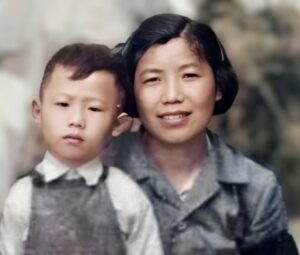
(Mom and me,1965)
She died of stomach cancer at 49. Those were the darkest days of my life — days I still cannot bear to look back upon. Mom had been overworked her entire life, which may well have contributed to her illness. By the time it was discovered, the cancer had already reached its late stage. She held on for three months, and then she was gone. Mother toiled all her life. After Grandmother passed away, the care of three children and all the housework fell on her shoulders alone. At work, the pressure was no lighter — as head of obstetrics and gynecology at the county hospital, she threw herself into consultations, surgeries, and family-planning campaigns until she was utterly spent. Just before she died, she passed the examination to earn the title of Attending Physician — among her medical-school classmates, she was one of the first to attain that intermediate rank.
Parents should never have to leave their children too soon. Even though I was already 24 when she passed, I simply could not accept this brutal reality. I was in graduate school in Beijing at the time; I wept in secret for an entire year. Parents are a child's sky. As a boy, I dreaded talking about death and it felt impossibly distant. Mother's passing taught me in a single instant how fragile life truly is. The day I learned of her cancer diagnosis was the darkest day of all: desperate, helpless — as if heaven and earth had changed color.
Mom was born in the fourth lunar month of 1935, into a farming family in a village about three kilometers from the historic town of Sanhe in Anhui — a remote spot at the junction of Shucheng, Feixi, and Lujiang counties. I remember visiting her hometown twice as a child with my parents, and what an ordeal it was. It felt like crossing a thousand mountains and rivers: by bus, across the Yangtze by ferry, by train, then a small steamer across Chao Lake to Sanhe, and finally another six li on foot to the village. That last stretch of walking felt as if the road would never end. Mom once told me that she walked that very road every day going back and forth to secondary school.
In winter, crossing Chao Lake on the steamer — there was no heating at all, no shelter, just hours adrift in the open. The wind howled through the lake passage; the cold bit into your bones. To this day, thinking of it makes me shiver. Winters back then were brutally cold, regularly dropping to minus seven or eight degrees Celsius; with the wind chill, it felt like minus twenty or thirty.
But once we reached the old home for the New Year, everything came alive. Uncles and aunts laid out a full welcome, with every kind of delicacy: salt-cured pork, salt-cured duck, pig tongue, pig ears. I remember one morning when there were five-spice tea eggs — so fragrant that after eating one I simply could not stop. I polished off eight in one go. I must have been only seven or eight. I ate myself sick, and for two whole days I could not touch food; the very sight of it made me retch.
My maternal grandparents had ten children — six boys and four girls. Mom was the seventh child, but the eldest daughter. Though they lived deep in the countryside, Grandfather and Grandmother were remarkably open-minded: all the boys stayed home to farm or run small businesses, yet they sent every single girl to school — no small feat in that era.
Grandmother was a woman of the old school, a master of household management and farming, who ran the family with a steady hand. Life was harmonious and thriving. Grandfather, a man of modest education and a merchant in Sanhe, came home on weekends to direct the farm work. They were the archetype of a hardworking peasant family maintaining a frugal, modest comfort. Through careful planning and tight saving, Grandfather purchased a plot of land just before Liberation (1949). The whole family labored from sunrise to sunset in the fields, dreaming of a modestly prosperous life. Two years later, the land reform labeled them "landlords," and the entire family lived under that shadow for over thirty years, enduring widespread social discrimination.
As a child, Mom attended a village private school for a few years, taught by an elderly distant cousin in the Confucian classical tradition. In 1950, she gained admission to Sanhe Secondary School. She walked to school and back every day with her cousin, covering fourteen li round-trip through wind, rain, frost, and snow — leaving before dawn, returning after dark. Lunch was dry rations she carried. Life was one of poverty and deprivation. Fortunately, Grandmother could make and mend shoes, and there was just enough food at home to stave off hunger — every other desire was surrendered.
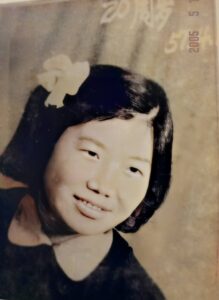
(Mom was 20 years old)
She had to drop out for a year due to poverty, struggling all the way, but in 1954 she finally graduated. That year, catastrophic flooding struck her hometown, turning it into a vast sea. It was Fifth Uncle who poled a small wooden boat to send Mom (his sister) to the provincial capital to sit for exams and attend school. She enrolled in Hefei Medical School — a specialized secondary program (only seven from her school were admitted, and Mom was the only girl). It was the pivotal step of her life: food and lodging, all free of charge. In September 1957, upon graduation, she was assigned to Nanling County Hospital — the first physician ever appointed there directly from medical school. At last, Mom had walked out of that remote village to become a state cadre with her own income, meager as it was; she could finally support her own parents.
Mom bore three of us, each two years apart. According to Father, when she was six months pregnant with my elder brother, she and Father were dispatched by the hospital on a mobile medical tour through the countryside. She waddled along the ridges between rice paddies, her belly heavy, treating peasants for every ailment. The grueling work, brutal conditions, and poor nutrition caused her to go into labor prematurely — my brother was born on those very fields, nearly three months early. They say when he was born, his eyes were shut tight and he made no cry at all. Were it not for the medical team being right there, he could never have survived under those conditions.
By the time Mom had me, the "Three Years of Hardship" had begun — famine everywhere, corpses on the roadsides. Grandfather, Grandmother, and an aunt all starved to death in the old home villages during that time. (Eldest Uncle also fled the famine-stricken village and vanished without a trace.) Mom was desperately weak after giving birth. The hospital leadership, taking pity, specially approved "half a pig" for the new mother — that half pig, dripping brine, weighed just over two jin.
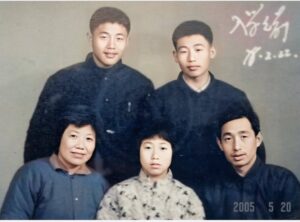
(Family portrait,1978)
In her career, Mom was a force of nature. She performed every kind of obstetric and gynecological surgery with mastery. She was the first in the entire prefecture to pioneer extraperitoneal cesarean section. She could complete a tubal ligation in an average of ten minutes. On family-planning campaigns to rural villages, she routinely performed seventy to eighty ligations a day, without a single error. She visited every production brigade in the county, relieving countless women of the pain of disease. Her extraordinary medical skill drew a constant stream of patients. Later, as head of both clinical and administrative operations in OB/GYN, she displayed remarkable leadership. Her warmth, competence, and tireless dedication earned her the deep respect of her colleagues and widespread prestige. In 1974, she was one of only three in the entire county promoted to the rank of Physician (one of the other two was my father). In 1981, she was one of only seven in the county promoted to Attending Physician (again, Father was another — all technical title evaluations in China had been suspended before then). Three days before her death, Mom and her department were simultaneously awarded Provincial Advanced Individual and Advanced Collective honors for family-planning work.
Mom was plagued by illness her entire life — gallstones and filariasis flared up constantly, tormenting her. She underwent two operations for gallstones alone. In October 1983, she began experiencing heartburn and vomiting, but she assumed it was just another gallstone episode. With the year-end family-planning drive in full swing, there was no time for a checkup; she simply gritted her teeth through the pain and worked around the clock. The relentless pace finally broke her on January 4, 1984. After completing an emergency surgery to stop a rural woman's postpartum hemorrhage, Mom collapsed beside the operating table — the pain so severe she could no longer stand.
She went down and could never rise again. Tests revealed late-stage stomach cancer. After she was bedridden, we found a slip of paper in the pocket of her coat, on which she had recorded her workload during those agonizing months. Reading it, we could not hold back our tears. Suffering from a fatal disease, enduring searing pain, Mom had completed a volume of work that would stagger any healthy person. The slip recorded the following:
January to November 1983, inpatient OB/GYN caseload — Hospitalizations: 1,829. Deliveries: 692. Difficult deliveries: 243. Home visits: 38. Emergency rescues: 108. Deaths: 7. Abortions: 799. Late-term abortions: 1,164. Tubal ligations: 466. IUD insertions: 144. IUD removals: 140. (The above excludes ligations performed on trips to communes. The department had only three doctors at the time.)
On March 29, Mom's condition suddenly worsened, and she went into shock. Father sent an urgent telegram to me in Beijing — I had just returned from home — telling me to come back immediately. I caught an express train and arrived home on the afternoon of the 31st. After 48 hours in a coma, when Mom saw me, her eyes miraculously opened, and her pupils began to follow my movements. During that time, her blood pressure and urination even returned to normal. At 9:30 that evening, Mom finally stopped breathing. She had left us forever — left the home she loved, left the work she cherished.
Later, people said that Mom had held on for two extra days just to see me one last time. In truth, on March 29, she already sensed the end was near. She refused to sleep, saying over and over to the family: "I must not sleep. I must not sleep. Once I sleep, I won't wake up again. I won't see you again."
Those words proved prophetic. She had saved countless women from the brink of death, but she could not save herself.
Following her dying wish, we buried Mom beside her mother our Grandma. Mom never had a single day of ease — her entire life was poverty, overwork, and a battle against illness. She struggled so hard to raise us children, and when at last we were grown, she could no longer receive our filial devotion.
Mom suffered too much. She worked herself to death.
At her memorial service, the three of us children wrote this elegy for our mother:
Busy at work, busy at home — busy for thirty years. Hardship for Husband, hardship for children — hardship for a lifetime.
This was the true portrait of Mom's life.
Thirty years forward, a visit to the old home in 2005. The Nanling hospital compound was the place where Mom and Dad raised us, toiling day and night. The old neighbors were still there; the ginkgo tree by our door was still in full leaf. The old house we had lived in, through thirty years of wind and rain, still stood. How much heart and soul Mom poured into that home. I remember, when she was gravely ill in the hospital, she told me she didn't want to stay in the ward — she wanted to go home. That wish could never be fulfilled in her lifetime. Only on the day of her funeral did we escort Mom's urn to pause one last time at the old home, to comfort her spirit in heaven. The back room of the old house was my brother's and my childhood den — on winter mornings, Mom would come early to light a charcoal brazier and warm our clothes before we got up. The old well in the yard bore witness to Mom hauling water day after day; the little bridge recorded her toil washing clothes. Wandering through the old places, searching for Mom's footprints and our childhood memories, I found myself speechless, choked with tears.
Forever remembering my dear mother.
朝华午拾 · 第七章:永远怀念亲爱的妈妈
妈妈的中年早逝是我心头永远的痛。2005年母亲节,我为妈妈建立"网上纪念堂",寄托日久弥深的哀思。
妈妈49岁患胃癌去世。这是我一辈子最伤心、不敢回首的日子。妈妈常年劳累过度,可能是诱发她癌症原因之一。发现时已经晚期,维持了三个月就不行了。妈妈一辈子操劳,外婆去世后,三个孩子,全部家务,都落在妈妈身上。工作上压力也不轻,担任县医院妇产科主任,出诊、手术、计划生育,把自己往死里累。去世前,还通过考试,获得主治医师职称,在她的医校同学中,是第一批获得中级职称的。
父母对于儿女,实在不能早走。尽管当年已经24岁了,还是不能接受这一残酷现实。我那时在北京上研究生,暗自哭了整整一年。父母是孩子的天。小时候很怕谈死,也觉得死亡很遥远。妈妈去世,一下子感受到生命的脆弱。听到妈妈癌症确诊消息的那一天,是最黑暗的一天:绝望无助,天地变色。
妈妈于一九三五年阴历四月出生于一个农民家庭,故乡离安徽著名古镇三河约三公里,是舒城、肥西、庐江三县交界处,较为偏僻。我小时候跟父母去三河老家探亲两次,可难哪。千山万水似的,乘汽车,过长江轮渡,转火车,再乘小轮穿过巢湖到三河镇,然后还要步行六里路到村子里。最后那步行,觉得路永远没有尽头。妈妈跟我说,她当年上中学就每天走这条路来回。
冬天在巢湖上坐小轮,完全没有取暖设施,无遮无挡地行驶大半天。湖面过堂风大,天寒地冻,那个冷冻彻骨,现在想起还打寒颤。那个年头冬天奇冷,经常零下7-8度,加上冷风,感觉零下几十度似的。
不过,到了老家过年就热闹了,舅舅姨姨全力款待,有各种美味:咸肉,咸鸭,猪舌条,猪耳朵。记得有一天早上有五香蛋,那个香,吃了还想吃,结果不能节制,一口气吃了8个。才7-8岁吧,真撑坏了。整整两天什么也不能吃,见食品就要吐。
外公外婆共有十个孩子,六男四女,母亲是老七,但是女孩中老大。外公外婆虽在偏僻农村生活,但思想开明,几个男孩都在家种田或做小生意,却把女孩全部送到学堂读书,在当时社会环境下,是十分不易的。
外婆是旧式家庭妇女,善于操持家务,熟悉农计,统率全家,安排日常生活,家庭和睦兴旺。外公为略具文化的士绅,在三河经商,周末回家支派农活,维持一个低水准的小康之家,是艰苦创业的农家典型。靠精打细算省吃俭用,外公在解放前夕买了一批土地。全家日出而作日落而息在田里耕种,梦想着过上小康生活。结果两年后办了个地主的成分,让整个家族成员三十多年生活在阴影中,倍受社会歧视。
妈妈小时候在本村上了几年私塾。私塾先生是位年长远房堂兄,以古文为主,是孔孟教学典型。1950年,妈妈考取了三河中学,与堂兄结伴走读上学,七里地远,风雨霜雪,早出晚归。经常是天亮前出发,天黑后回家,中午吃餐自带的干粮,过着衣食不全的困苦生活。好在外婆可以做鞋补纳,回家勉强充饥,其他一切奢求都舍去。中间贫困辍学一年,跌跌爬爬,终于,1954年毕业,家乡厄遇水灾,一片汪洋。是五舅撑着小木船,直送妹妹去省城考学和上学,省城合肥医校中专(妈妈所念的中校仅七人考出去,妈妈是唯一女生),迈出人生关键的一步。有吃有住,全部免费,捱至1957年9月,毕业分配到南陵县医院,妈妈是南陵县医院第一个由医校毕业分配来的医生。母亲终于从偏远的农村走出成为国家干部,有了自己的收入,虽然微薄但却能承担外公外婆的赡养。
妈妈共生我们兄妹三人,每个相隔两年。据老爸说,妈妈怀我哥六个月的时侯,和爸爸一起被单位派到乡镇农村巡回医疗,挺着大肚子在田埂上奔来奔去,为农民看病治病。由于过度劳累,条件太差和缺乏营养,母亲早产了。我哥提前近三个月,出生在田间。据说生下时,两眼紧闭,也不啼哭,如果不是在医疗队里,在那种条件下我哥是很难活过来的。到妈妈生我时,正逢"三年困难时期",粮食匮乏,饿殍遍野。爷爷外公姑姑三人都是那个时候在老家活活饿死的(大舅也从农村老家逃荒走失,人间蒸发)。妈妈极度虚弱,领导开恩特批了"半头猪"给产妇,而那滴着盐水的半头猪总重二斤多。
在事业上,妈妈是个强者。她熟练地进行妇产科各项手术。妈妈率先在全地区首创腹膜外剖腹产术。妈妈替人结扎平均每例十分钟,去农村突击计划生育的时候,常常一天结扎七八十例,无一差错。母亲走遍了全县每个大队,为众多女性解除了疾病的痛苦。妈妈高超的医术使得求医者络绎不绝。妈妈后来担任妇产科业务和行政的领导,显示出很高的管理能力。妈妈的热情、干练和刻苦赢得了同事的尊敬,获得很高威望。七四年妈妈是全县首批晋升医师三人中的一个(三人中另一人是我老爸)。八一年妈妈又是全县首批晋升主治医师七人中的一个(七人中另一人也是我父亲,此前中国中断了所有技术职称评定工作)。临终前三天,妈妈与她科室同时获得省计划生育个人和集体先进的嘉奖。
妈妈疾病缠身,胆石症和丝虫病常常发作,折磨一生。仅胆石症就动过两次手术。八三年十月妈妈出现心口痛和呕吐,妈妈以为又是胆石病复发。因为年终计划生育突击工作繁忙,没有时间去检查,就忍着病痛,日以继夜。高强度工作终于使她在八四年元月四日病倒。在坚持完成一个农村妇女产后大出血急症手术后,母亲倒在手术台旁,剧烈疼痛让她无法站立。
妈妈倒下了,再也无法起床。经过检查,妈妈已到胃癌晚期。在她病倒后,我们从她外套口袋里找到一张纸条,上边记载看妈妈病痛这段时间的工作情况,看后不禁泪下。母亲拖着病身,忍着剧痛,完成了常人难以想像的工作。纸条记载如下:八三年一月至十一月妇产科住院部工作:住院1829人,生产692人,难产243人,出诊38次,抢救108次,死亡7人,人流799人,大月份人流1164人,结扎466人,上环144人,取环140人(以上不含到各公社计划生育结扎人数,妇产科当时仅有三个医生)。
妈妈三月二十九日病情加重,突然休克。爸爸急电刚刚返京的我速回,我乘特快三十一日下午回家。妈妈在昏迷四十八小时后,见到我时,眼睛奇迹地睁开了,眼珠也能随着我身影而转动,其间血压,泌尿均恢复正常。晚上九时三十分,妈妈终于停止了呼吸,永远离开了我们,离开了她留恋的这个家,离开了她热爱的工作。
后来有人说,妈妈为了等见上我一面,才多坚持了两天。其实在三月二十九日,妈妈己感觉不好,她坚持不睡觉,反复对家人说:"我不能睡,我不能睡,一睡就不会再醒来了,就再也见不到你们了。"
这话果然验证了。她挽救过无数频临死亡的妇女,却不能挽救她自己。
根据妈妈生前遗愿,我们将妈妈安葬在外祖母身旁。妈妈为了我们,没有一天享受过,一生过着清贫劳累和与疾病作斗争的生活。好不容易把孩子拉扯大,她却再也享受不到我们的孝心。
妈妈太苦了,她是累死的。
我们子女三人在母亲追悼会上,为母亲写下了这段挽联:
在班上忙,在班下忙,忙了三十年 为爸爸苦,为子女苦,苦了一辈子
这是妈妈一生真实的写照。
时光倒流三十年,2005老家之行。南陵医院老家是妈妈爸爸辛苦养育我们长大的地方。老邻居仍在,家门口的白果树也依旧枝叶茂盛。我家当年居住的那间老屋,历经三十年风雨,伫立依旧。妈妈当年为这个家付出多少心血。还记得妈妈病重住院时跟我说,不想住病房,想早日回家,可这个愿望妈妈生前无法实现。直到送葬那天,我们才护送妈妈的骨灰盒最后一次在老家停留,安慰妈妈在天之灵。老家的后屋是我们兄弟当年的窝,妈妈冬天清早会过来生一盆火,把衣服烘热,好让我们起床。老家的老井记录了妈妈担水的操劳,老家的小桥刻印着妈妈洗衣的辛苦。重游旧地,寻找妈妈的足迹和我们儿时的记忆,竟无语凝噎。
永远怀念亲爱的妈妈!
记于2005年五月八日
From 朝华午拾 (Morning Glory at Noon). Original Chinese: 永远怀念亲爱的妈妈.
